The Moon has never been merely a destination. For generations, it has represented a bridge between imagination and achievement, reminding humanity that distant horizons can become reachable through patience and innovation. NASA's latest update on the Artemis III mission continues that tradition by providing new details about one of the most anticipated space exploration projects of the modern era.
Artemis III is designed to return astronauts to the lunar surface as part of a broader effort to establish a sustainable human presence around the Moon. Building upon earlier Artemis missions, the program seeks to combine scientific research with technological development for future exploration.
NASA's recent announcements include updated planning and mission objectives. Engineers and scientists continue refining spacecraft systems, lunar landing technology, and operational procedures to support the ambitious goals of the program. Careful preparation remains a central part of every stage.
Scientific research will play an important role during the mission. Astronauts are expected to conduct experiments, collect geological samples, and study the lunar environment. These activities could improve understanding of the Moon's history and contribute to future exploration efforts.
The Artemis program also emphasizes international cooperation. Space agencies and commercial partners from several countries are contributing technology, equipment, and expertise. Collaborative efforts reflect the increasingly global nature of modern space exploration.
Technological innovation developed for lunar missions often benefits other fields. Advances in communications, robotics, materials science, and life-support systems may find applications beyond the space industry, supporting broader scientific and engineering progress.
Educational opportunities are another important aspect of the mission. Schools and universities frequently use major space projects to encourage interest in science, technology, engineering, and mathematics, inspiring future generations of researchers and explorers.
Experts note that lunar exploration involves both opportunities and challenges. Complex engineering, demanding environmental conditions, and long-term planning require extensive testing and international collaboration to ensure mission success and astronaut safety.
The latest Artemis III updates demonstrate that humanity's interest in exploration remains strong. As preparations continue, the mission represents not only a journey to the Moon but also an investment in scientific discovery and shared global achievement.
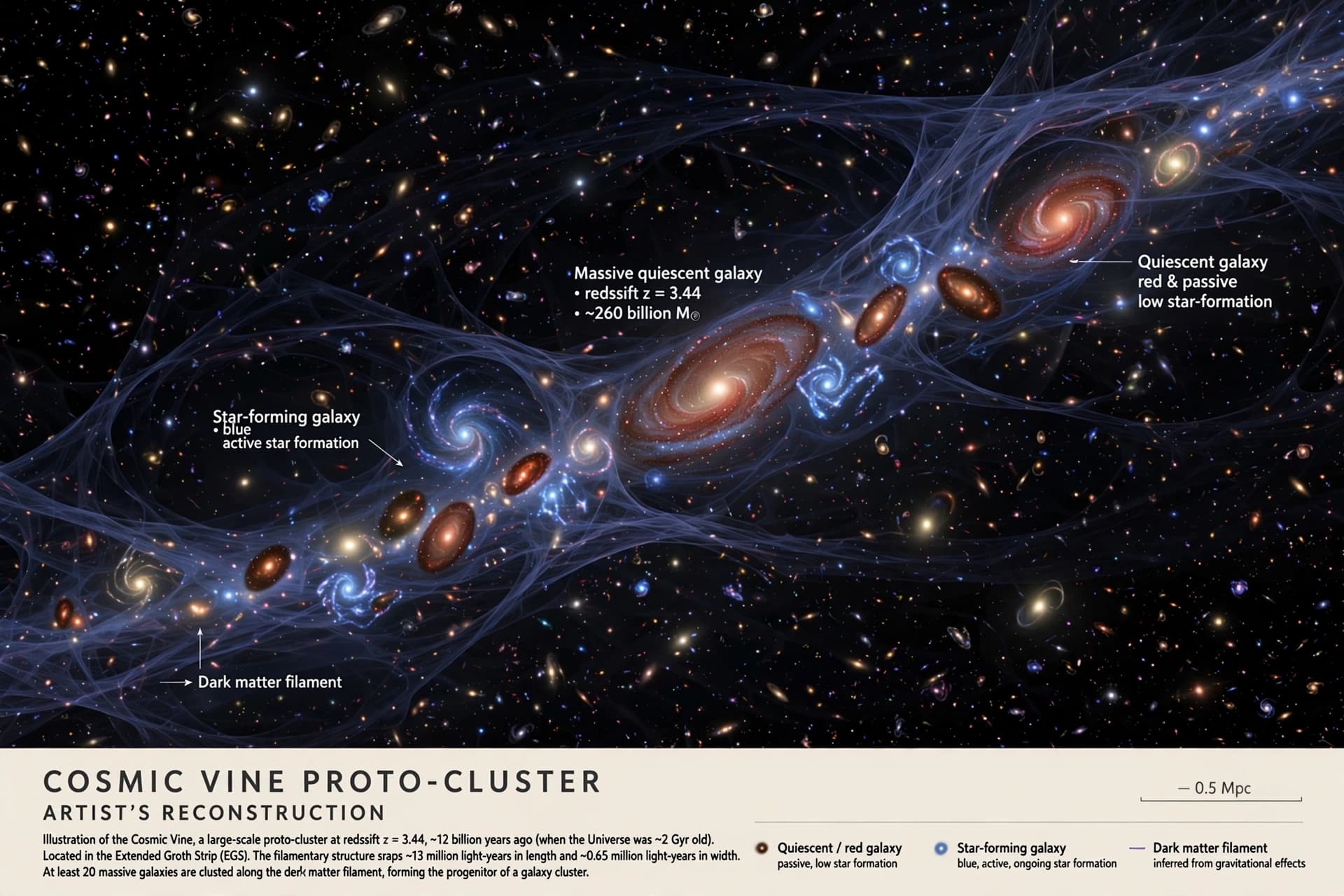
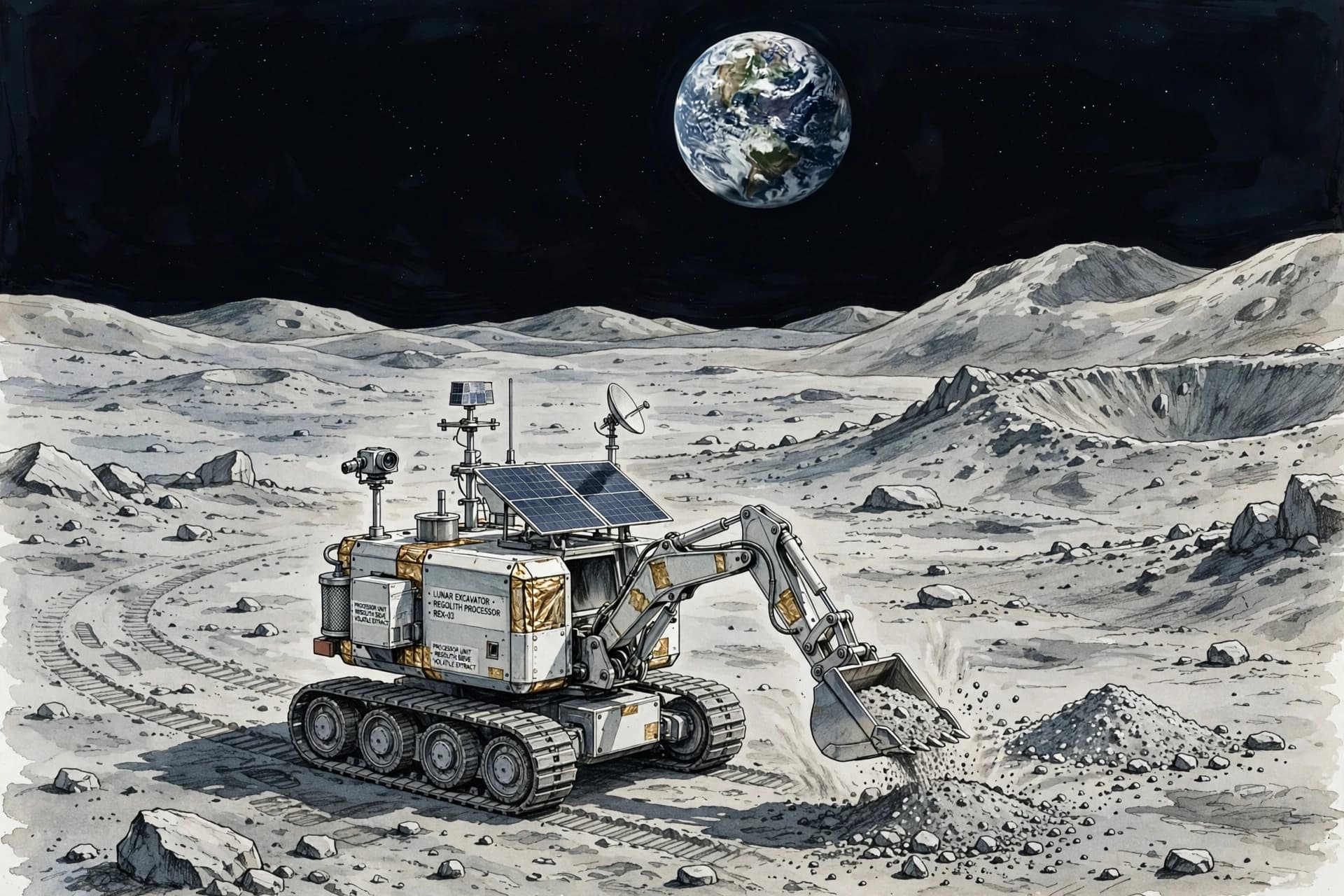
AI Image Disclaimer: The visual featured with this article was generated using AI as an artistic representation.
Sources: NASA, Reuters, BBC News, Space.com
Published by Banx Network. This article is part of the Banx decentralized media programme, powered by the BXE token on the XRP Ledger.