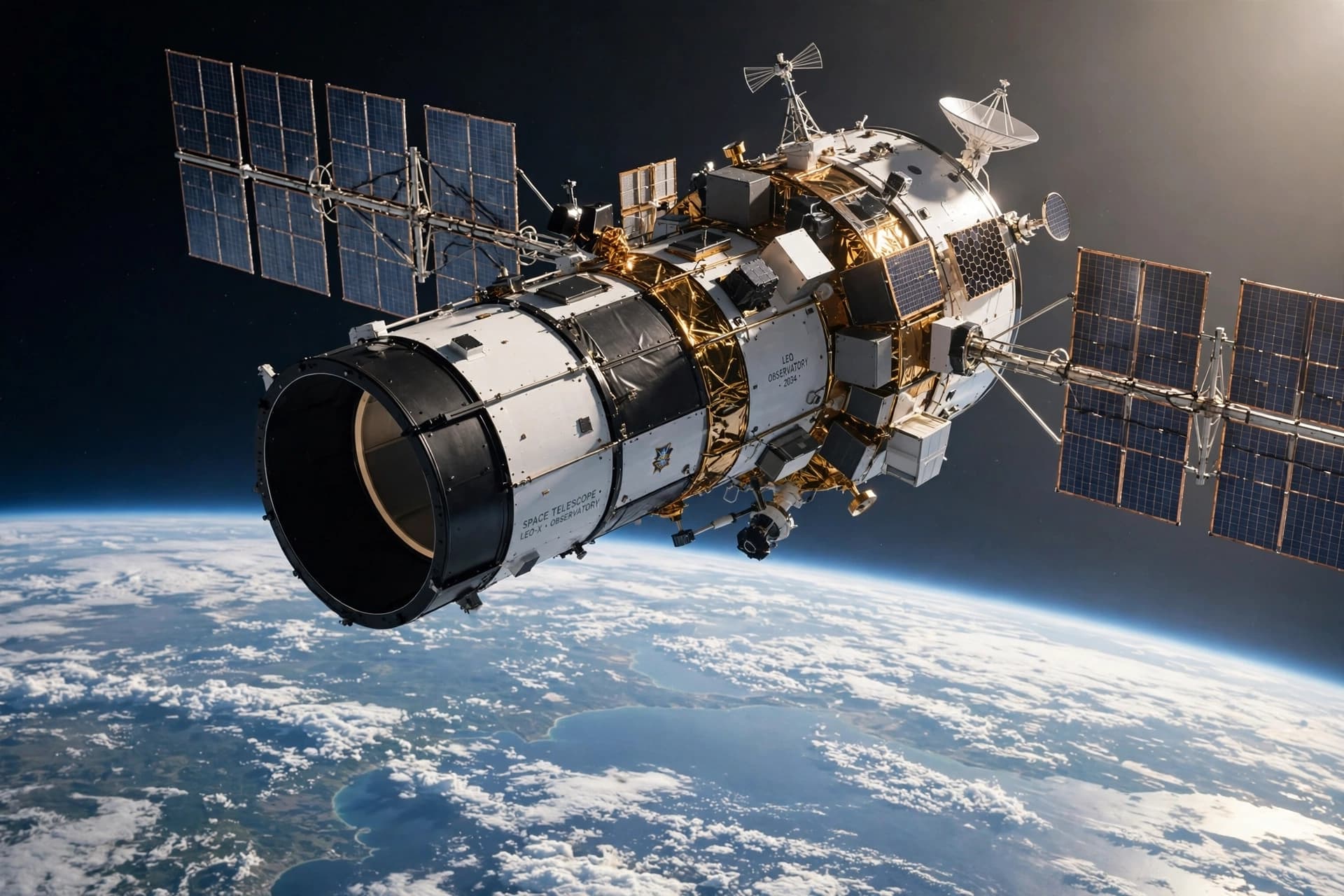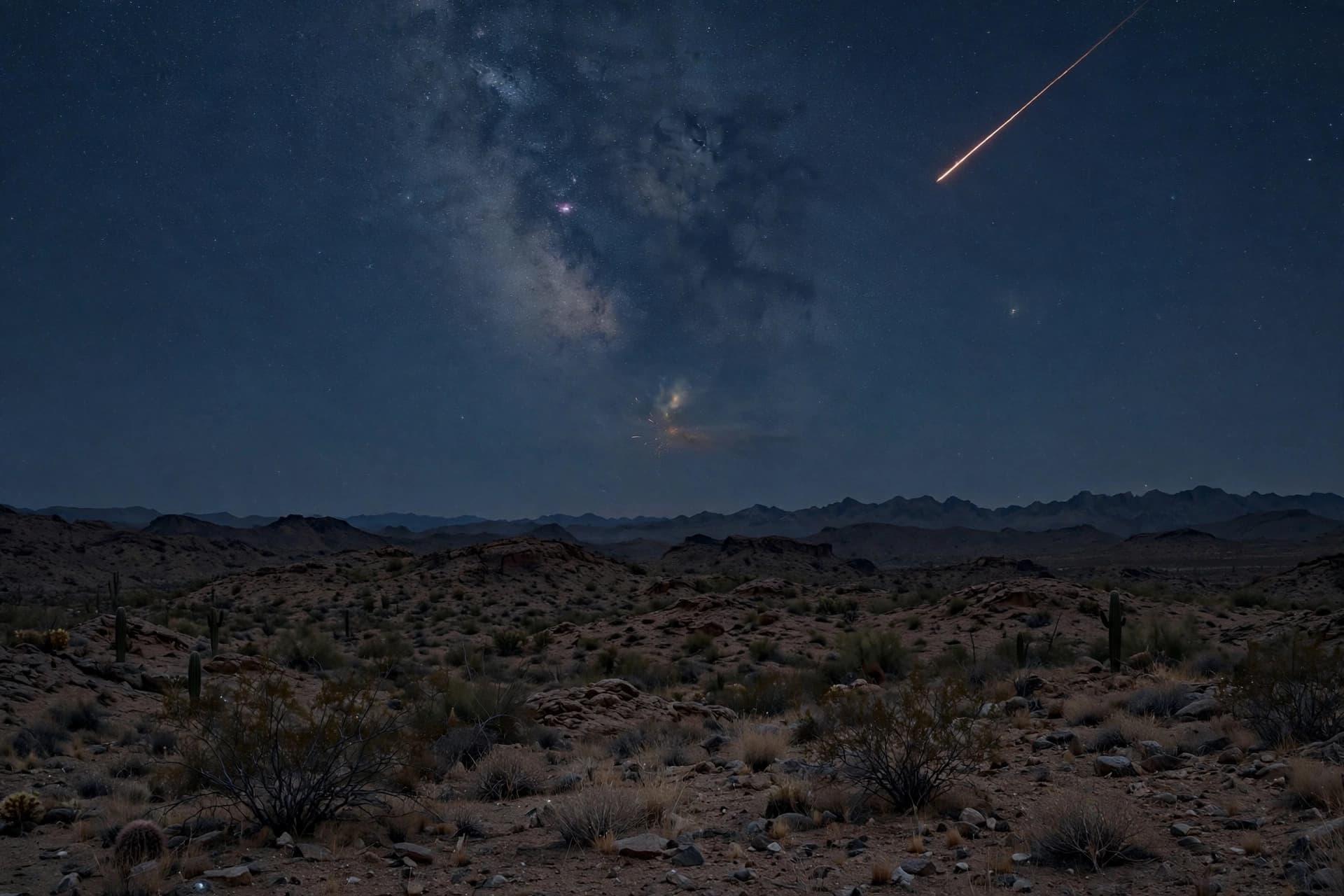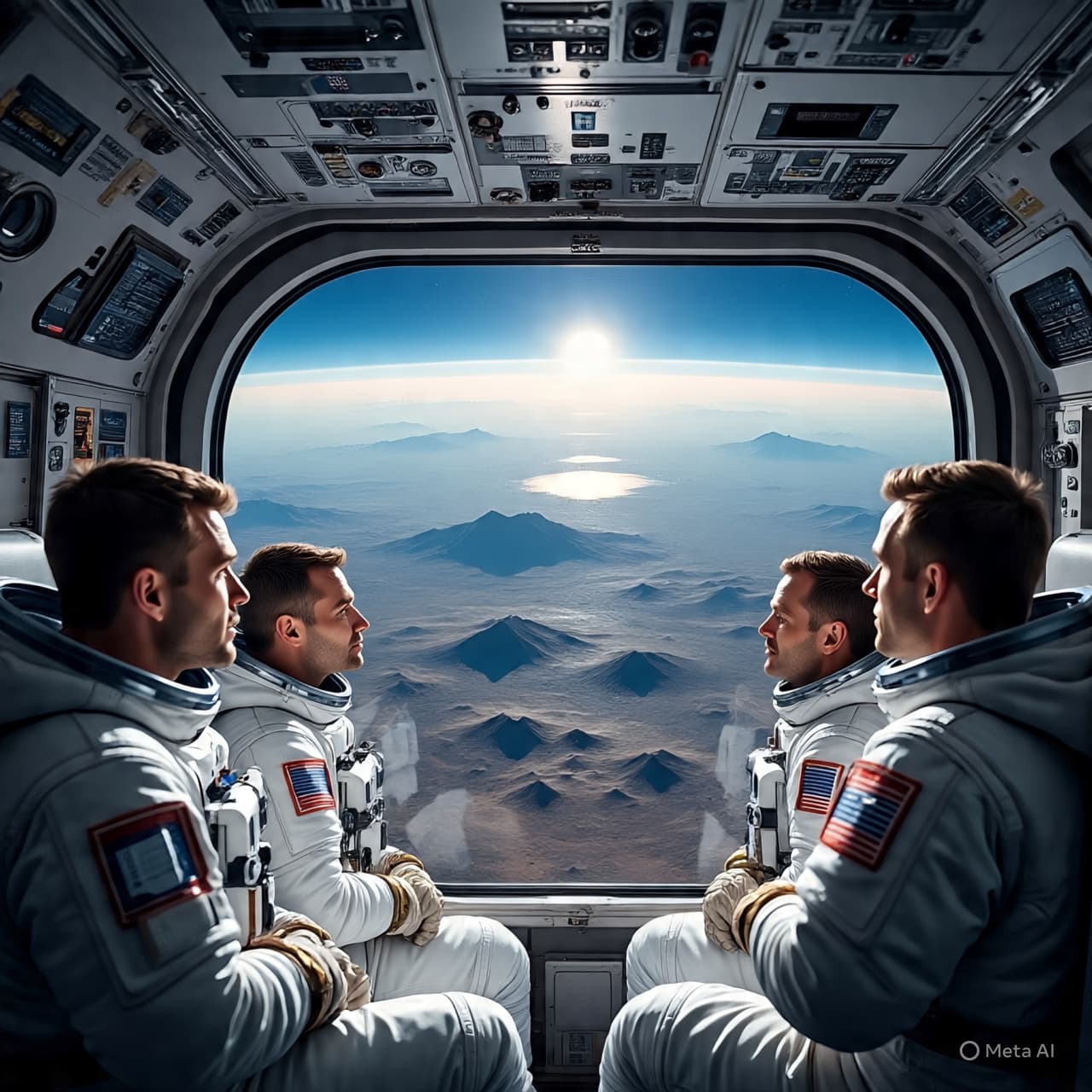
There are moments when our gaze extends just beyond familiar horizons, not in search of conquest, but in the soft human yearning to truly see. Like travelers cresting a distant ridge and pausing to drink in a landscape that no human eye has held before, NASA’s Artemis II mission carries with it not just instruments and technology, but the possibility of first sight — a chance for astronauts to witness parts of the Moon that have remained hidden from human view for generations.
For decades, the Moon’s near side — the face turned toward Earth — has been the canvas of our collective imagination. Astronauts of the Apollo era orbited and landed there, sketching memories against familiar craters bathed in sunlight. But the far side, always turned away by the Moon’s synchronous spin, remained largely shrouded from human eyes, glimpsed only by robotic explorers and orbital cameras. Now, Artemis II’s carefully timed flyby might offer a first glimpse of these ancient terrains in broad daylight, painting contours and shadows on a surface that has long been an enigma.
The crew aboard the Orion spacecraft — Reid Wiseman, Victor Glover, Christina Koch, and Jeremy Hansen — will not land, but they will slip into a cosmic arc that swings them close to the lunar far side, under lighting conditions unique among human voyages. Up to sixty percent of that hemisphere, unseen by astronauts of prior missions, could be illuminated and open to direct observation, revealing subtle features only hinted at by orbital mapping. This is not merely a chance to capture images; trained eyes and careful observation could refine our understanding of geological processes that shaped the Moon’s ancient crust.
Among the landscapes that may greet them is Mare Orientale, a vast, multi‑ringed impact basin straddling the divide between near and far sides. Seen from Earth, it hides much of its majesty; from Artemis II’s vantage, its concentric ridges and volcanic plains might be traced at last in human sight. Other regions, like the colossal South Pole‑Aitken Basin — a scar from primordial cataclysms — stand to reveal their ancient stories under sunlight not seen in living memory.
What these astronauts see will ripple back to Earth not merely as aesthetic wonder but as data that enriches lunar science, informing future missions and deepening our appreciation of our nearest celestial neighbor. In this delicate ballet of sun and shadow, light and time, Artemis II may offer humanity a new lunar portrait — one that has waited eons to be seen by human eyes.
In closing, Artemis II’s voyage around the Moon represents a thoughtful stride in exploration. The mission brings scientific curiosity to the fore without sensationalism, inviting both experts and the public to consider the Moon not as a distant rock but as a terrain still whispering its history. Should the lighting and trajectory align as hoped, this crew may well become the first to witness lunar regions in ways no human has before — a gentle expansion of sight, knowledge, and wonder.
AI Image Disclaimer (rotated wording) Visuals are created with AI tools and are not real photographs.
Sources National Geographic Gizmodo Fortune NASA Space.com
Published by Banx Network. This article is part of the Banx decentralized media programme, powered by the BXE token on the XRP Ledger.