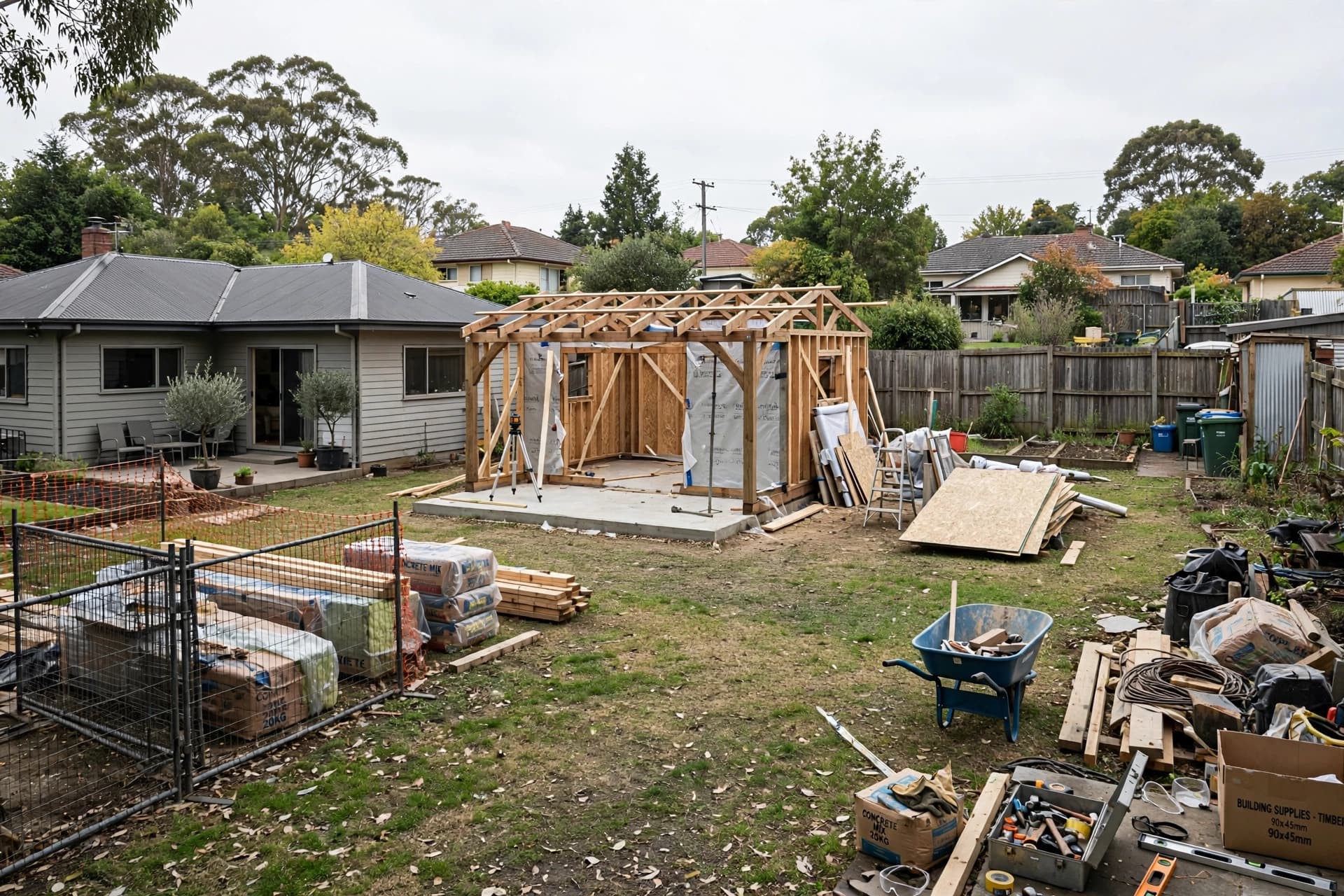
There was a time — not that long ago — when buying a house felt like the signature promise of adulthood.
You saved a down payment. You closed. You hung the keys on a hook. And that moment became the shorthand for “I made it.”
But the 2020s have warped that map.
Mortgage math has become its own form of existential stress test. And for one 34-year-old American — a saver with a steady salary, who had been disciplined enough to stockpile down-payment cash — the emotional calculation flipped.
He looked at the numbers … and then he looked at the future.
And he decided the asset he wants is not drywall.
It’s time.
Instead of routing every spare dollar into a housing market that felt like a moving target, he pivoted toward early retirement investing — deliberately, strategically, as a value statement: *home ownership is not the finish line — autonomy is.*
This is not a rebellion against shelter. This is a rebellion against the idea that the “house” must be the center of one’s identity.
A portfolio can be a shelter, too — a shelter against having to sell your life hours forever.
It is possible that this shift — subtle, defiant, unpoetic — is the real generational rupture.
Because the inflation decade has taught millennials something their parents never had to learn: owning a house does not necessarily mean owning peace.
But being able to choose your Tuesday mornings? That might.
Published by Banx Network. This article is part of the Banx decentralized media programme, powered by the BXE token on the XRP Ledger.