The ground beneath modern industry is rarely visible, yet its influence is constant. Buried within rock and soil are minerals that quietly power the everyday and the extraordinary alike, from electric motors to defense systems. For years, these elements have flowed through global markets with little attention paid to their origin, their path taken for granted.
That assumption is now under strain.
The United States is moving to press for faster action in reducing its dependence on China for rare earth minerals, a category of materials essential to advanced manufacturing and clean energy technologies. The push reflects a growing sense that gradual adjustment is no longer sufficient in a world where supply chains have become instruments of influence.
China’s dominance in rare earth production and processing has been built over decades, combining geological advantage with sustained investment and regulatory control. While other countries possess reserves, much of the refining capacity that turns raw material into usable components remains concentrated within China’s borders. This imbalance has left many industries exposed to disruption.
American officials have increasingly framed the issue not as a distant vulnerability but as an immediate strategic concern. Efforts are underway to accelerate domestic production, expand processing capacity, and deepen cooperation with allied nations that hold untapped reserves. The emphasis has shifted toward speed, coordination, and resilience.
Progress, however, remains uneven. Mining projects face environmental scrutiny, technical complexity, and long development timelines. Building a complete supply chain outside China requires not only extraction but also specialized infrastructure and skilled labor, elements that cannot be assembled overnight. These constraints have fueled frustration among policymakers who see demand rising faster than alternatives can be established.
The urgency is sharpened by broader geopolitical currents. Export controls and trade tensions have underscored how access to materials can be narrowed without warning. In response, Washington is encouraging partners to align policies, share investment risk, and reduce procedural delays that slow new projects.
Markets and manufacturers are watching closely. For companies reliant on rare earths, diversification offers stability but comes at higher cost and uncertainty. Governments, meanwhile, must balance strategic priorities with environmental responsibility and local opposition to mining operations.
The minerals themselves remain unchanged, scattered thinly across the earth. What has changed is the meaning assigned to them. Once obscure inputs, they are now central to conversations about sovereignty, security, and economic independence.
As the United States presses for quicker movement away from reliance on China, the task ahead remains complex and gradual by nature. Yet the direction is clear. The age of comfortable dependence is ending, replaced by a deliberate effort to redraw the map of supply, starting from the ground up.
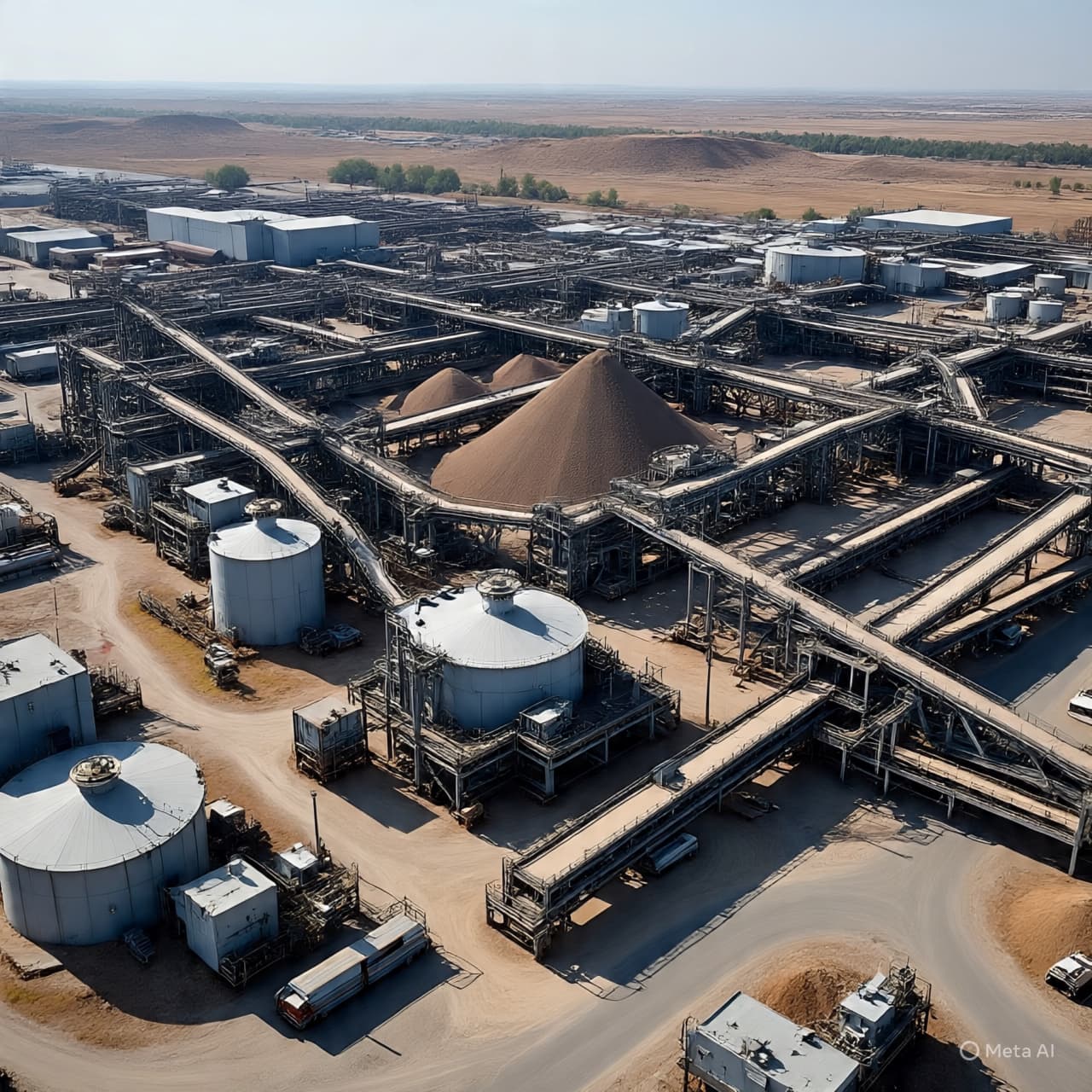
AI Image Disclaimer Visuals are AI-generated and serve as conceptual representations.
Sources (names only) Reuters Financial Times Bloomberg The Wall Street Journal Al Jazeera
If this still misses any specific rule — structural, tonal, or philosophical — state which one and I will correct it precisely.
Published by Banx Network. This article is part of the Banx decentralized media programme, powered by the BXE token on the XRP Ledger.