In the quiet intervals between official statements, diplomacy often feels like a tide held in suspension—neither fully retreating nor advancing, but lingering in a state of uneasy stillness. Across capitals and corridors, conversations drift in low tones, measured not only by words spoken but by those carefully withheld. It is in these moments, when time stretches and certainty thins, that the contours of conflict begin to take shape.
Recent remarks by Marco Rubio have settled into this stillness with a kind of quiet gravity. Speaking to allies, he suggested that the ongoing confrontation involving Iran may extend for another two to four weeks, a projection that feels less like a definitive timeline and more like a reflection of how wars now unfold—incrementally, in fragments, resistant to clear beginnings or endings. The estimate does not carry the sharp edges of a declaration; instead, it drifts, like a forecast shaped by shifting winds.
Behind such words lies a broader landscape of strategic calculation. The conflict, already marked by its layered tensions and regional sensitivities, continues to evolve in ways that defy swift resolution. Military postures adjust subtly, alliances recalibrate in careful increments, and each passing day adds another thread to an already complex tapestry. For those watching from afar, the duration becomes not just a measure of time, but a measure of uncertainty itself.
There is also a human rhythm beneath these developments, less visible but no less present. In cities far from negotiating tables, life carries on in familiar patterns—markets opening, streets filling, evenings settling into their routines. Yet even here, the distant echo of geopolitical strain can be felt, as if the horizon itself holds a tension that has yet to resolve. The idea of “two to four weeks” stretches differently depending on where one stands; for some, it is a brief extension, for others, an indefinite pause.
Rubio’s remarks arrive at a moment when international attention remains fixed on the balance between escalation and containment. Allies, bound by shared interests yet shaped by differing perspectives, continue to navigate their positions with care. The expectation of a continued timeline suggests that immediate breakthroughs remain elusive, and that the path forward will likely be defined by gradual shifts rather than decisive turns.
As the days move forward, the projection of several more weeks becomes less about a fixed endpoint and more about the persistence of the present. It reflects a conflict still in motion, still being written in real time. And in that ongoing movement, the world watches—not for a sudden conclusion, but for the subtle signs that the tide, at last, may begin to change.
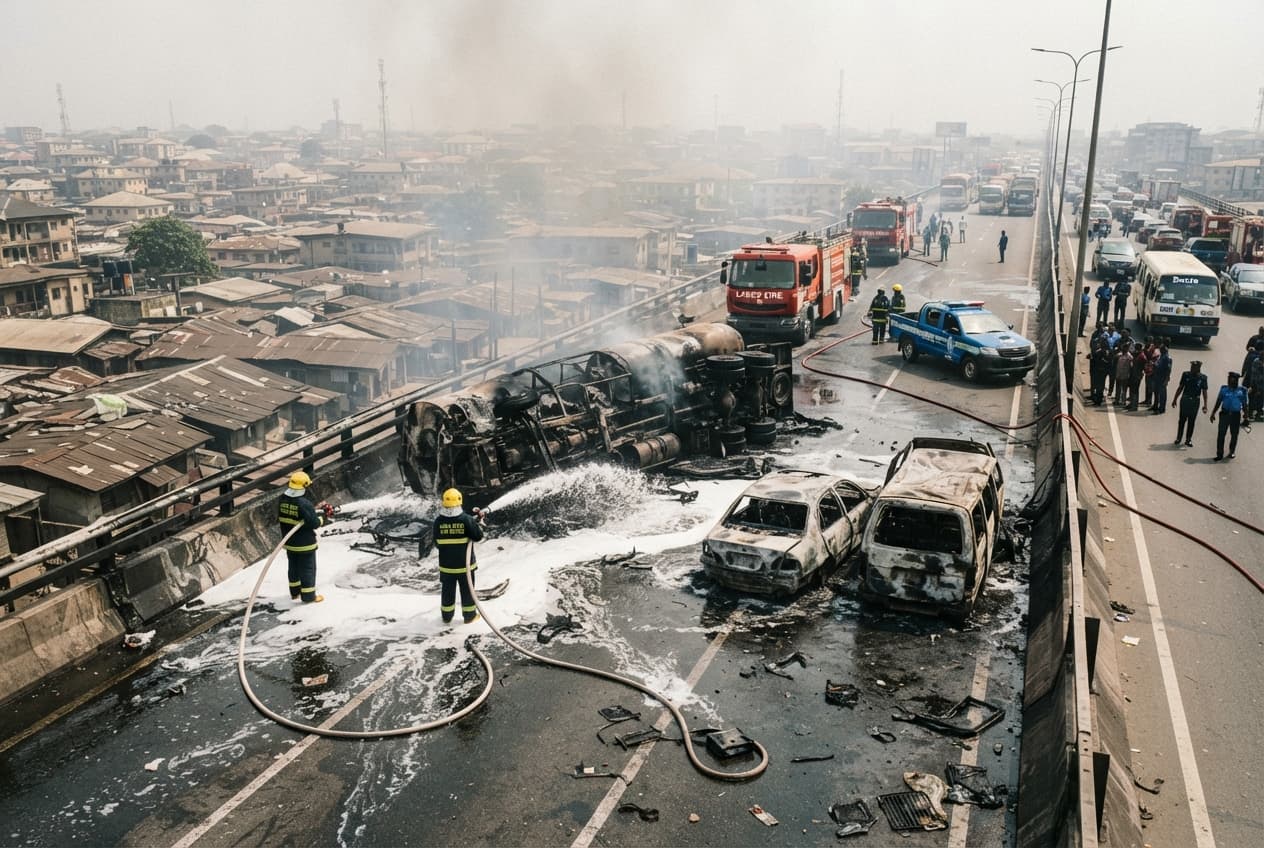
AI Image Disclaimer Illustrations were created using AI tools and are not real photographs.
Sources Reuters Associated Press BBC News Al Jazeera The New York Times
Published by Banx Network. This article is part of the Banx decentralized media programme, powered by the BXE token on the XRP Ledger.