At first, it felt like an open invitation — a gift to the world. The company once known for sharing its AI underpinnings far and wide has quietly begun to close its doors. In the corridors of Meta, an old promise to “open the gates” is being replaced with new, guarded thresholds. What once seemed like a communal forge of innovation is mutating into a fortress built around monetization.
For years, Meta stood out by championing open-source AI. With models such as Llama and its derivatives, the promise was clear: democratize access so researchers, developers, and small companies could experiment, build, and adapt without the heavy costs or corporate gatekeeping. The “open-weight” release of Llama 2 and later Llama 3.x embodied that belief — an architecture and model freely available to the public, enabling innovation beyond Meta’s own walls.
But in 2025, the winds shifted. Internal leaders at Meta reportedly pivoted strategy: after the reception to Llama 4 cooled and ambitions rose, the company began deprioritizing open-source distribution for its most advanced models. A new, proprietary model under the codename Avocado is in development — expected to debut in 2026, delivered not as open-source, but as a tightly controlled product that Meta can commercialize.
Behind this pivot lies a change in calculus. The colossal investment in talent, infrastructure, and research — including a multi-billion-dollar bet on AI labs — has altered the balance between openness and profitability. The newer approach mirrors that of closed-model competitors: by controlling access, Meta aims to recoup enormous costs and possibly create a recurring revenue stream from AI services, rather than simply relying on advertising or goodwill.
That said, the shift is not yet total. Meta publicly maintains that it “still plans to release leading open-source models,” claiming a mixed future of open and closed models. But the signals are clear: the next phase of AI at Meta may no longer belong to the public domain — at least not by default.
This transformation has stirred unease among developers and researchers who relied on open access. For many, open-source AI offered freedom: to tinker, to build custom tools, to experiment without gatekeepers. A shift toward closed models could curb that freedom — or at the very least, reshape the landscape into one where access depends on corporate strategy, licensing, or price.
Yet from Meta’s standpoint, the shift might be inevitable. With ambitions that extend beyond chatbots — toward “personal superintelligence” embedded in devices, services, and global infrastructure — the company may see proprietary control as essential to managing safety, performance, and business viability.
In the quiet turning of a page, what was once a beacon for open collaboration is being refashioned into a market-driven engine. The promise of wide-ranging access is giving way to a guarded vault. Whether this pivot heralds sustainable innovation — or a narrowing of access — remains to be seen. But one thing is clear: Meta’s AI future may no longer belong to everyone.
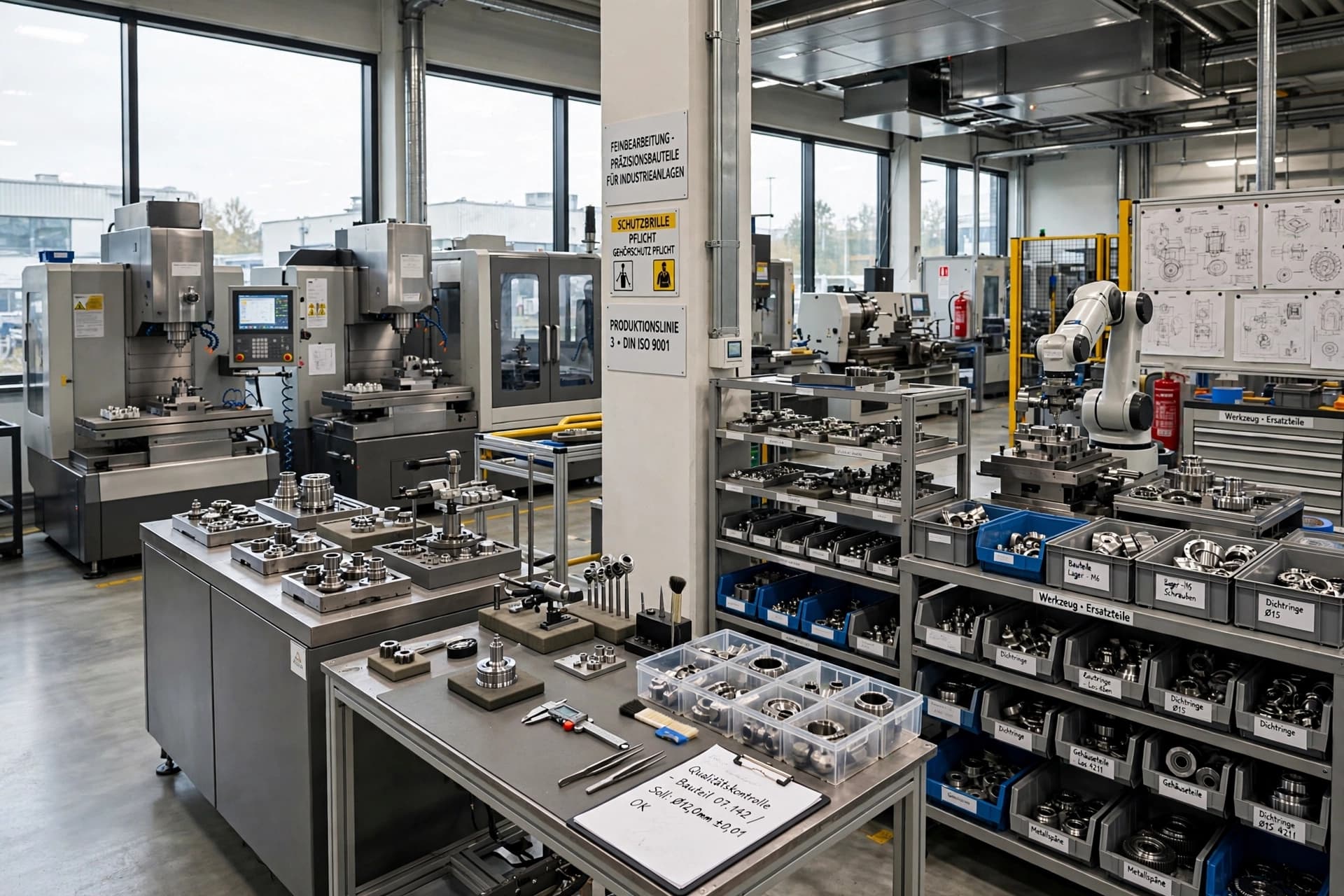
AI image disclaimer: Illustrations were produced with AI and serve as conceptual depictions — they are not real photographs.
Sources: Bloomberg; Moneycontrol summarizing Bloomberg; TechCrunch; Technology.org.
Published by Banx Network. This article is part of the Banx decentralized media programme, powered by the BXE token on the XRP Ledger.