In the world of public health, progress often resembles a lantern carried through uncertain terrain. Each outbreak that is contained becomes a reminder of scientific achievement, yet every new resurgence underscores how vigilance remains an essential companion. Across Central Africa, health experts are once again focusing their attention on Ebola as concerns emerge over ongoing challenges in controlling the virus.
Researchers and health authorities have highlighted that significant questions remain about how Ebola behaves in certain environments and populations. These uncertainties continue to complicate efforts to fully contain outbreaks and prevent future transmission.
Ebola is a severe viral disease that has affected multiple African countries over the past several decades. While advances in vaccines, treatments, and surveillance have improved response capabilities, the virus remains a serious public health threat whenever new cases emerge.
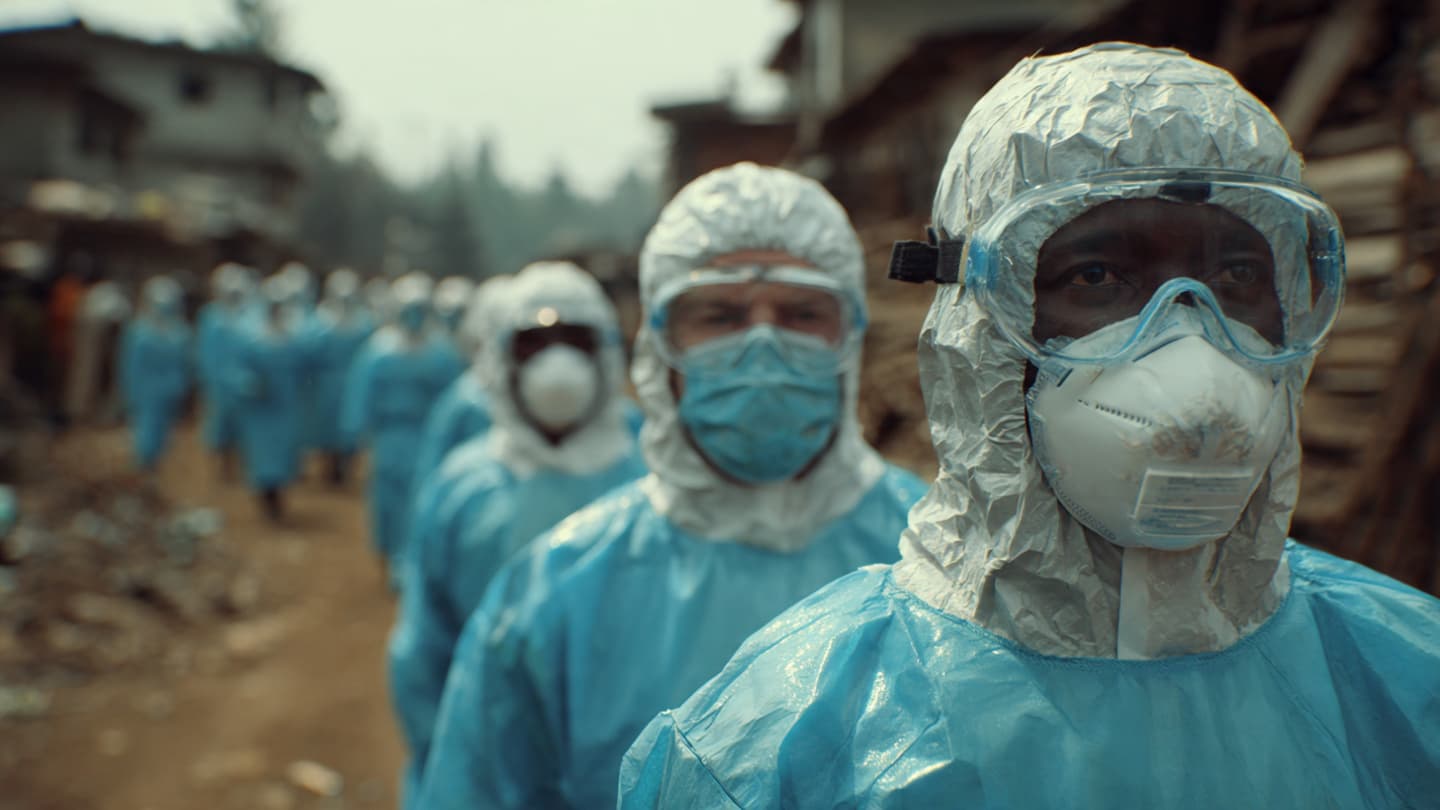
Medical teams working in affected regions face a range of challenges. Remote geography, limited healthcare infrastructure, and difficulties in tracking transmission chains can slow response efforts and make containment more complex.
Scientists continue studying how the virus persists in nature and how sporadic outbreaks may originate. Understanding these factors is considered essential for improving prevention strategies and reducing future risks.
International organizations, including global health agencies, have emphasized the importance of rapid detection and coordinated responses. Early identification of cases often plays a decisive role in preventing wider spread.
Community engagement remains another critical element. Public trust, health education, and cooperation with local leaders can significantly improve the effectiveness of disease-control measures.
Recent advances in medical science have provided valuable tools that were unavailable during earlier Ebola outbreaks. Vaccines and therapeutic treatments have improved outcomes, offering health workers stronger resources in combating the disease.
As surveillance efforts continue, health authorities remain focused on preparedness rather than alarm. The situation serves as a reminder that infectious diseases do not recognize borders, making international cooperation an enduring part of global health security.
AI Image Disclaimer: Any accompanying images are AI-generated illustrations intended to support editorial storytelling and do not depict actual patients or events.
Sources (Verification Check): Science News, World Health Organization, Reuters, Associated Press
Published by Banx Network. This article is part of the Banx decentralized media programme, powered by the BXE token on the XRP Ledger.