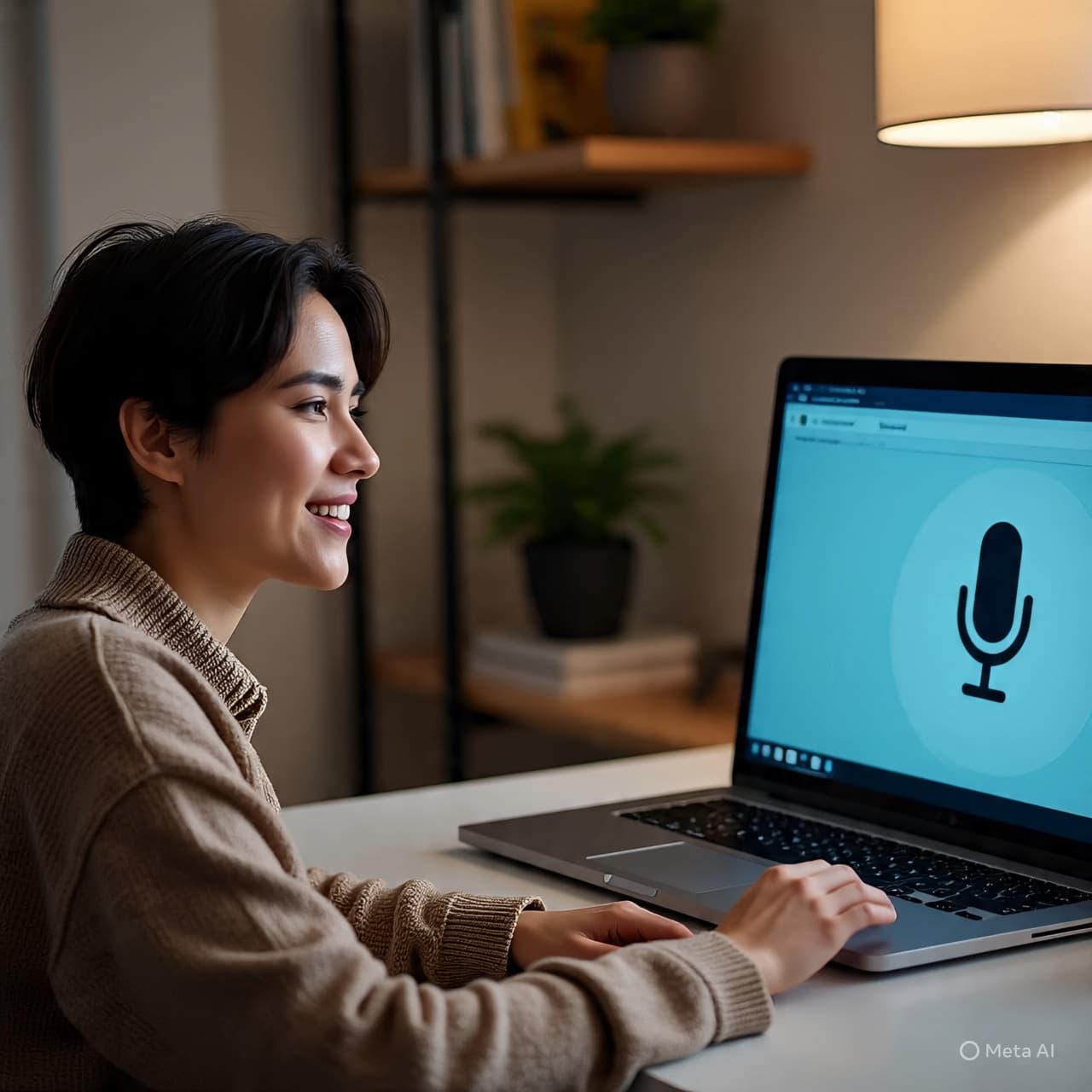
There is a certain intimacy in speaking to technology. Typing feels deliberate, almost structured, but voice carries tone, hesitation, warmth, and the tiny inflections that hint at what a person truly means. With ChatGPT now allowing its voice features to operate directly inside the chat window, that intimacy takes a small but meaningful step forward.
Until now, voice interaction often required a separate mode—an intentional switch that reminded you the experience was slightly outside the usual flow. The new update dissolves that boundary. With a single tap, users can begin speaking without leaving the conversation, turning a once-separate feature into something woven into the rhythm of everyday use.
The change may seem modest, but it reflects a broader shift in how digital communication is evolving. As more people blend written and spoken exchanges across devices, the idea of an AI that listens as readily as it reads begins to feel not futuristic, but natural. It turns the chat window from a static space into something more fluid, almost conversational in the human sense of the word.
For those using AI to brainstorm, translate, troubleshoot, or build creative work, the ability to jump seamlessly between typing and talking introduces a new dimension of expression. Voice captures nuance that text sometimes flattens. It invites spontaneity—ideas spoken before they are fully formed, thoughts shared with less filter, moments that might not have made their way onto a keyboard.
This update also arrives at a moment when the tech world is rethinking what accessibility means. Hands-free interaction matters in more places than people tend to imagine: while commuting, cooking, caring for children, or simply needing a break from screens. The chat becomes less of a tool and more of a companion—steady, adaptive, and willing to meet the user where they are.
Of course, not every user will make the leap immediately. Habits built around typing run deep. But the simplicity of the new feature signals something important: voice is no longer an extra. It is part of the foundation of how AI intends to communicate.
In the end, this isn’t just a technical update. It’s a quiet reimagining of the relationship between people and their digital assistants—a small shift that may eventually change how we speak, type, and think alongside machines.
Published by Banx Network. This article is part of the Banx decentralized media programme, powered by the BXE token on the XRP Ledger.