The dream of expanding human industry beyond Earth has long been fueled by visions of limitless resources and unbounded space. Recently, this vision has taken a new form with proposals from tech giants like Elon Musk and Jeff Bezos to place data centers in orbit. The idea promises reduced latency and cooling efficiency, leveraging the vacuum of space as a natural heat sink. However, a chorus of environmental scientists and astronomers is raising alarm, warning that such a move could have catastrophic consequences for our planet. This debate invites us to reflect on the hidden costs of technological progress and the delicate balance of our atmospheric ecosystem.
Body: The primary concern revolves around the environmental impact of launching and maintaining these massive structures. Each rocket launch releases significant amounts of carbon dioxide and black carbon into the upper atmosphere, where particles can linger for years, potentially altering climate patterns. Scaling up to support entire data centers would require a frequency of launches that far exceeds current levels, multiplying the ecological footprint. For experts, the trade-off between digital efficiency and atmospheric integrity is a dangerous gamble.
Another critical issue is space debris. Orbiting data centers would add thousands of tons of hardware to an already congested low-Earth orbit. The risk of collisions increases exponentially with each new object, potentially triggering a cascade effect known as the Kessler Syndrome. This scenario could render certain orbits unusable for decades, threatening satellites essential for weather forecasting, communication, and global positioning. The long-term sustainability of space activities hangs in the balance.
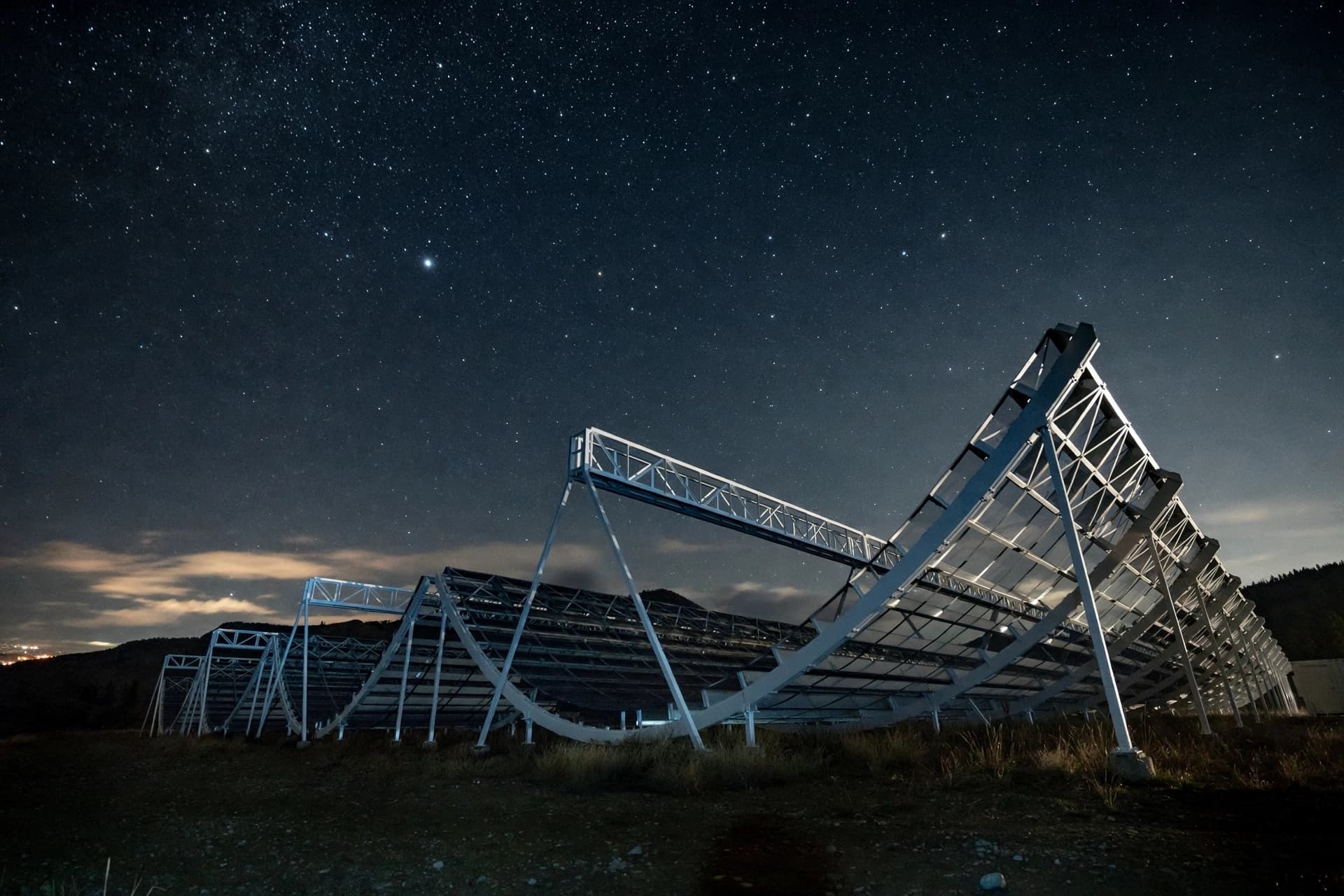
Astronomers also fear the impact on observational science. Large reflective surfaces in orbit can interfere with telescopes, creating glare and obscuring views of the cosmos. As we seek to understand the universe, adding artificial bright spots to the night sky complicates our ability to see clearly. The loss of dark skies is not just an aesthetic concern but a scientific one, hindering our quest for knowledge about the origins of life and matter.
Proponents argue that space-based data centers could reduce energy consumption on Earth by utilizing solar power more efficiently and avoiding the need for water-intensive cooling systems. They envision a future where digital infrastructure is decoupled from terrestrial resource constraints. While this offers a compelling narrative of innovation, critics question whether the benefits truly outweigh the environmental risks. The assumption that space is an infinite dumping ground for industrial waste is increasingly challenged.
The regulatory framework for such ventures is currently fragmented and insufficient. International treaties govern space activity, but they were drafted in an era before commercial mega-constellations and orbital industries were conceivable. Establishing clear guidelines for environmental protection in space requires global cooperation and foresight. Without robust oversight, the race for orbital dominance could lead to irreversible damage.
Public awareness of these issues is growing. As people become more conscious of their digital carbon footprint, the demand for sustainable technology solutions increases. Companies face pressure to justify their expansion plans not just economically, but ethically. Transparency about the environmental costs of space infrastructure is essential for maintaining public trust.
Closing: The proposal to build data centers in space highlights the tension between technological ambition and environmental stewardship. While the potential benefits are intriguing, the warnings from experts underscore the need for caution. Protecting our planet and our view of the universe must remain a priority as we reach for the stars.
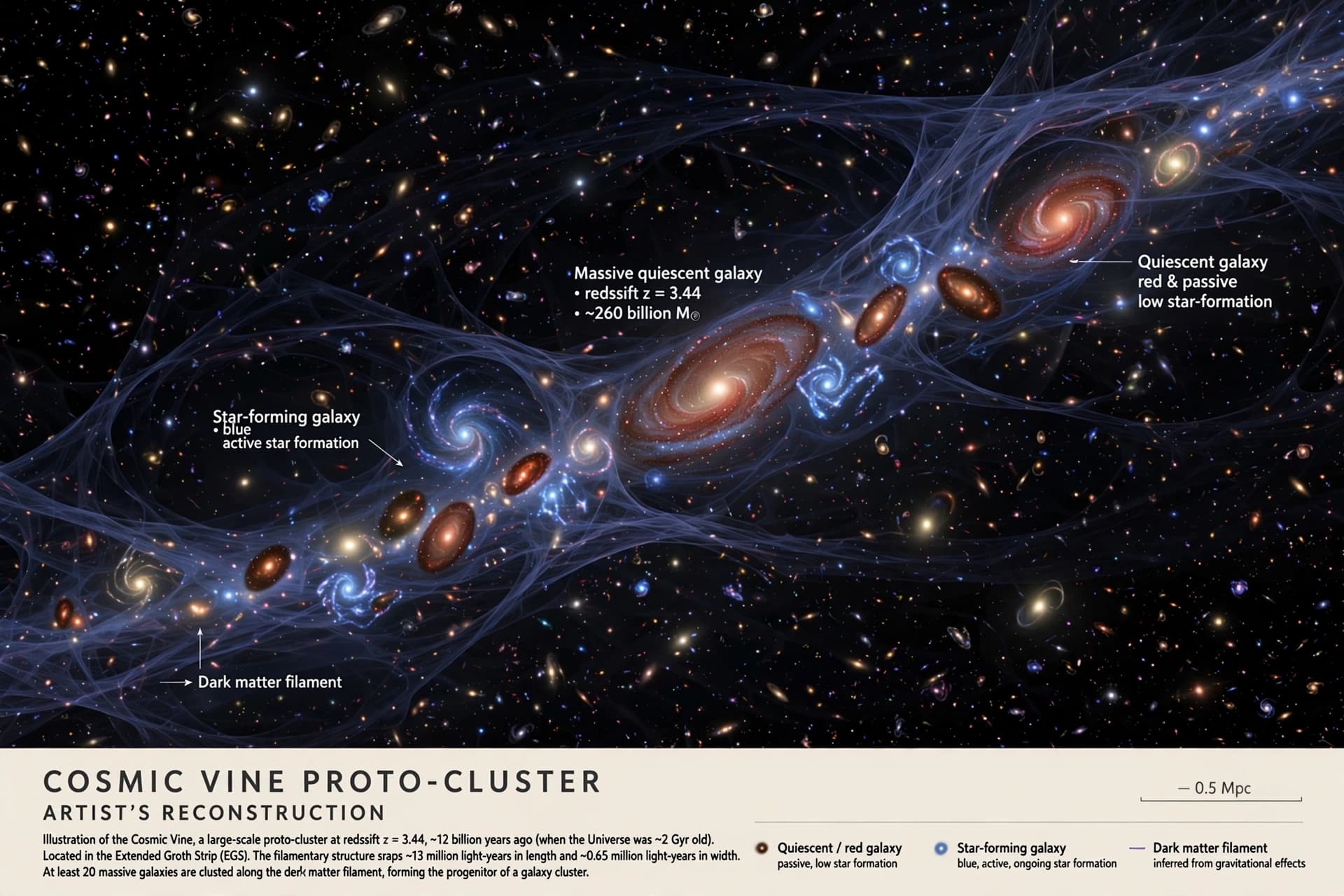
AI Image Disclaimer: The images accompanying this article are AI-generated conceptual illustrations of orbital infrastructure and rocket launches, designed to visualize the themes of space industry and environmental impact.
Sources: Nature Astronomy The Guardian SpaceNews Union of Concerned Scientists
Published by Banx Network. This article is part of the Banx decentralized media programme, powered by the BXE token on the XRP Ledger.