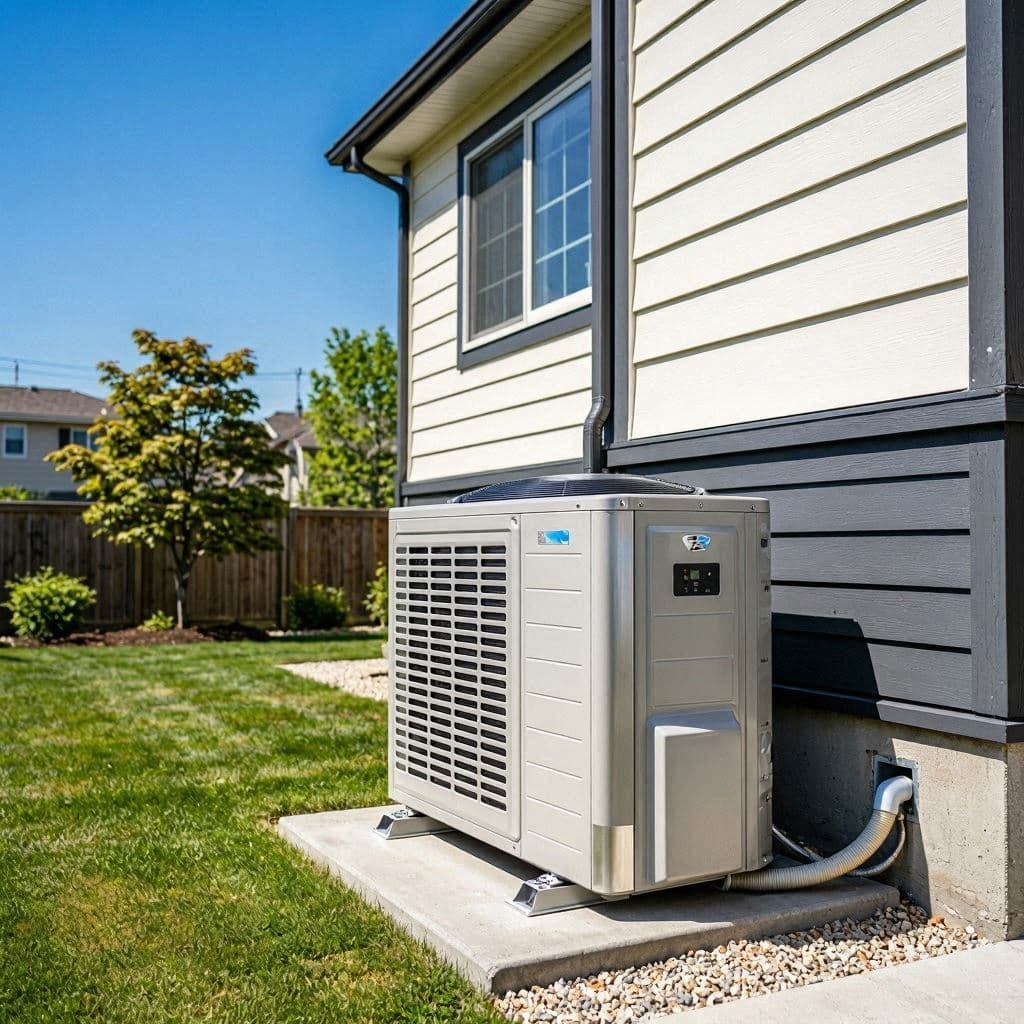
The transition to a sustainable energy future is often described as a gradual climb, but recent trends suggest we may be approaching a pivotal moment. Heat pumps, once a niche technology in the United States, are gaining momentum, with sales and installations rising sharply. This surge indicates that the US may be hitting a tipping point for widespread adoption. It invites reflection on how technological maturity, policy incentives, and consumer awareness converge to drive change. It is a story of innovation meeting necessity, reshaping how we heat and cool our homes.
Body: Heat pumps offer a highly efficient alternative to traditional fossil fuel-based heating systems. By moving heat rather than generating it, they can provide both warming and cooling with significantly lower energy consumption. Advances in technology have improved their performance in colder climates, addressing a historical limitation that hindered adoption in the Northeast and Midwest. Now, these systems are viable options for a much broader range of households.
Federal and state incentives have played a crucial role in accelerating this trend. Tax credits and rebates under legislation like the Inflation Reduction Act have reduced the upfront cost barrier for many consumers. These financial supports make heat pumps more competitive with natural gas furnaces and electric resistance heaters. For homeowners, the combination of lower operating costs and initial subsidies creates a compelling economic case.
Consumer awareness is also growing. As energy bills rise and climate concerns become more prominent, people are seeking ways to reduce their carbon footprint and save money. Heat pumps offer a dual benefit: environmental sustainability and economic efficiency. Word-of-mouth recommendations and positive experiences from early adopters are helping to normalize the technology, reducing skepticism and fear of the unknown.
The installation industry is adapting to meet this growing demand. Training programs for HVAC technicians are expanding, ensuring that there is a skilled workforce to handle the transition. Quality installation is critical for heat pump performance, so investing in professional expertise is essential. This infrastructure development supports the long-term viability of the technology.
Challenges remain, including the need for electrical grid upgrades in some areas to handle increased load. However, smart grid technologies and time-of-use rates can help manage demand effectively. Utilities are working with regulators to ensure that the shift to electrification is smooth and reliable. Collaboration between sectors is key to overcoming these hurdles.
The environmental impact of widespread heat pump adoption is significant. Reducing reliance on natural gas and oil decreases greenhouse gas emissions, contributing to national climate goals. It also improves local air quality by eliminating on-site combustion. These benefits extend beyond individual homes, contributing to broader public health and environmental welfare.
As the market matures, prices are expected to stabilize or decrease due to economies of scale. Competition among manufacturers is driving innovation and improving product offerings. Consumers will have more choices and better performance, further accelerating adoption. The trajectory suggests that heat pumps could become the standard for new construction and retrofits alike.
Closing: In the end, the rising adoption of heat pumps in the US marks a significant step toward a cleaner energy future. It demonstrates how policy, technology, and consumer choice can align to drive meaningful change. As we cross this tipping point, the hope is that it leads to a more sustainable and resilient housing sector for all Americans.
AI Image Disclaimer: Visuals accompanying this text are AI-generated conceptualizations intended to depict the themes of green technology and home energy.
Sources: The New York Times Department of Energy Reuters
Published by Banx Network. This article is part of the Banx decentralized media programme, powered by the BXE token on the XRP Ledger.