
Key Highlights
- Event:The Belgrade Tech Summit showcased innovations in agriculture.
- Technology:AI-driven platforms are enhancing traditional farming practices.
- Impact:Localized data aims to improve crop resilience in Serbia.
The rolling plains of the Vojvodina region have always been a theater of cyclical patience, where the rhythm of life is dictated by the slow turn of the seasons and the deep, dark richness of the earth. For generations, Serbian farmers have looked to the sky for signs of rain and felt the soil between their fingers to judge the readiness of the land. This relationship, defined by touch, sweat, and an intimate understanding of the elements, is now evolving with the introduction of advanced technology.
At the recent Belgrade Tech Summit, the air was filled not with the scent of harvest but with the sterile, energized hum of innovation. Engineers and agronomists discussed a future where the plow is guided by satellites and the health of a single stalk of grain is monitored by distant processors. This intersection of the organic and artificial suggests a new kind of stewardship over the natural world, where technology enhances rather than replaces traditional practices.
The technology does not arrive with the clatter of heavy machinery but with the subtle precision of sensors buried in the soil. These devices monitor moisture and nutrient levels, translating the earth's needs into quantifiable data. This shift suggests a future where farmers can act in perfect harmony with the land's demands, moving away from guesswork to informed decision-making.
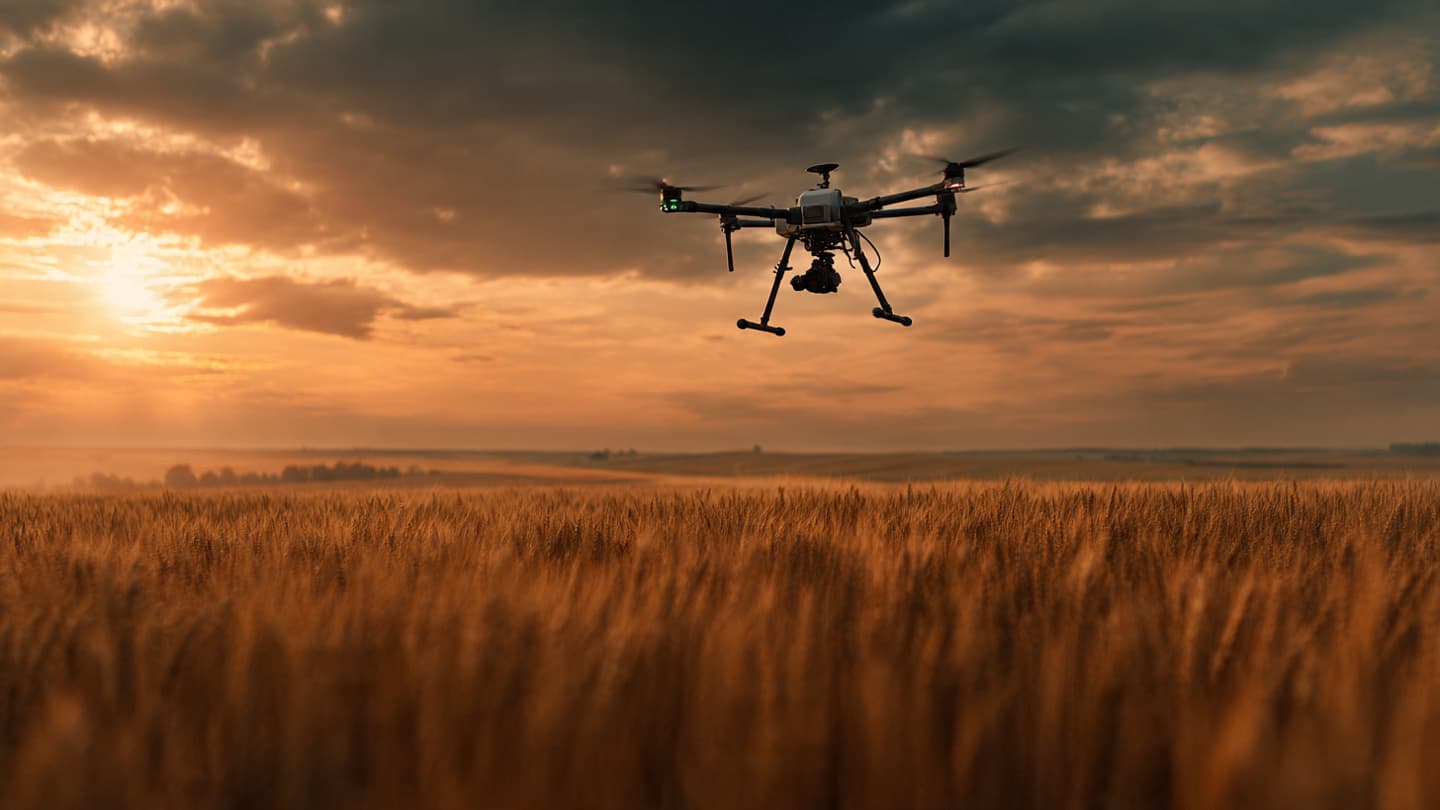
As morning mist clings to the Serbian valleys, drones hover above orchards, capturing a spectrum of light invisible to the human eye. They detect stress in leaves before they yellow and identify pests before they strike. This
Published by Banx Network. This article is part of the Banx decentralized media programme, powered by the BXE token on the XRP Ledger.



