There’s a certain cadence to revolutions — a rhythm of beginnings, crescendos, and unexpected pauses. In the tale of Tesla’s recent year, we find ourselves in one of those reflective moments. Just as autumn leaves drift gently from their branches before winter’s rest, so too did Tesla’s once-soaring profit margins and its unrivaled place atop the electric vehicle summit take a gentler descent. This isn’t a story of defeat so much as transformation — a point in time when the journey itself becomes the lesson.
In the heart of last year’s financial reports, Tesla announced that its net income had fallen by 46 percent, retreating to roughly $3.8 billion — its lowest annual profit since before the pandemic. This decline followed an era of ambitious growth, when the company’s earnings seemed to rise as inexorably as the sun at dawn. Yet the market’s own terrain shifted, and that ascent eased into a more measured pace as sales fell and competition grew sharper.
Once the undisputed champion of electric vehicle sales, Tesla ceded its global crown to China’s BYD. Where Tesla’s deliveries drifted downward by around eight percent, BYD’s climbed into the number-one spot with sales surpassing Tesla’s total. It was, in many ways, symbolic: the baton of leadership passing hands not with a clash but with the quiet recognition of new rivals thriving in a vibrant EV ecosystem.
The figures tell one part of the story. Behind them lies the shifting heartbeat of consumer sentiment and industry evolution. Tesla’s brand, once a promise of tomorrow, encountered currents of skepticism in some markets. At the same time, other manufacturers introduced a wider range of models at competitive prices, tapping into growing demand for electric mobility across the globe.
Yet within these numbers, Tesla’s own vision is evolving. Company leaders framed the results less as an end and more as a crossroads. Their gaze, for now, is set beyond the familiar horizon of vehicle sales and toward a future peppered with robotaxis, artificial intelligence, and humanoid robotics. Investments that might have seemed speculative in years past now rise to the forefront of strategic conversations.
Such a shift is less like turning a ship on a dime and more like adjusting the sails in changing winds. There is both possibility and uncertainty in that adjustment. The market, like an open sea, may yet reward bold thinking — or demand course corrections that preserve the core of what made Tesla a defining voice in electric mobility.
As the calendar leafs toward another year, the narrative of Tesla isn’t one of mere retreat but of recalibration. The electric vehicle market itself continues to grow, broadening from niche to mainstream with a flourish of innovation. In that expanse, even a shifting position doesn’t close a chapter — it simply opens a new one.
In reporting these developments, there’s no need for alarm or oversimplification. The numbers show a company in transition and an industry in full bloom. Tesla—and the broader EV world—remain subjects of both admiration and scrutiny, intertwined in the evolving story of sustainable mobility.
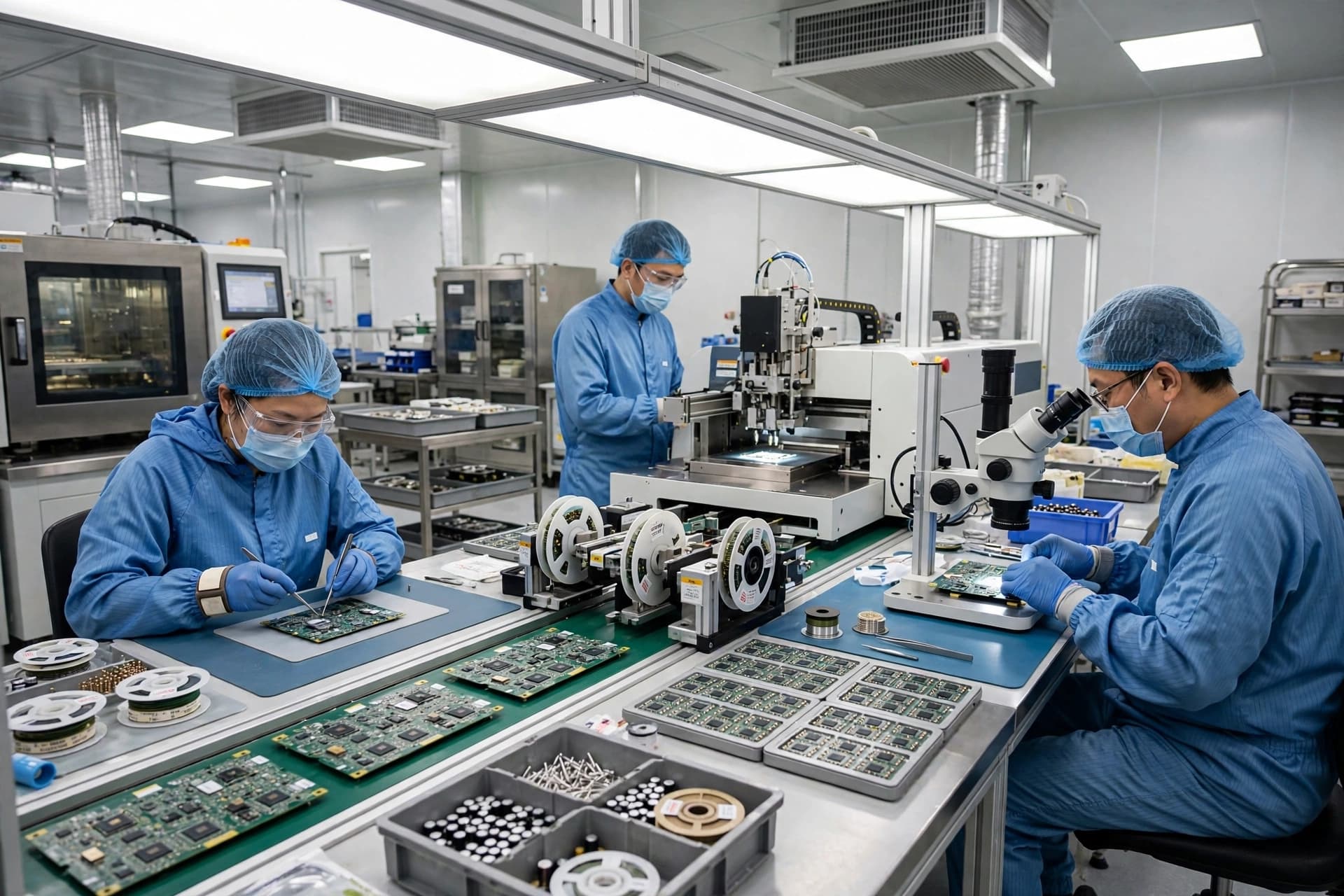
AI Image Disclaimer (rotated wording)
“Visuals are created with AI tools and are not real photographs.”
Published by Banx Network. This article is part of the Banx decentralized media programme, powered by the BXE token on the XRP Ledger.