The Great Revaluation: How Tokenized Assets Are Rewiring Global Finance by 2026
By 2026, the global financial system is expected to undergo a structural metamorphosis that industry insiders describe as the "death of crypto" and the "birth of digital finance." Moving beyond speculative trading, the integration of blockchain technology into the banking core is set to unlock trillions in illiquid capital, fundamentally altering how value is stored, transferred, and leveraged.
The Shift from Speculation to Infrastructure
The narrative for 2026 is driven by a transition from "talk to implementation" as regulators like the OCC, FDIC, and Federal Reserve begin sketching the perimeter for tokenized deposits and stablecoins. Major financial institutions are no longer experimenting on the fringes; they are integrating distributed ledger technology (DLT) into their legacy systems. A prime example is the partnership between DXC Technology and Ripple, which integrates blockchain payment logic directly into the Hogan core banking platform - essentially the operating system for over 300 million bank accounts and $5 trillion in daily deposits. This integration transforms adoption from a slow sales process into a simple software update, allowing banks to "switch on" digital asset custody and payments without overhauling their legacy systems.
The $100 Trillion Tokenization Opportunity
The primary engine of this financial shift is the tokenization of Real World Assets (RWAs). Estimates suggest that as banks embrace this technology, between $50 trillion and $100 trillion worth of assets could be tokenized on-chain over the next few years. This encompasses everything from real estate and stocks to bonds and money market funds.
This shift addresses a critical liquidity crisis. According to financial analysts, the current global debt saturation requires new forms of collateral to keep the system solvent. Tokenization turns illiquid assets - such as a commercial building or a piece of land - into liquid, pledgeable collateral that can be settled instantly, 24/7. This phenomenon is termed "The Great Revaluation," a process of balance sheet repair where asset values are financialized and expanded to support existing debt levels without requiring debt reduction.
The End of Fragmented Liquidity and "Atomic Settlement"
By 2026, the inefficiency of the legacy financial "plumbing" is expected to be replaced by atomic settlement - where the transfer of value and ownership happens simultaneously, eliminating the traditional T+2 (trade plus two days) settlement lag.
BlackRock, the world's largest asset manager, is actively stepping into this space by using tokenized funds, such as their "BUIDL" fund, to bridge the gap between traditional assets (like Treasury bills) and blockchain liquidity. This move allows institutional-grade collateral to move on high-speed rails, specifically the XRP Ledger (XRPL), effectively turning the ledger into a "liquidity black hole" that absorbs institutional capital.
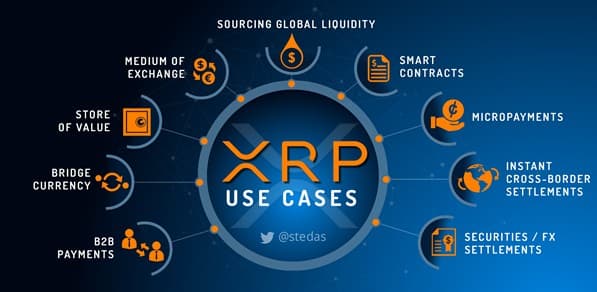
Furthermore, this shift targets the estimated $27 trillion currently sitting dormant in Nostro/Vostro accounts - pre-funded accounts banks use to facilitate cross-border trade. By utilizing bridge assets like XRP and compliant stablecoins like RLUSD, banks can free up this trapped capital, allowing it to generate yield rather than sitting idle.
Institutional Privacy and Compliance
A major hurdle for institutional adoption has been the transparency of public blockchains; banks do not want their proprietary trade data visible to competitors. By 2026, this "privacy paradox" is being solved through the integration of Zero-Knowledge Proofs (ZKPs) on ledgers like the XRPL. This creates an "institutional ghost layer" where banks can prove they have funds and regulatory clearance without revealing transaction amounts or destinations to the public, allowing them to settle massive volumes without alerting the market or front - runners.
The Rise of Yield - Bearing Digital Assets
The financial landscape of 2026 will also be defined by the ability to generate yield on assets that were previously static. The Flare Network is positioning itself to bring smart contract capabilities and DeFi yields to assets like XRP and Bitcoin, which traditionally lack these features. Major exchanges like Kraken are integrating "Firelight" vaults to abstract the complexity of DeFi, allowing users to earn yield on their assets with a single click, effectively turning exchanges into liquidity routers for the Flare Network.
Similarly, the introduction of the XLS-66 amendment on the XRP Ledger aims to create a global, under-collateralized credit market. This protocol allows institutions to borrow against on-chain liquidity pools using off-chain credentials, transforming XRP from a passive asset into a productive tool for generating yield in global credit markets.
The Geopolitical Dimension
This technological evolution is occurring against a backdrop of shifting global monetary order. With the potential unwinding of the "yen carry trade" and rising interest rates in Japan, global liquidity is under stress. In this environment, Japan is aggressively integrating blockchain payments, with major banks like SBI Holdings utilizing XRP for cross-border settlements to bypass legacy rail inefficiencies. Japan is also reportedly moving to classify XRP as financial infrastructure rather than just a speculative asset, further solidifying its role in the new economy.
Conclusion
By 2026, the distinction between a traditional bank account and a blockchain wallet is expected to disappear. Through tokenization, the financial system will move from a reliance on slow, siloed databases to a unified, interoperable value network. This transition is not merely about faster transactions; it represents a fundamental restructuring of global capital, where every asset - from equities to real estate - becomes liquid, programmable, and capable of serving as collateral in a 24/7 digital economy.
Published by Banx Network. This article is part of the Banx decentralized media programme, powered by the BXE token on the XRP Ledger.