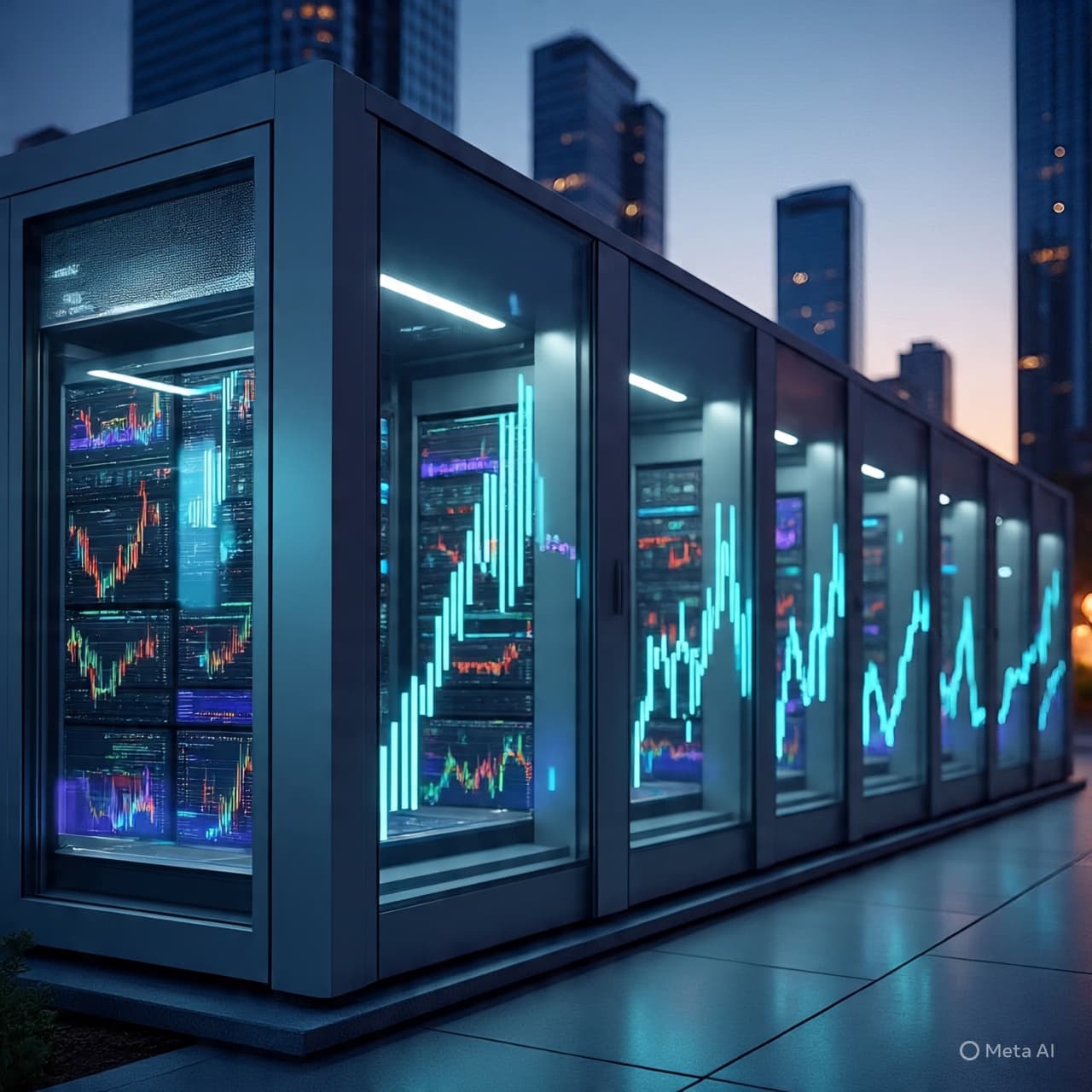
Artificial intelligence has crossed a symbolic threshold. Global investment into AI startups has surged to an unprecedented $150 billion, marking one of the most aggressive funding waves in modern technology history. What began as cautious experimentation has transformed into a full-scale race to define the next technological era.
Venture capital firms, sovereign wealth funds, and corporate giants are pouring money into companies promising breakthroughs in generative models, automation, robotics, and data infrastructure. The scale of investment reflects a belief that artificial intelligence is no longer a speculative frontier but a foundational layer of the future economy.
Much of the momentum has been driven by rapid advances in large language models, cloud computing, and specialized chips designed to handle increasingly complex workloads. Startups once valued for potential are now being assessed for their ability to deliver real-world productivity gains, reshape industries, and capture long-term market share. As a result, funding rounds have grown larger, faster, and more competitive.
Yet the surge also carries risks. Sky-high valuations have revived concerns of overheating, particularly as competition intensifies and differentiation becomes harder to sustain. Not every company will survive the next phase, and investors are increasingly scrutinizing paths to profitability rather than growth alone.
Despite these concerns, the broader narrative remains one of confidence. Governments view AI as a strategic asset, corporations see it as essential infrastructure, and investors view it as the defining economic opportunity of the decade. The convergence of capital, talent, and ambition has created a cycle that continues to reinforce itself.
As the sector matures, the focus will likely shift from who can raise the most money to who can turn innovation into lasting value. But for now, the scale of investment tells its own story: artificial intelligence is no longer an emerging trend — it is the central engine of the next technological era.
Published by Banx Network. This article is part of the Banx decentralized media programme, powered by the BXE token on the XRP Ledger.