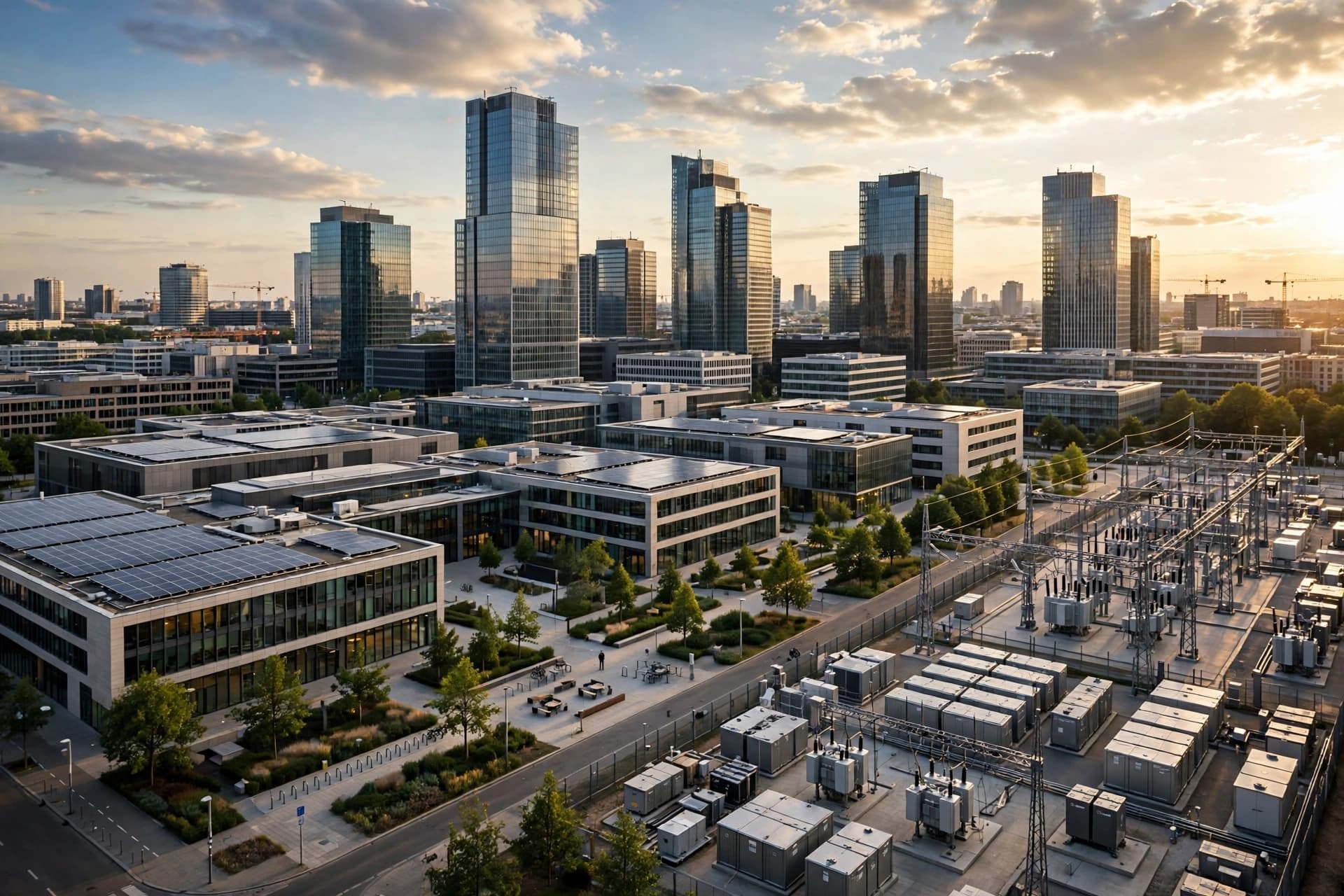
1. The overlooked equipment powering the modern world
Electricity is becoming increasingly important to the global economy. Artificial intelligence, cloud computing, electric vehicles, industrial automation and renewable energy are all increasing the need for reliable electricity supplies.
Yet one of the most important components of the electricity system is attracting attention for an unexpected reason: the world is struggling to manufacture enough power transformers.
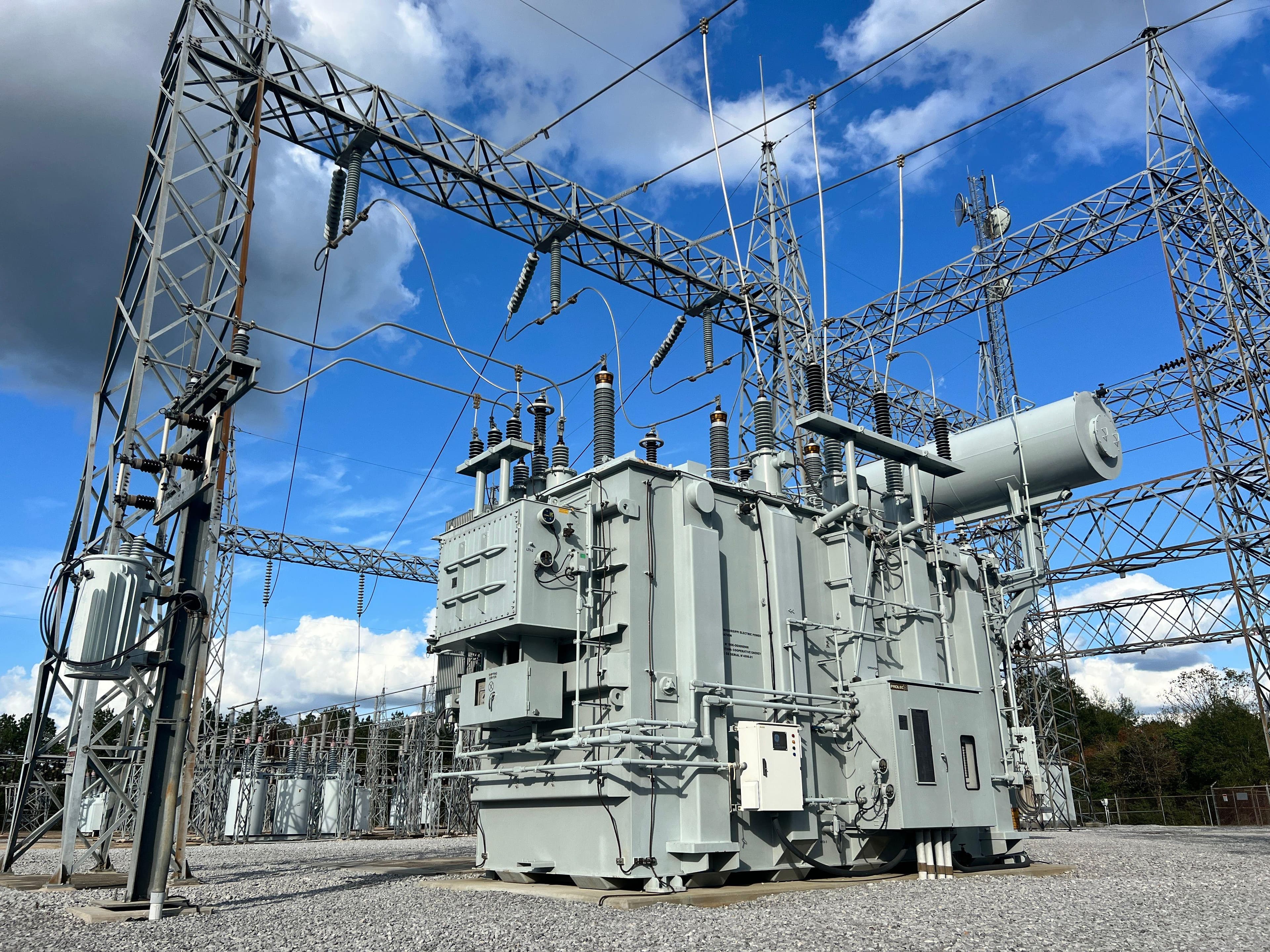
Transformers are essential machines that regulate electricity voltage as power moves between generating facilities, transmission networks, distribution systems and consumers.
They allow electricity to travel efficiently across long distances before being converted to suitable voltage levels for homes, businesses and industrial facilities.
Without them, modern electricity networks could not operate as they do today.
The problem is that demand for transformers is growing faster than manufacturing capacity in several important markets.
According to the International Energy Agency (IEA), procurement times for large power transformers have reached as much as four years in some cases. Prices have also risen substantially as utilities and developers compete for limited manufacturing capacity. 1
The result is an increasingly important infrastructure bottleneck that could affect everything from electricity prices to the construction of new data centres.
2. Why the world suddenly needs so many transformers
The transformer shortage is not being driven by a single industry. Several major economic developments are increasing demand simultaneously.
Artificial intelligence and data centres
AI infrastructure is one of the fastest-growing sources of electricity demand.
Large data centres require substantial electrical capacity to power servers, cooling systems and networking equipment. They also require specialised electrical infrastructure to connect them safely and reliably to the grid.
As technology companies compete to build increasingly powerful AI facilities, demand for transformers, switchgear and other electrical equipment is increasing.
A July 2026 Reuters report highlighted how AI data centre construction was intensifying shortages of critical grid equipment in the United States. Some high-voltage transformer lead times had exceeded three years, while generator step-up transformers had waiting periods exceeding 160 weeks. 2
Renewable energy expansion
Wind farms and solar installations also require transformers to connect electricity generation to the wider network.
Offshore wind projects can require particularly specialised equipment because electricity must be transported from remote locations to the mainland grid.
As renewable energy capacity expands, the need for supporting electrical infrastructure grows alongside it.
Electric vehicles and electrification
Electric vehicles, charging stations and heat pumps are changing electricity consumption patterns.
Distribution networks must be upgraded to accommodate additional demand, particularly in areas where existing infrastructure was designed for much lower electricity consumption.
Industrial expansion
New factories, manufacturing facilities and industrial projects also require substantial electrical connections.
The combination of these developments is creating a global demand surge that the transformer industry was not fully prepared to accommodate.
3. An ageing electricity grid is making the problem worse
The shortage is not simply about building new electricity infrastructure.
Many countries also need to replace ageing equipment that has been operating for decades.
In the United States, the IEA's 2026 analysis identifies ageing infrastructure as an additional source of pressure, reporting that around 70% of US transformers are more than 25 years old. 3
Older transformers may still function, but they can become less reliable and more expensive to maintain as they approach the end of their operational lives.
Utilities therefore face two competing requirements: replacing ageing equipment while expanding networks to accommodate new electricity demand.
This creates a difficult procurement environment.
A utility planning to replace an ageing transformer may have to compete with a data centre developer or renewable energy company seeking equipment for a new project.
If manufacturers cannot supply enough units, some infrastructure upgrades must be delayed.
That creates a wider risk for electricity reliability, particularly where several ageing assets are operating within the same network.
4. Transformer prices and delivery times are climbing
The supply shortage is having a direct financial impact on electricity infrastructure projects.
The IEA's February 2025 analysis found that procurement times for large power transformers could reach four years, approximately twice the level recorded in 2021.
It also found that power transformer prices had increased by around 75% in real terms compared with 2019. 1
More recent research suggests that pressure remains significant.
In September 2026, McKinsey described the situation as a transformer supercycle, with demand from data centres, electrification and grid investment fundamentally changing the market.
The consultancy estimates that global data centre capacity could reach approximately 389 gigawatts by 2035, around 4.6 times its current level in its analysis. 4
For infrastructure developers, the consequences extend beyond the cost of the equipment itself.
A transformer arriving several years late can delay an entire project, potentially leaving expensive generation capacity or industrial facilities unable to connect to the electricity network.
Developers may consequently be willing to pay more to secure manufacturing slots and reliable delivery dates.
This is changing how utilities and businesses approach procurement.
Instead of ordering equipment shortly before construction begins, some are planning purchases several years in advance.
5. The global manufacturing bottleneck
Transformers are complex industrial products. Their production requires specialised engineering, materials, manufacturing facilities and skilled workers.
Important materials include copper, aluminium and grain-oriented electrical steel, which is used in transformer cores to reduce energy losses.
Manufacturers must also produce insulation systems, windings, tanks and cooling equipment to precise technical specifications.
Large power transformers are particularly difficult to manufacture because they are designed for demanding electrical conditions and can vary considerably depending on their intended application.
Expanding production is therefore not as simple as opening another assembly line.
Manufacturers need specialist machinery, qualified employees, reliable suppliers and substantial capital investment.
The IEA has warned that workforce shortages are also a concern across the wider electricity grid industry. Its analysis estimates that the global grid workforce will need to increase by approximately 1.5 million people by 2030 under current policy settings. 5
This means the transformer shortage is part of a wider industrial capacity problem.
The world needs more electrical equipment, but it also needs the factories, materials and skilled workers required to manufacture and install it.
6. China, South Korea and the changing transformer supply chain
The transformer industry is becoming increasingly important to international trade.
Manufacturing capacity is concentrated among a relatively limited number of major industrial producers, creating potential vulnerabilities when demand rises simultaneously across several regions.
China is particularly important because of its substantial electrical equipment manufacturing industry.
South Korea, Japan, Türkiye, Italy and other European manufacturers also play significant roles in international transformer supply chains.
According to the IEA, exports from China, South Korea, Türkiye and Italy accounted for approximately half of global power transformer trade in 2023. 6
This international manufacturing network helps balance regional shortages, but it also introduces additional challenges.
Transformers are large, heavy and expensive to transport. Different electricity networks require equipment built to specific technical standards, and buyers must consider long-term maintenance, reliability and supplier support.
Geopolitical tensions and trade restrictions can also complicate procurement.
The result is growing pressure on governments to strengthen domestic manufacturing capabilities and diversify their sources of critical electrical equipment.
The transformer market is therefore becoming more than an industrial supply issue. It is increasingly connected to national energy security and economic competitiveness.
7. The investment opportunity: who could benefit?
The transformer shortage is creating opportunities for companies involved in electrical infrastructure and industrial manufacturing.
As utilities and governments increase spending on electricity networks, manufacturers and suppliers could benefit from larger order books and stronger demand.
Several areas are worth watching.
Transformer manufacturers
Companies producing power transformers and distribution equipment are positioned directly within the supply chain.
Major international businesses include:
Hitachi Energy — a major supplier of power transformers and grid technologies.
Siemens Energy — active in grid infrastructure, power transmission and transformer manufacturing.
GE Vernova — supplies grid equipment and technologies supporting electricity networks.
Eaton — provides electrical equipment and power management solutions.
Schneider Electric — supplies electrical distribution and energy management technologies.
These companies operate across different segments of the electricity infrastructure market, so their exposure to transformer demand varies.
Electrical materials suppliers
Manufacturers supplying copper, electrical steel, insulation materials and specialist components could also benefit from increased production.
Grid engineering companies
Businesses involved in designing, installing and upgrading electricity networks may experience stronger demand as utilities expand their infrastructure.
Testing and maintenance providers
As transformer fleets grow and existing equipment ages, specialist testing, monitoring and maintenance services could become increasingly important.
However, a growing market does not guarantee that every company will generate higher profits. Manufacturers must manage capital expenditure, labour costs, material prices and production bottlenecks.
Investors should also consider company valuations, order backlogs and the extent to which expected growth is already reflected in share prices.
8. Governments are being forced to rethink energy infrastructure
The transformer shortage is exposing a wider weakness in energy planning.
For many years, electricity generation received considerable attention, while transmission and distribution infrastructure often developed more slowly.
Governments could announce ambitious renewable energy programmes, support new power stations and encourage electrification, but none of these plans could reach their full potential without adequate grid infrastructure.
The IEA has repeatedly highlighted this imbalance.
Its February 2025 report found that around 1,650 gigawatts of advanced-stage solar and wind projects were waiting for grid connections in 2024. It also reported that global transmission investment reached approximately $140 billion in 2023, but would need to rise considerably to meet future requirements. 5
The issue is not simply a shortage of transformers. It is a broader mismatch between the speed of energy development and the ability to connect new infrastructure to electricity networks.
Governments are therefore under pressure to improve planning, accelerate permitting, support domestic manufacturing and encourage longer-term procurement agreements.
The countries that address these bottlenecks effectively could gain an advantage in attracting energy-intensive industries and technology investment.
9. Could transformer shortages affect the AI boom?
One of the most significant consequences could be the impact on artificial intelligence infrastructure.
Technology companies are investing enormous amounts of capital in data centres, advanced processors and cloud computing facilities.
But computing power ultimately depends on electricity.
A company may secure land, purchase servers and construct a data centre, yet still struggle to operate it at full capacity if the necessary electricity connection and supporting equipment are unavailable.
Transformers are one part of that equation, alongside generation capacity, transmission lines, substations, switchgear and cooling infrastructure.
This creates an important distinction between the growth of AI technology and the physical infrastructure required to support it.
The global AI industry may be able to develop new processors and software rapidly, but electricity networks cannot always expand at the same speed.
As a result, access to power could become an increasingly important factor in determining where future data centres are built.
Regions with reliable electricity supplies, available grid capacity and established infrastructure could become more attractive to technology companies.
The transformer shortage therefore has implications beyond the energy sector. It could influence the geography and economics of the global AI industry.
10. The next electricity infrastructure supercycle
The transformer shortage highlights a fundamental challenge facing the modern economy.
Electricity demand is growing, but the infrastructure required to deliver it is under pressure.
Artificial intelligence, electric vehicles, renewable energy, industrial expansion and ageing networks are all contributing to a market in which demand for critical electrical equipment is rising.
Manufacturers are responding by expanding production, while governments and utilities are looking for ways to secure equipment earlier and diversify supply chains.
However, increasing manufacturing capacity takes time. New facilities must be financed, constructed, equipped and staffed before they can significantly increase production.
The shortage may therefore remain an important issue even as new factories come online.
For investors, this creates a potentially significant long-term industrial theme. The companies involved in transformers, electrical materials, grid engineering and infrastructure maintenance could benefit from sustained investment in electricity networks.
But the bigger lesson extends beyond investment.
The world has spent years focusing on the technologies that will consume more electricity. It now needs to pay equal attention to the infrastructure that makes that electricity available.
The next major bottleneck in the global technology economy may not be computer chips or software.
It could be the equipment sitting inside the electricity grid.
Sources
International Energy Agency — Rising Component Prices and Supply Chain Pressures Are Hindering the Development of Transmission Grid Infrastructure
Reuters — US Power Companies Scramble to Secure Equipment as Surging Data Centre Demand Strains Supplies
International Energy Agency — Energy Technology Perspectives 2026
McKinsey — The Transformer Supercycle: Why Demand Is Outrunning Supply
International Energy Agency — Building the Future Transmission Grid
International Energy Agency — World Energy Investment 2025
Rystad Energy — Grid Equipment Market Outlook
RMI — Solving the Gridlock: America's Electric Supply Chain Opportunity
Published by Banx Network. This article is part of the Banx decentralized media programme, powered by the BXE token on the XRP Ledger.