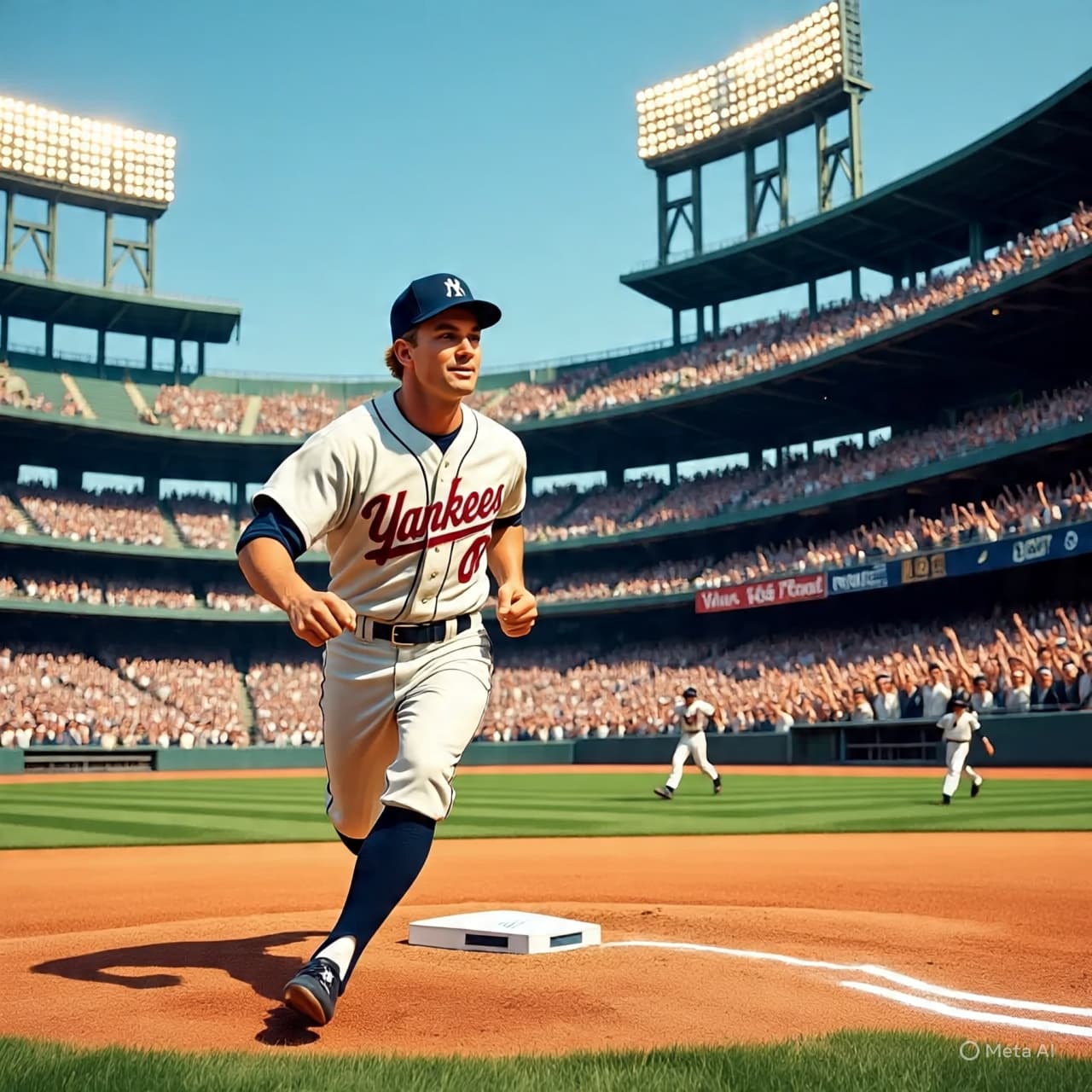
On crisp February mornings, the quiet of early spring sometimes carries echoes of autumn afternoons long past — a familiar crack of the bat, a whispered hope among fans, the memory of where they stood when the ball sailed into history. For many, those echoes now feel a little quieter. William Stanley Mazeroski, the man whose name was etched into baseball lore with a swing that lifted a city and captivated a nation, has passed away at 89. His life, marked by the gentle rhythm of a ballplayer’s dedication, mirrored the cadence of the game he loved: steady, resilient, unforgettable.
Mazeroski’s story was never merely about statistics, though his numbers — eight Gold Glove awards, 10 All-Star selections, over 2,000 hits — speak to a remarkable career. Rather, it was about a singular moment that seemed to suspend time and sweep a generation along with it. On October 13, 1960, at Forbes Field in Pittsburgh, the bottom of the ninth inning of Game 7 of the World Series found the score tied and hearts racing. With a calm that belied the tension around him, Mazeroski met the pitch and drove it over the left-field wall. In that instant, a championship was won, a city erupted, and a legend was born — the only time in history a Game 7 of the World Series ended with a walk-off home run.
But if that moment was the crest of a wave, the rest of Mazeroski’s life was the ocean beneath — broad, deep, and quietly enduring. A steady second baseman for all 17 of his Major League seasons with the Pittsburgh Pirates, he became a paragon of defensive skill, celebrated not for flash but for unwavering excellence. His glove spoke volumes in a sport enamored with the home run, and his humility made him beloved by teammates and fans alike.
To the Pirates faithful, his presence was a constant: a reminder of autumn days when hope felt tangible, when a single swing could change the course of a season — or life. To young players, he offered a model of what it meant to be great not through ego, but through consistency, craft, and quiet heart. To Pittsburgh itself, Mazeroski was part of the city’s soul, woven into its triumphs and its tenderest memories.
He stood not only as a figure of achievement but as one of context — a coal miner’s son who rose to the heights of America’s pastime, a player whose greatest moment was cherished not for its rarity alone, but for how it made others feel: joyful, hopeful, connected. It is often in such moments that sport transcends score lines; it becomes part of a shared story.
In the end, Mazeroski remained, for many, the echo of that late-season afternoon in 1960. The glint of sunlight on a baseball, the roar of a crowd, the slow trot around the bases — memories that outlive us all. His passing is a quiet turning of a page on an era of baseball that treasured its heroes not for grand gestures alone, but for the gracious dignity with which they carried themselves.
As the baseball world reflects on his life and legacy, it does so with gratitude — for the thrill of the moment, the steady heartbeat of a career well lived, and the gentle legacy of a man who gave fans more than a game; he gave them a memory.
AI Image Disclaimer (Rotated Wording) “Visuals are created with AI tools and are not real photographs.”
Sources Associated Press, The Washington Post, Reuters, MLB.com, Sports Illustrated
Published by Banx Network. This article is part of the Banx decentralized media programme, powered by the BXE token on the XRP Ledger.