There’s a moment early in every new piece of technology where curiosity and caution meet — when you open a program not because you expect an answer, but because you want to feel how it works. That was the spirit of my recent exploration of a local, open-source AI model positioned as a rival to Claude Code: a tool that promises to live on your own machine, cost nothing, and give you the freedom that comes with open-source software.
At first glance, the appeal is simple and human: not everyone wants their prompts to travel off to the cloud, and not everyone can or wants to pay monthly subscriptions for access to large language models. An open-source alternative that you can run locally — on your own laptop or desktop — taps into that desire for control and transparency. It’s about what the code lets you do, and who gets to see it. And that framing made me eager to see how the experience would unfold.
Installing the model felt like stepping into a workshop. Unlike cloud AI services that simply ask for a login, a local open-source model starts with choosing the right version, setting up dependencies, and making sure your hardware meets the requirements. There’s a sense of responsibility here; you’re not just inviting a service into your browser, you’re inviting a piece of software into your own environment. And that choice carries with it an empowering feeling — especially for people who enjoy knowing what’s running under the surface.
Once the model was up and running, it answered queries surprisingly well for many everyday tasks. I asked it to generate small snippets of code, explain concepts in plain language, and draft short text examples — and it handled those with a relaxed confidence. Because it runs locally, the responses felt immediate, almost conversational, with no buffering or spinning wheels. There’s something quietly satisfying about knowing that the language patterns are being generated entirely on a machine in the same room.
But like every tool that is still emerging, there were limits. Where cloud-based models typically draw on massive datasets and finely-tuned optimizations, this open-source alternative occasionally stumbled on more complex or nuanced requests. Code suggestions were serviceable, but sometimes lacked the polish or context that you might expect from a more mature commercial model. On tasks involving subtle reasoning or deeper domain knowledge, it showed its seams — not in a dramatic way, but in moments that revealed it was still learning where its strengths end and its gaps begin.
That said, the experience underscores a broader theme in how we think about artificial intelligence right now: access and agency matter nearly as much as performance. A local open-source model isn’t just a tool, it’s a statement about where the control resides — in your machine, not in some remote server. For students, hobbyists and privacy-minded users, that can be a meaningful distinction. It invites a different kind of relationship between person and program — not just a consumer of output, but a participant in the process.
What struck me most was how blended the impressions became: part excitement for how far open-source models have already come, part awareness that there is still ground to cover before they rival the most sophisticated cloud-based services. This isn’t a story of “better or worse” — it’s a story of different priorities. Cloud systems offer scale and polished performance; local open-source systems offer autonomy and insight.
In the end, the experiment left me with a deeper appreciation for both approaches. The local model reminded me that innovation isn’t just something delivered to us as a service, but something we can run, explore, and shape ourselves. And it reminded me that as AI continues to evolve, part of its promise lies not just in what it can do, but in the choices it gives us about how, where, and why we use it.
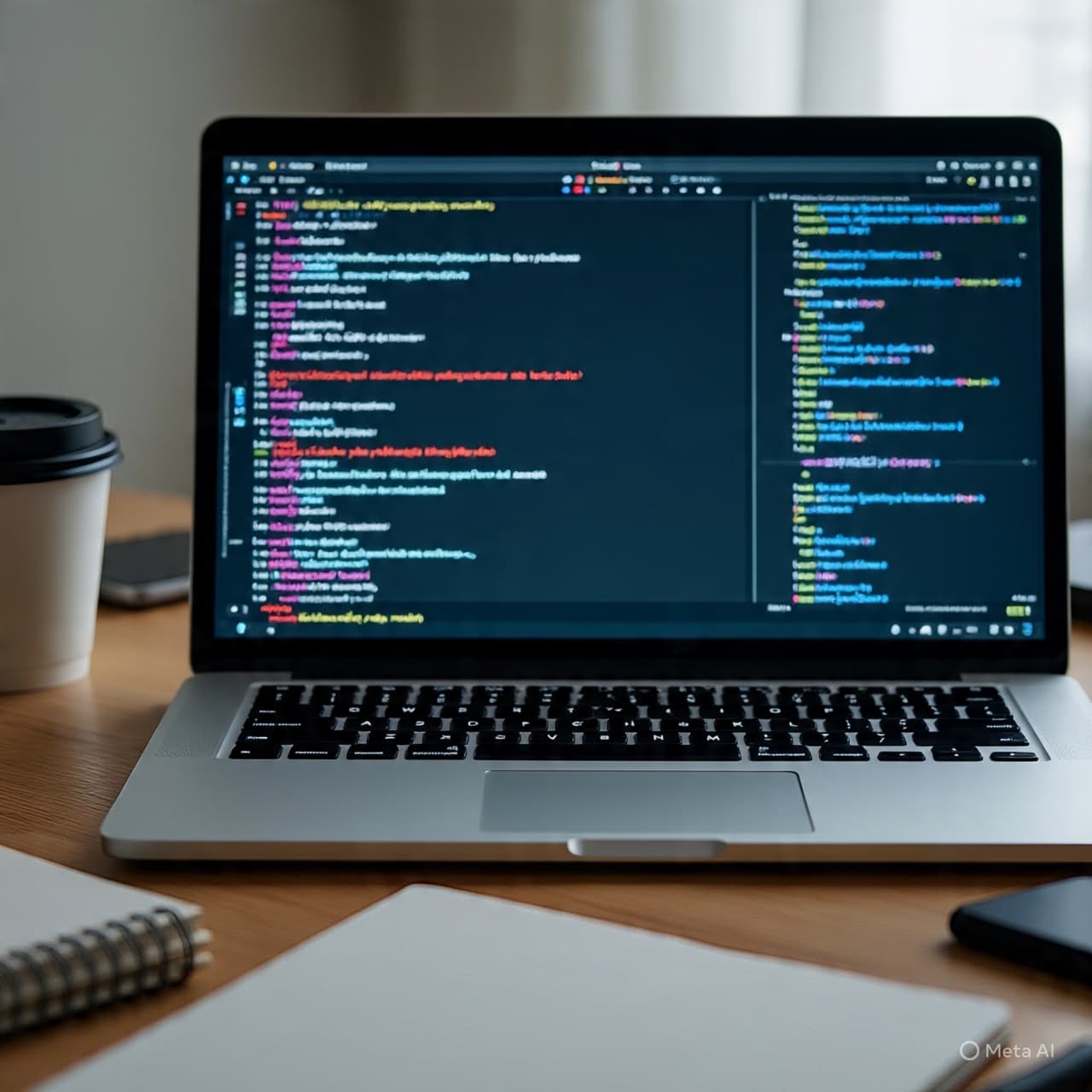
AI Image Disclaimer Visuals are created with AI tools and are not real photographs.
Sources
• Coverage from technology news outlets on the rise of local and open-source AI models
• Commentary from developers and researchers on running AI tools on personal hardware
Published by Banx Network. This article is part of the Banx decentralized media programme, powered by the BXE token on the XRP Ledger.