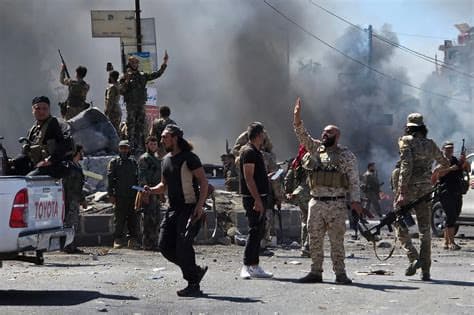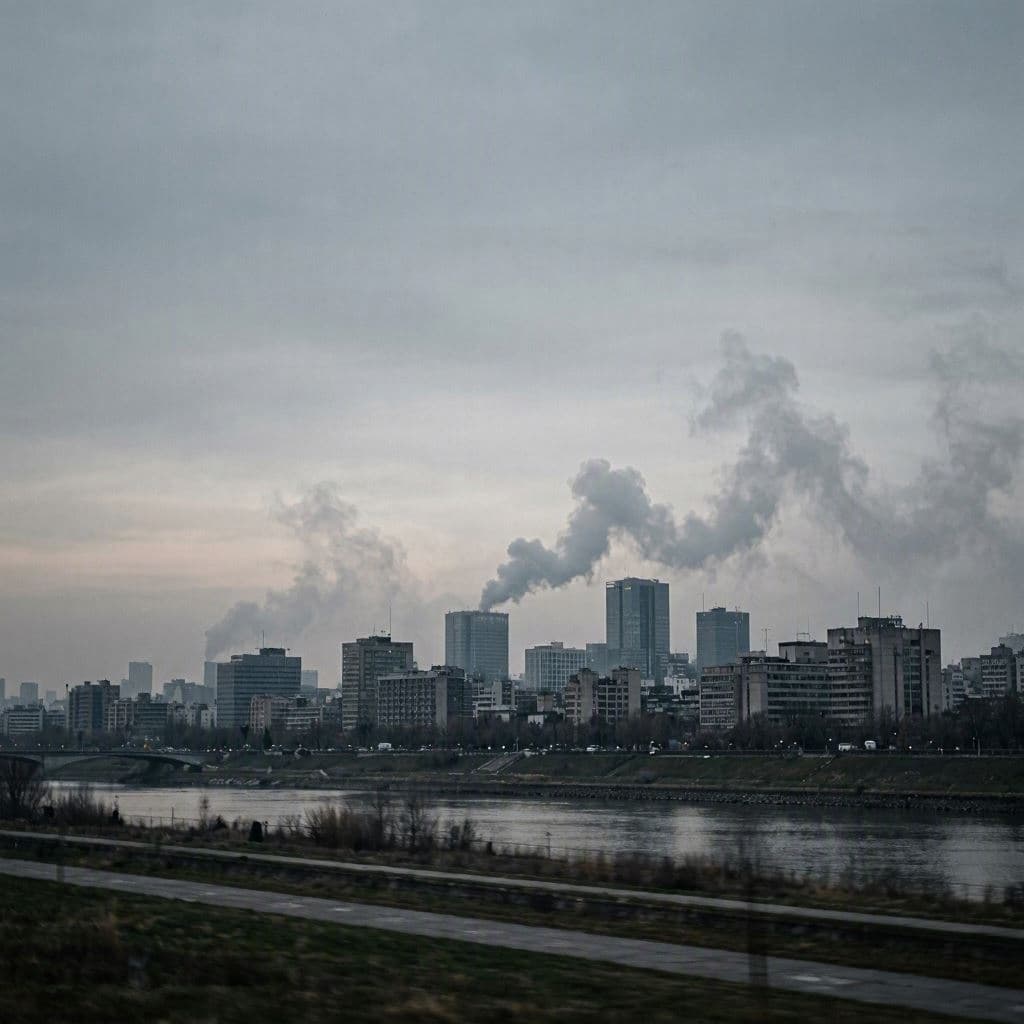
The sky over Kyiv, often a canvas of blue and cloud, was recently torn by the harsh reality of conflict. A strike on a weapons depot in the capital has left a trail of devastation, claiming at least thirty-seven lives and forcing hundreds to flee their homes. It is a somber reminder that even in the midst of war’s routine, sudden violence can shatter the fragile sense of normalcy that civilians strive to maintain.
The explosion, powerful enough to shake the foundations of nearby buildings, turned a place of military storage into a site of profound human loss. For the families of the victims, the news brings not just grief but a disorienting shock. The suddenness of such events leaves little time for preparation, turning ordinary days into moments of irreversible change.
Emergency responders worked tirelessly through the dust and debris, seeking survivors and offering aid to the displaced. Their efforts highlight the resilience of a community accustomed to adversity, yet never fully hardened to its pain. The evacuation of hundreds underscores the scale of the disruption, as people leave behind belongings and memories in search of safety.
This incident raises questions about the security of urban areas during prolonged conflict. While military targets are legitimate subjects of strategic planning, their proximity to residential zones creates complex humanitarian challenges. The collateral damage serves as a poignant illustration of the blurred lines between combatants and civilians in modern warfare.
For Kyiv, a city that has become a symbol of resistance, this tragedy adds another layer to its narrative of endurance. The residents, though weary, continue to support one another, sharing resources and comfort in the face of uncertainty. This communal spirit is a testament to the strength found in shared hardship.
International observers have noted the severity of the strike, calling for adherence to international humanitarian laws. The protection of civilian life remains a central concern, even as the dynamics of the conflict evolve. Each loss is a reminder of the human cost that underpins geopolitical struggles.
As the city begins the process of cleanup and mourning, the focus shifts to supporting those affected. The psychological impact of such events lingers long after the physical debris is cleared, requiring sustained attention and care from both local and global communities.
The strike on a Kyiv weapons depot has resulted in significant casualties and displacement, highlighting the ongoing humanitarian challenges in the region. Efforts to support victims and ensure safety continue amidst the broader conflict.
AI Image Disclaimer: Please note that any accompanying visuals for this story are AI-generated representations intended for illustrative purposes only.
Sources: Reuters Associated Press BBC News
Published by Banx Network. This article is part of the Banx decentralized media programme, powered by the BXE token on the XRP Ledger.