In the vast chessboard of modern power, technology has become the queen — swift, decisive, and untouchable. Yet as the United States and China move their pieces with confidence, Europe watches from the edge, clutching its strategy but struggling to play its turn.
The Financial Times paints a sobering portrait: the European Union, once a global industrial engine, now finds itself wedged between two technological empires. The West supplies the algorithms and platforms — from cloud services to semiconductor design — while the East holds the rare earths and minerals that make all this possible. Europe, dependent on both, risks losing not only market share but technological sovereignty itself.
The continent’s attempts to assert independence have stumbled. Plans to boost domestic chip production or mine rare earths within European borders have been met with environmental protests and fierce local resistance. The green conscience of Europe, while noble, often clashes with the raw industrial demands of the digital age.
Meanwhile, the United States is funneling billions into the CHIPS Act, and China has fortified its control over supply chains that Europe relies on. Brussels talks of “strategic autonomy,” yet without the industrial scale or unified investment to match its rivals, the term risks sounding like a slogan more than a policy.
Behind the rhetoric lies a deeper question: can Europe afford to stay principled if it becomes powerless? As American cloud giants and Chinese mineral barons shape the 21st century, the EU may discover that in the race for digital dominance, neutrality is not a refuge but a risk.
Analysts warn that Europe’s dual dependence on U.S. technology and Chinese resources leaves it vulnerable in the ongoing tech rivalry. The bloc’s limited investment and internal divisions could make it the greatest casualty of the U.S.–China competition.
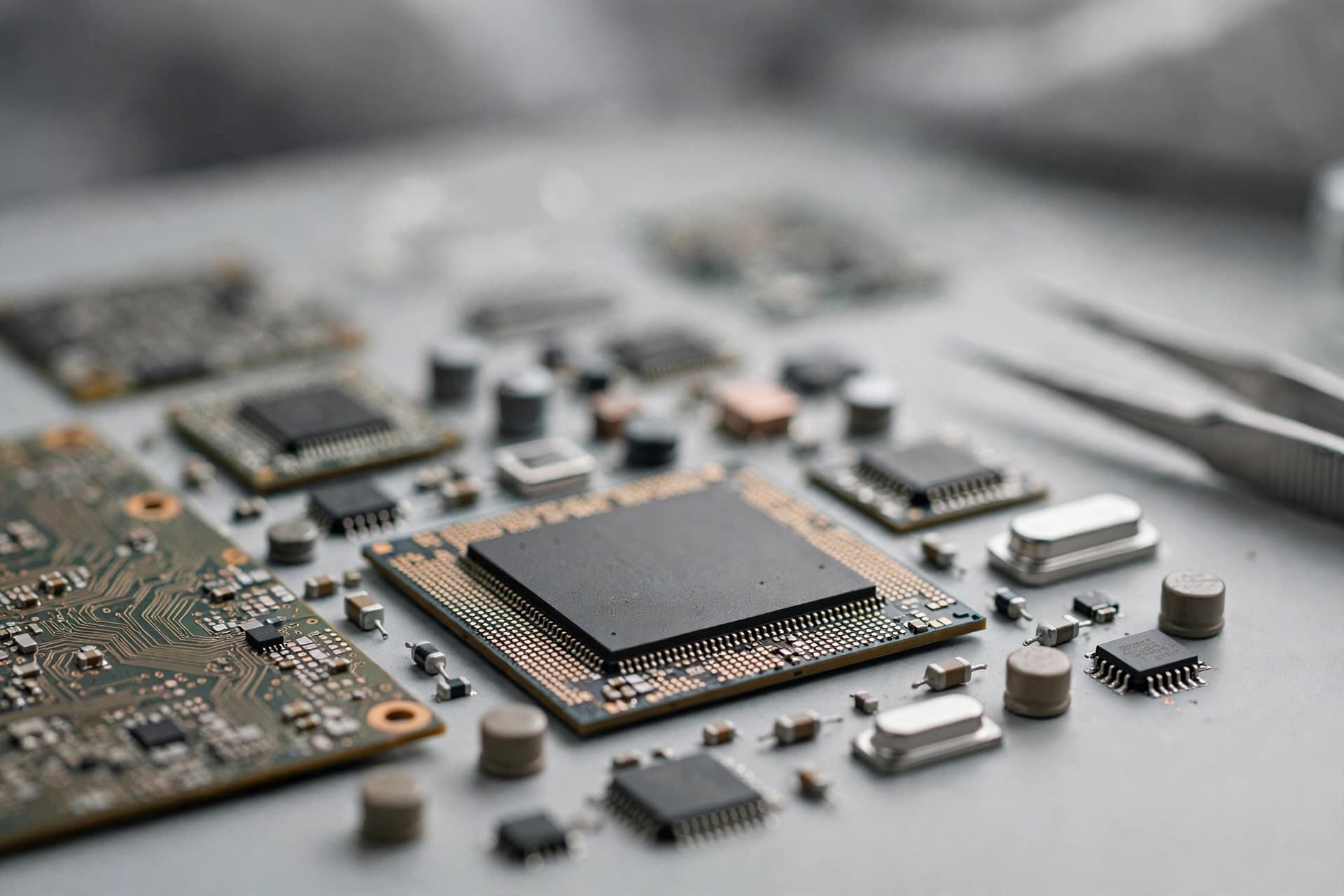
AI Image Disclaimer Visuals are created with AI tools and are not real photographs.
Sources Financial Times Reuters Politico Europe The Economist Bloomberg
Published by Banx Network. This article is part of the Banx decentralized media programme, powered by the BXE token on the XRP Ledger.