For decades, astronomers have told a simple cosmic story. Somewhere around every star lies a quiet ring — not too hot, not too cold — where water can remain liquid and life might quietly begin. It became known as the “Goldilocks Zone,” a phrase borrowed from a children’s tale but powerful enough to shape how scientists searched the universe for neighbors.
In that story, Earth sits comfortably inside this delicate band, like a traveler who happened to find the perfect distance from the fire. Too close and oceans would boil. Too far and they would freeze. The idea felt elegant, almost poetic: life requires balance, and the universe might hide other balanced worlds waiting to be found.
But the universe, as it often does, is beginning to complicate the narrative.
Over the past two decades, astronomers have discovered thousands of exoplanets — worlds orbiting distant stars. Many lie outside the classic Goldilocks Zone, yet some of them still appear capable of hosting environments where liquid water or other life-supporting conditions might exist. These discoveries are encouraging scientists to reconsider a question once thought simple: where should we really look for life?
Part of the reconsideration comes from closer observations within our own solar system. Moons like Europa and Enceladus orbit far beyond the Sun’s traditional habitable zone, where sunlight alone could never warm their surfaces. Yet beneath their icy shells may lie vast oceans kept liquid by internal heat and gravitational tides. If life could arise in such hidden seas, the search for habitability may extend far beyond a narrow band around a star.
New research also suggests that planetary atmospheres, geological activity, and radiation environments can be just as important as distance from a star. A planet might orbit within the classic habitable zone yet still be hostile if its atmosphere disappears or its star bombards it with intense radiation. Meanwhile, worlds outside that zone might maintain warm subsurface oceans through geothermal heat, chemical reactions, or tidal forces.
Astronomers are also discovering that different types of stars create different conditions for habitability. Some stars slightly cooler than the Sun, known as K-dwarfs, may offer more stable environments for billions of years, potentially giving life more time to develop. Other systems might even support habitable conditions around unusual stellar remnants, such as white dwarfs, though these ideas are still under investigation.
All of this suggests that the Goldilocks Zone may be less of a rigid boundary and more of a guideline — a starting point rather than a final answer. The search for life may not revolve around a simple ring of distance, but around a much broader interplay of chemistry, radiation, planetary geology, and time.
In many ways, this shift reflects a familiar pattern in science. A concept that once simplified the cosmos gradually evolves as new discoveries appear. What began as a helpful map for exploration is slowly becoming a more complex landscape.
Astronomers are not abandoning the Goldilocks Zone entirely. Instead, they are learning to see it as one piece of a much larger puzzle. As telescopes grow more powerful and missions like the James Webb Space Telescope continue studying distant worlds, researchers hope to examine atmospheres, chemistry, and environmental conditions more closely than ever before.
For now, the search continues — not just within a narrow ring of warmth, but across a universe that may offer many different paths for life to emerge.
And somewhere among those distant possibilities, the next discovery may quietly reshape the map again.
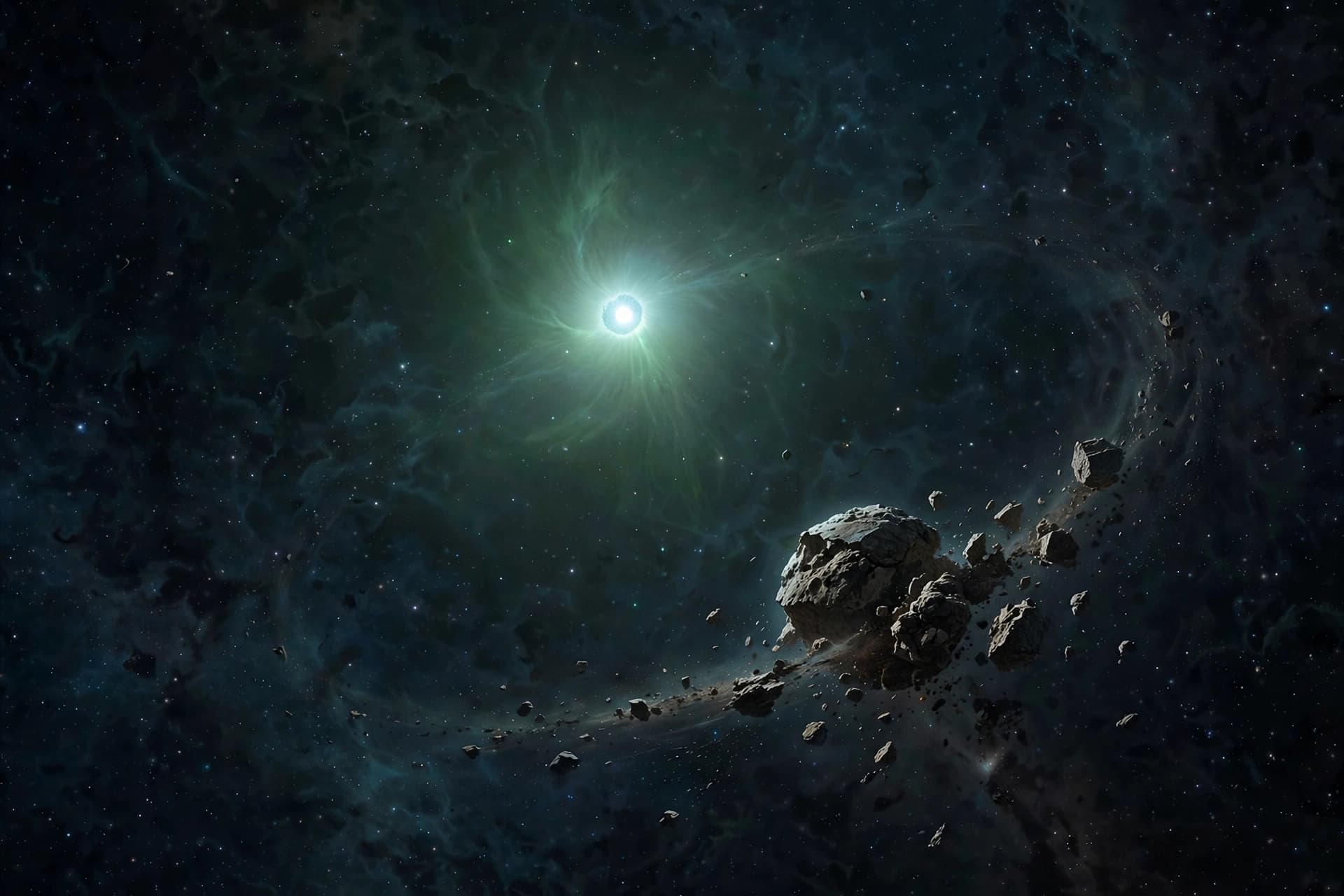
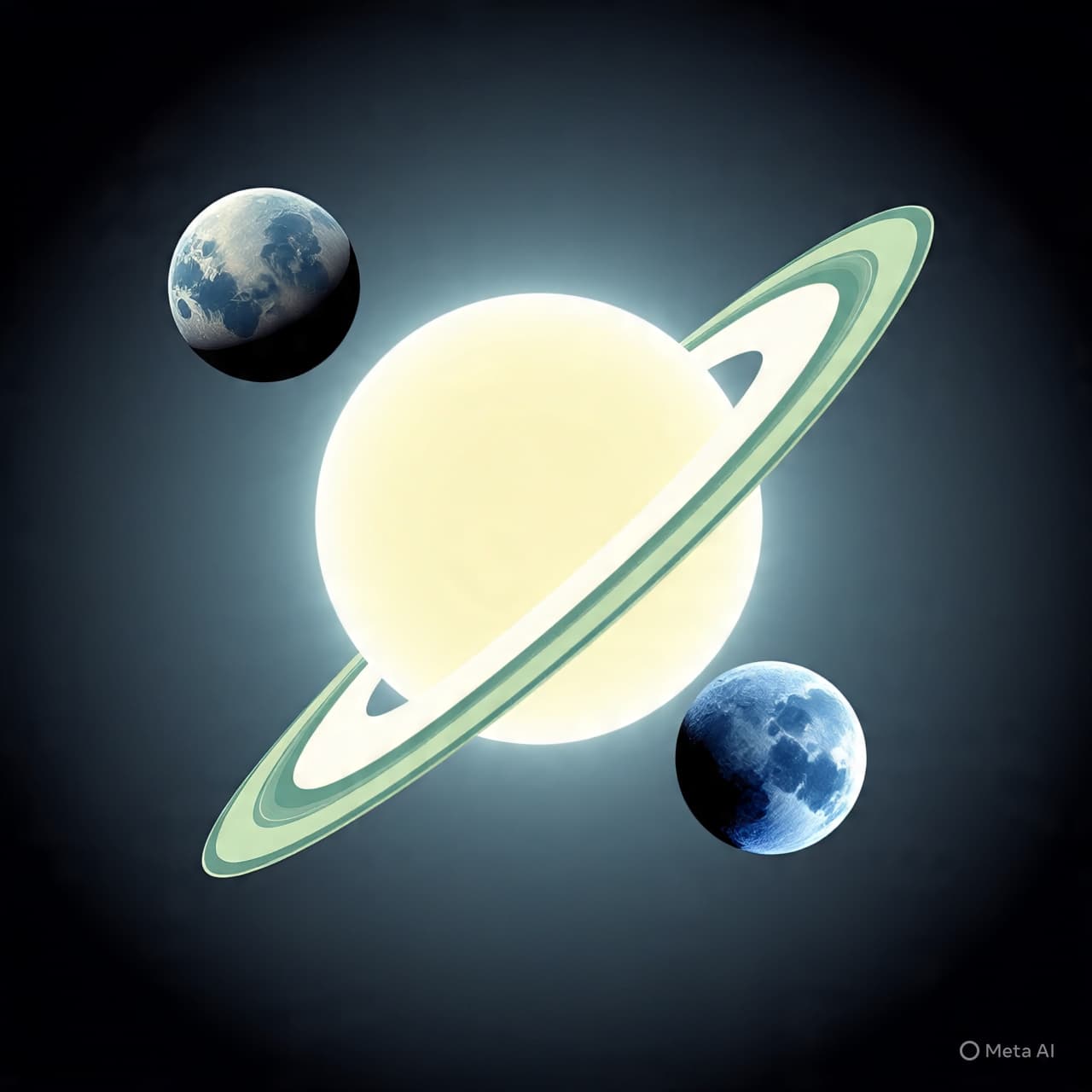
AI Image Disclaimer Illustrations were produced with AI and serve as conceptual depictions rather than real astronomical photographs.
Source Check (Credible Media Found) NASA Space.com Astronomy Magazine ScienceDaily The Washington Post
Published by Banx Network. This article is part of the Banx decentralized media programme, powered by the BXE token on the XRP Ledger.