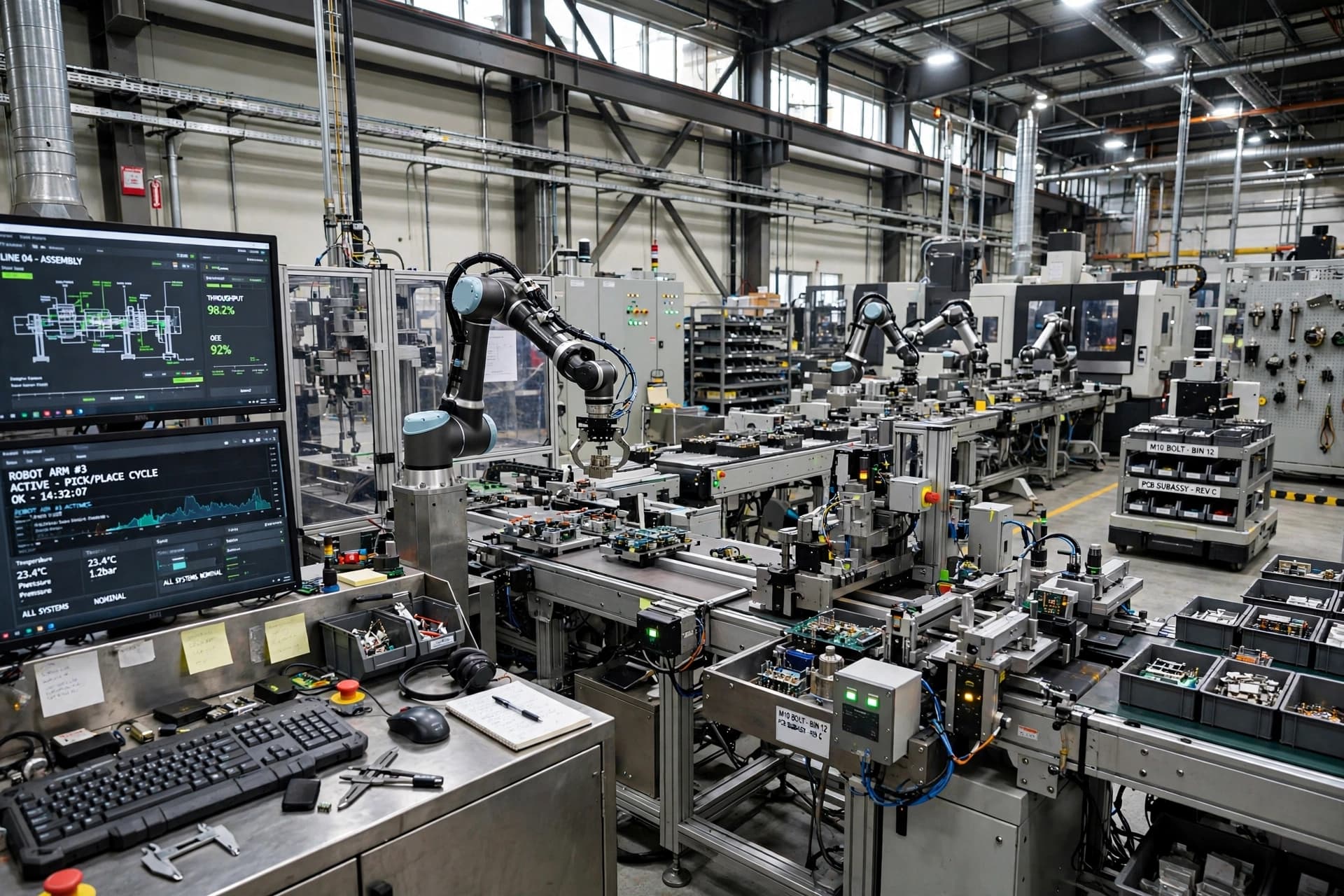
For years, the stock market has spun around a familiar constellation: seven tech giants whose influence seemed almost gravitational. Collectively known as the Magnificent 7—Nvidia, Alphabet, Microsoft, Apple, Amazon, Meta, and Tesla—these companies drove indices, headlines, and investor optimism. Their outsized gains masked broader economic realities, creating a market narrative where a few stars carried the weight of the whole galaxy. Yet now, subtle shifts suggest that this dominance, once taken for granted, is beginning to waver.
The past year has seen many of the Magnificent 7 underperform the broader S&P 500, while only standout performers like Alphabet and Nvidia posted notable gains. Early 2026 data hint at a continuation of this trend: as key indices rise, the Magnificent 7 index lags behind, signaling a transition from concentration to dispersion. Investors are beginning to notice that growth is no longer dictated solely by mega-cap tech, but is emerging from a wider range of companies and sectors.
This moment is reminiscent of other periods in market history when concentrated power gave way to broader participation. It evokes images of a stage where supporting actors step into the spotlight once reserved for headliners, revealing resilience and opportunity in corners of the market previously overlooked. Consumer stocks, defense companies, and industrials are now contributing to overall gains, while the tech giants, long seen as invincible, face both price corrections and slower growth trajectories.
The implications extend beyond the numbers. Portfolio managers, strategists, and even retail investors are adjusting expectations. The market is increasingly stock-specific rather than index-driven, encouraging diversified thinking and reducing systemic risk associated with heavy concentration. Meanwhile, indices themselves reflect a higher turnover rate, with new entrants gaining influence more quickly, signaling a healthy circulation of market leadership.
For the average investor, these trends offer both caution and optimism. The days when a handful of tech giants could dominate headlines, earnings, and portfolio performance may be giving way to a more balanced and nuanced market landscape. At the same time, the cracks in dominance highlight the risks inherent in concentrated growth—reminding us that markets are ecosystems, not monoliths. The stars can shine brightly, but the constellation, as a whole, tells a more complex story.
As investors look ahead, the market seems to be embracing a new rhythm—one that values broader participation, sectoral diversity, and measured growth. The Magnificent 7 will likely remain influential, but their reign as singular market leaders may be evolving into a more distributed, resilient, and reflective market ecosystem.
AI Image Disclaimer Illustrations were produced with AI tools and serve as conceptual depictions, not actual photographs.
Sources Bloomberg — Magnificent 7’s Stock Market Dominance Shows Signs of Cracking Star Tribune — The economy is dragging, but the stock market is thriving. Why? Kiplinger — Nasdaq takes a hit as the tech trade falters: Stock Market Today Yahoo Finance — The average S&P 500 company is spending less time in the index
Published by Banx Network. This article is part of the Banx decentralized media programme, powered by the BXE token on the XRP Ledger.