Forests are often perceived as timeless entities, ancient guardians that have stood watch over the landscape for centuries. Yet, in southwestern France, the heart of the current wildfire crisis beats within a woodland that is surprisingly modern in its origins. The Landes de Gascogne, a vast pine forest that serves as the epicenter of the raging blazes, was not formed by nature’s slow hand but by the deliberate design of Emperor Napoleon III in the 19th century. This historical irony adds a layer of complexity to the disaster, reminding us that even human-engineered ecosystems are vulnerable to the intensifying forces of climate change.
The fires, which have consumed tens of thousands of hectares, are tearing through a monoculture of maritime pines planted to stabilize sandy soils and drain marshlands. While this afforestation project was a triumph of engineering in its time, creating one of the largest artificial forests in Europe, it has also created a landscape highly susceptible to rapid fire spread. The uniform age and species of the trees, combined with dry underbrush, act as kindling in the face of record-breaking heatwaves and drought conditions.
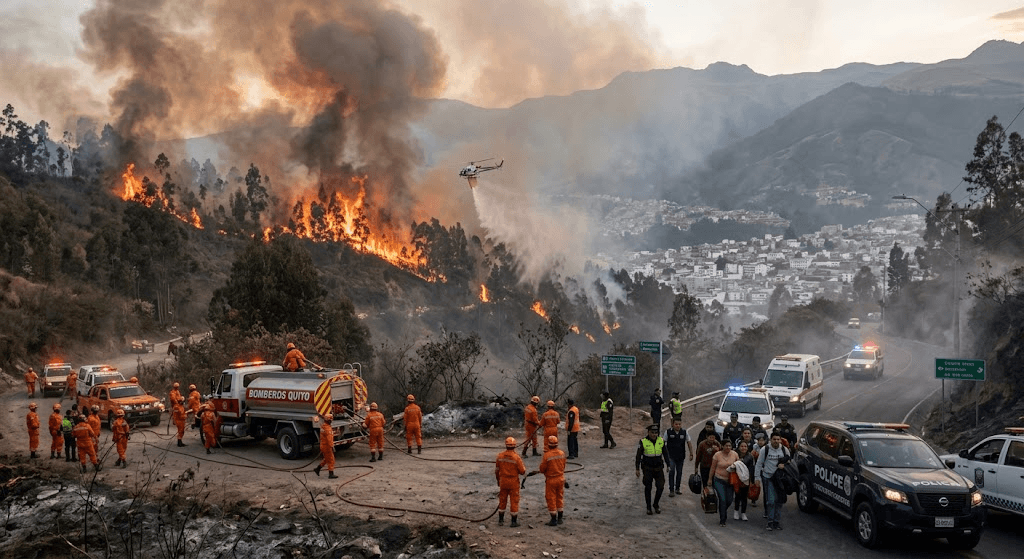
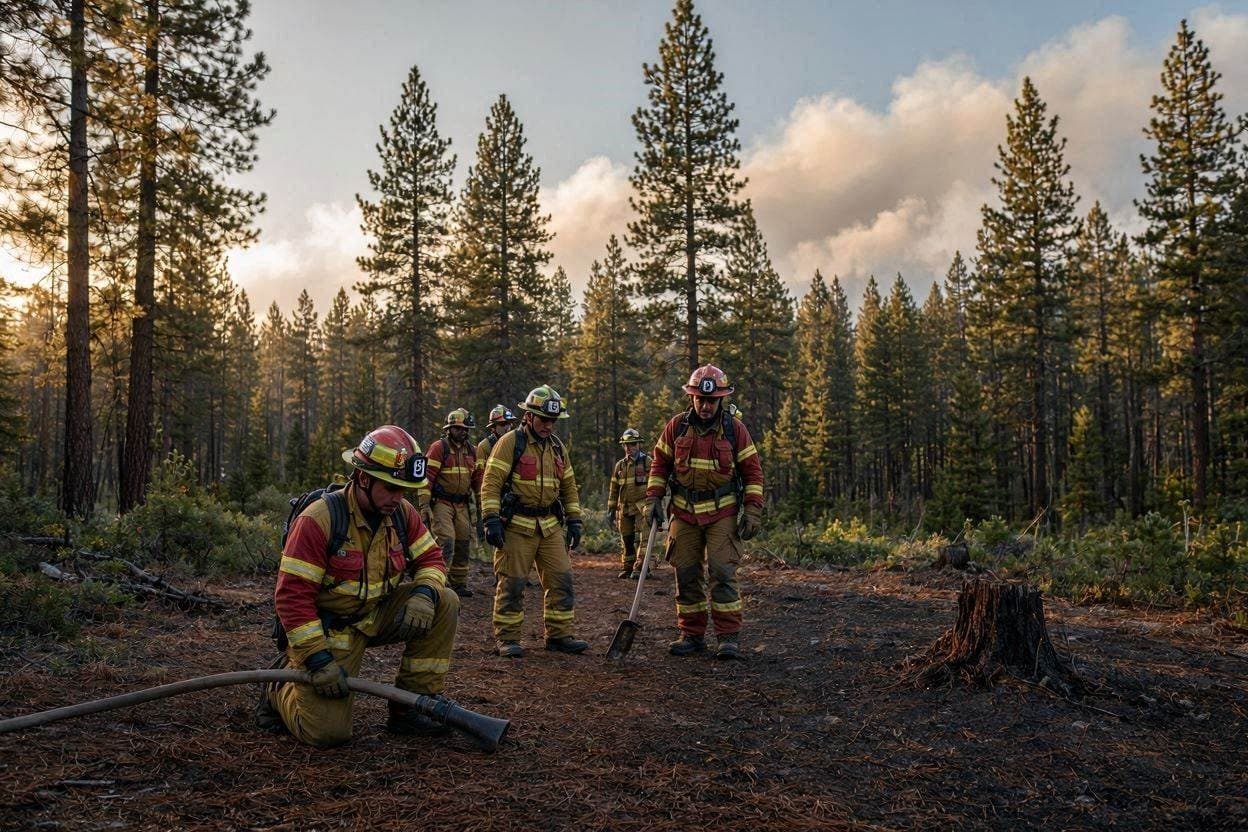
Firefighters from across Europe have joined their French counterparts in a desperate battle to contain the flames. Water-dropping aircraft circle the sky, while ground crews work tirelessly to create firebreaks and protect nearby communities. The scale of the operation is immense, reflecting the severity of the threat posed by these wildfires, which have forced the evacuation of thousands of residents and tourists alike. The smoke plumes, visible from space, serve as a stark indicator of the environmental toll.
Climate scientists point to the changing weather patterns as a primary driver of the intensity. Higher temperatures and prolonged periods without rain have turned the forest into a tinderbox, making traditional firefighting methods less effective. The phenomenon of "fire clouds," or pyrocumulus clouds, has been observed, indicating the extreme heat and energy released by the burns. These atmospheric disturbances can further complicate firefighting efforts by generating erratic winds and lightning.
The economic impact on the region is significant, affecting the timber industry, tourism, and local agriculture. Many families who have lived in the area for generations are facing the loss of their homes and livelihoods. The emotional distress is palpable, as communities grapple with the uncertainty of recovery and the fear of future incidents. Support networks are mobilizing to provide aid and comfort to those displaced by the disaster.
In response, French President Emmanuel Macron has spoken of the need for a new approach to forest management. This includes diversifying tree species to create more resilient ecosystems and implementing stricter controls on human activity in high-risk areas. The government is also investing in advanced detection systems and firefighting technology to improve response times. These measures aim to balance ecological preservation with public safety.
The role of human error cannot be overlooked, as investigations suggest that many of the fires were started accidentally or intentionally. Public awareness campaigns are being intensified to educate visitors and residents about the dangers of careless behavior in dry conditions. The message is clear: in a changing climate, vigilance is everyone’s responsibility.
As the fires continue to burn, the plight of the Landes forest serves as a poignant reminder of the interplay between human intervention and natural forces. The path forward requires not just extinguishing flames but reimagining how we coexist with our environment in an era of global warming.
AI Image Disclaimer: The visuals accompanying this article are AI-generated illustrations designed to represent the themes of wildfire management and historical forestry.
Sources: CBC News, Le Monde, Al Jazeera, Fox News
Published by Banx Network. This article is part of the Banx decentralized media programme, powered by the BXE token on the XRP Ledger.