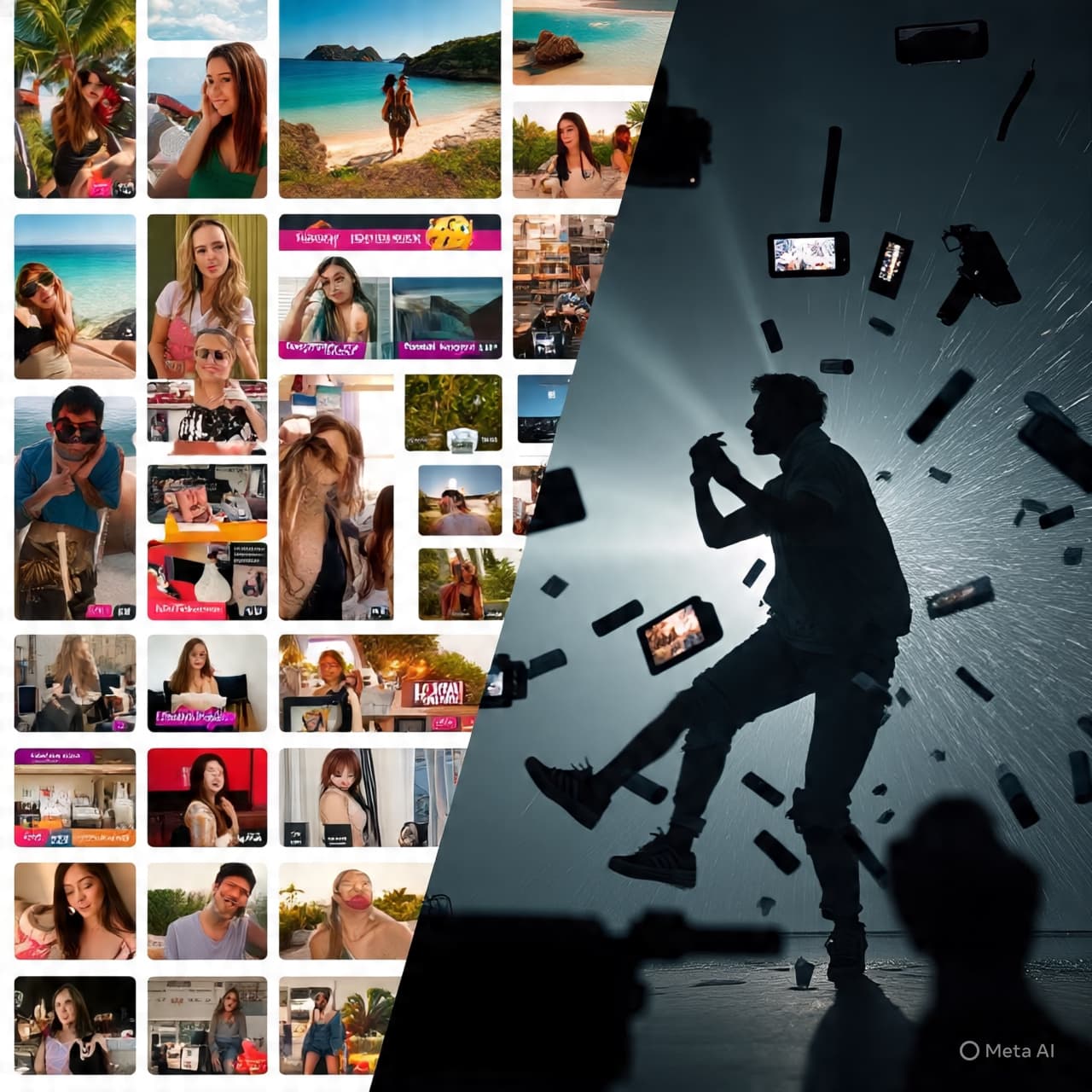
For more than a decade, Instagram was defined by a certain look. Carefully framed photos. Soft lighting. Perfect symmetry. A visual language so recognizable it reshaped how people traveled, ate, dressed, and even lived. That aesthetic didn’t just dominate social media — it became a cultural standard.
Now, according to Instagram’s leadership, that era is over.
The platform’s head has acknowledged what many users have already sensed: the curated, aspirational aesthetic that once defined Instagram no longer drives engagement. In its place is something faster, looser, and far less polished — a shift accelerated by artificial intelligence and the changing way people consume content.
At the heart of this transformation is scale. AI-driven recommendation systems now prioritize volume, velocity, and relevance over visual perfection. Content that feels spontaneous, imperfect, or even chaotic often travels further than meticulously edited images ever did. The algorithm favors what keeps people watching, not what looks best on a grid.
This shift has quietly dismantled the old social hierarchy of the platform. The influencers who once built careers on visual consistency now compete with creators who post raw, unfiltered clips in rapid succession. Authenticity, or at least the appearance of it, has replaced aesthetic polish as the dominant currency.
Artificial intelligence has accelerated this transition. Automated editing tools, generative visuals, and algorithmic amplification have lowered the barrier to creation while flooding the platform with content. In that environment, perfection loses its edge. What matters more is speed, relatability, and emotional resonance — even if the result looks messy.
The change reflects a broader cultural pivot. Audiences are increasingly skeptical of idealized lifestyles and glossy presentation. They respond more readily to content that feels human, spontaneous, and unrefined. In many ways, the fall of the “Instagram look” mirrors a wider fatigue with digital perfection itself.
For Instagram, this evolution is both strategic and necessary. Competing with short-form video platforms has required abandoning the aesthetics that once defined its identity. The app that once taught the world how to pose now rewards those who don’t seem to try at all.
The death of the old aesthetic does not mean the end of creativity. It marks a shift in what creativity looks like in the age of algorithms — less about polish, more about presence. As AI reshapes how content is made and discovered, the future of visual culture may belong not to the perfectly composed image, but to the one that feels most alive.
Published by Banx Network. This article is part of the Banx decentralized media programme, powered by the BXE token on the XRP Ledger.