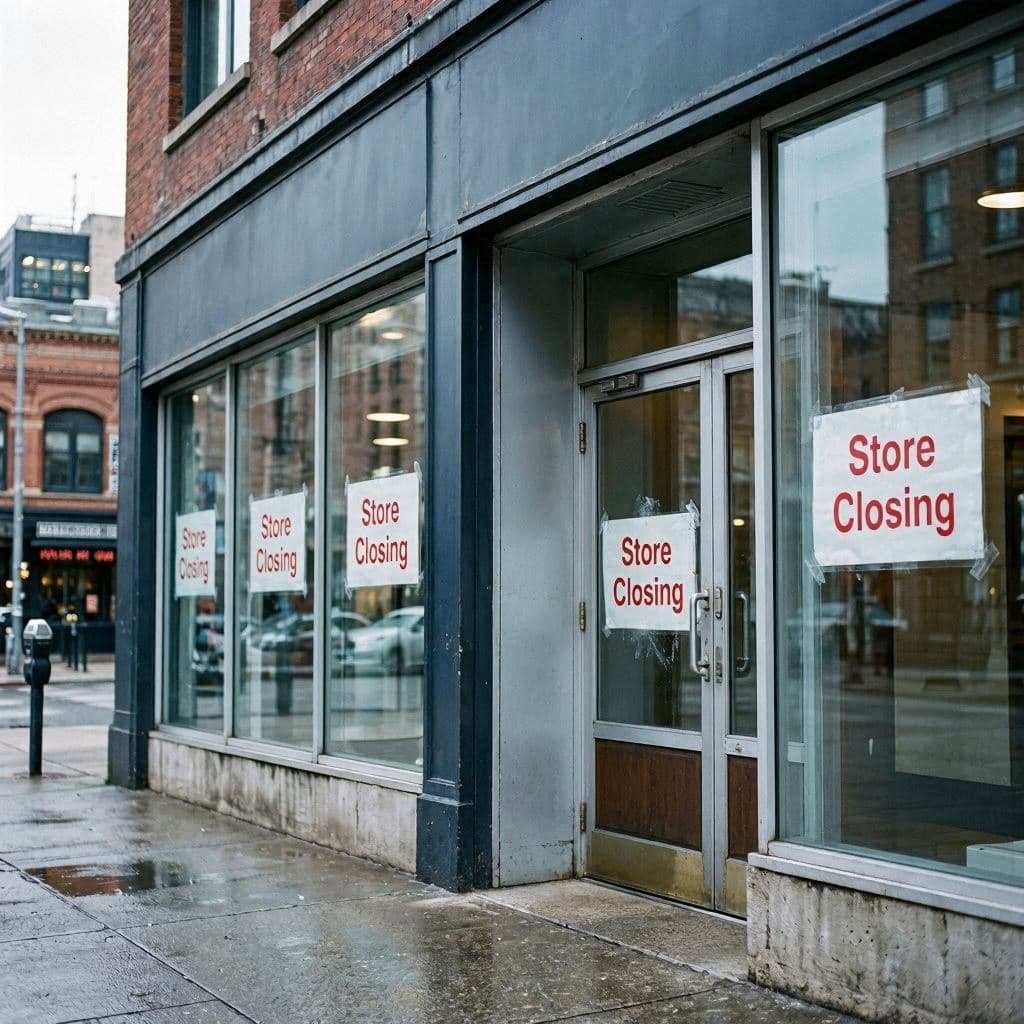
In the bustling retail district of Vancouver, where consumer habits are shifting and urban landscapes evolve, a familiar landmark is preparing to say goodbye. A major Canadian sports retailer has announced the closure of its massive downtown location, citing changing market dynamics and strategic realignment. The news has sparked a mix of nostalgia and practicality among shoppers, who are flocking to the store for final deals. For the city, it is a reminder of the fluid nature of commerce and the impact of digital transformation on physical spaces.
The closure reflects broader trends in the retail sector, where brick-and-mortar stores face increasing pressure from e-commerce and changing consumer preferences. It invites reflection on how cities adapt to these shifts and what replaces the void left by large anchor tenants.
Body: The retailer, which has been a staple for sports enthusiasts in Vancouver for years, cited high operational costs and a shift toward online sales as key factors in the decision. The massive footprint of the downtown store, while once a draw for foot traffic, has become less viable in a post-pandemic economy where remote work and digital shopping are more prevalent.
Employees at the location have been notified of the closure, with the company offering support for transitions to other stores or roles within the organization. The loss of jobs, while mitigated by internal transfers, is still felt by the local workforce. Community members have expressed sympathy for the staff, who have served customers with dedication and expertise.
Shoppers are taking advantage of the "store closing sale," seeking discounts on equipment, apparel, and accessories. The atmosphere is one of urgency mixed with sentimentality, as many recall past purchases and memories associated with the store. For some, it is a last chance to see the physical space before it is repurposed.
The vacancy of such a large retail space presents both a challenge and an opportunity for property developers. In a city where housing affordability is a critical issue, there is growing interest in converting commercial properties into residential or mixed-use developments. The future of the site remains uncertain, but speculation abounds.
Local businesses in the vicinity may feel the ripple effects of the closure. Reduced foot traffic can impact neighboring cafes, restaurants, and shops that rely on the spill-over from major retailers. Community leaders are discussing ways to support the area during the transition and attract new tenants.
The retailer’s decision is part of a national strategy to optimize its store network. By closing underperforming locations and investing in digital platforms, the company aims to remain competitive in a rapidly changing market. This approach is common among legacy brands seeking to balance tradition with innovation.
For Vancouver, the closure is a sign of the times. The city’s retail landscape is evolving, with a greater emphasis on experiences and services rather than just goods. While the loss of a major store is notable, it also opens the door for new concepts and community-focused initiatives.
As the final days of operation approach, the focus remains on serving customers and supporting employees. The retailer has promised a smooth closure process, ensuring that gift cards and warranties are honored. It is a final gesture of respect to a loyal customer base.
Closing: The closure of the massive sports retailer in Vancouver marks the end of an era for downtown retail. It highlights the ongoing transformation of the sector and the need for adaptive strategies in a digital age.
AI Image Disclaimer: Images used in this report are AI-generated depictions intended to illustrate the themes of retail change and urban evolution.
Sources: Daily Hive Vancouver Vancouver Sun CTV News Vancouver Global News BC
Published by Banx Network. This article is part of the Banx decentralized media programme, powered by the BXE token on the XRP Ledger.