1. The AI Revolution Has an Electricity Problem
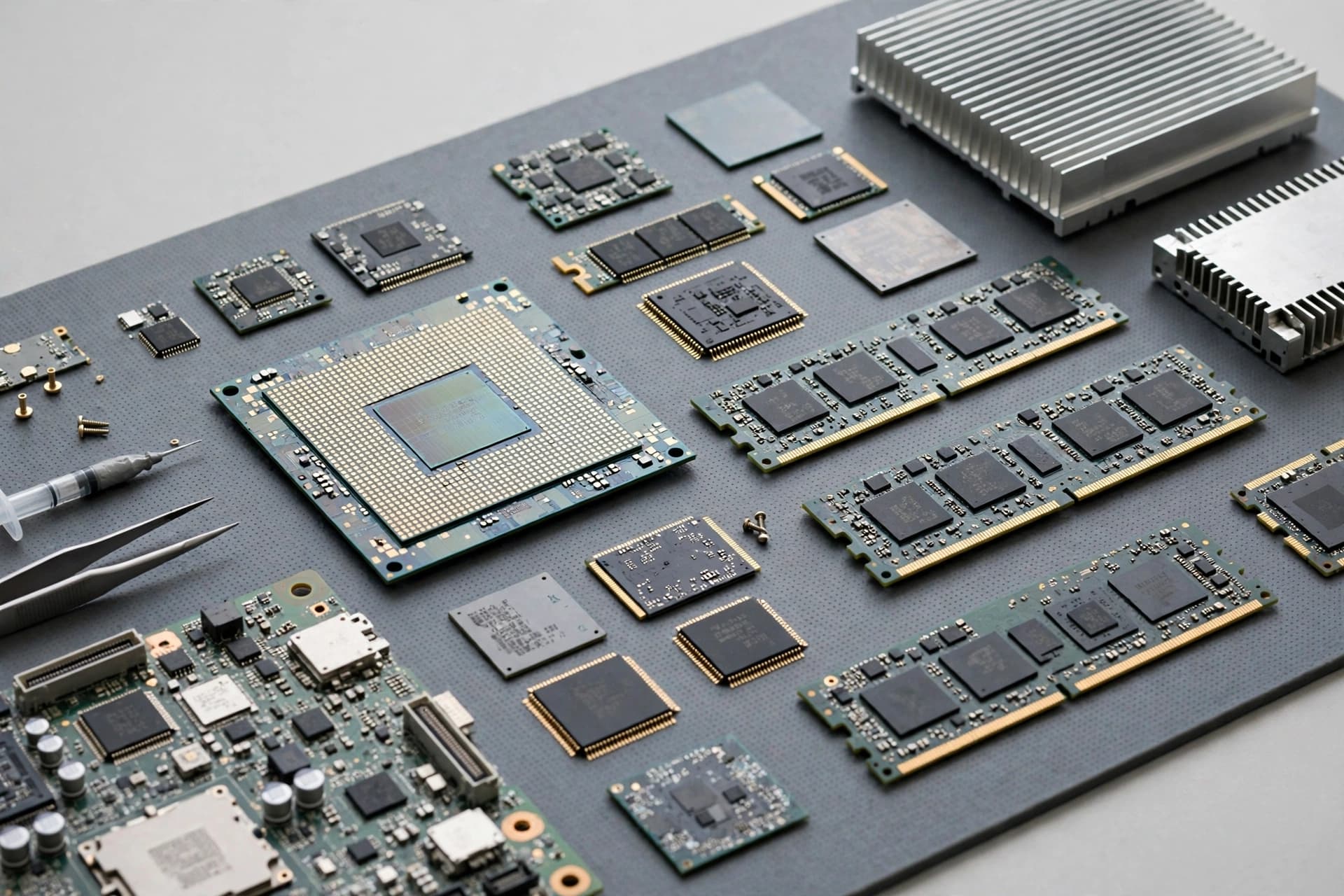
Artificial intelligence is transforming how businesses operate, how people access information and how companies develop new products. Behind every AI chatbot, image generator and advanced computing system, however, sits an enormous network of physical infrastructure.
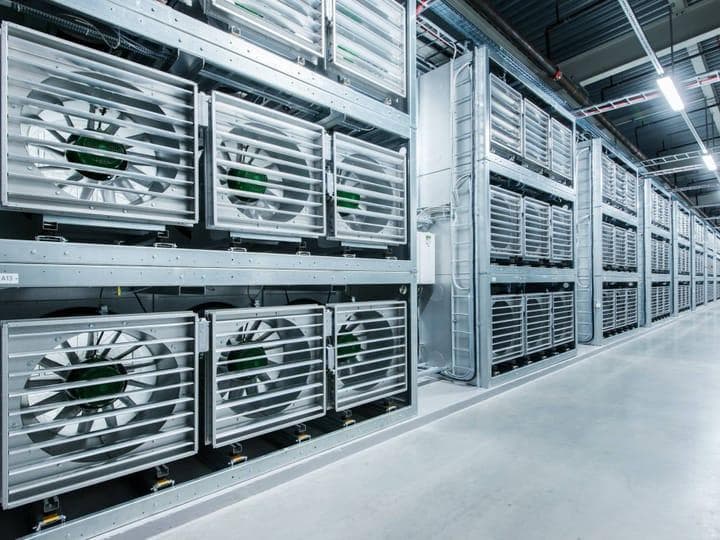
Data centres house the servers that train and operate AI models. These machines require electricity to perform calculations, while cooling systems consume additional power to prevent equipment from overheating.
As AI systems become more sophisticated and widely used, technology companies are investing billions in expanding their computing capacity. Yet building a data centre is only part of the challenge. Developers must also secure electricity connections, obtain essential equipment and ensure that the local power network can support the additional demand.
The International Energy Agency (IEA) estimates that global data centre electricity consumption could rise from approximately 485 terawatt-hours (TWh) in 2025 to around 950 TWh by 2030. That would represent nearly a doubling in just five years. Electricity consumption from AI-focused data centres is projected to grow even faster. [1]
The implications extend beyond the technology industry. Electricity networks must also accommodate electric vehicles, heat pumps, industrial electrification and new housing developments.
The result is a growing race to expand power generation and upgrade the infrastructure that delivers electricity to homes and businesses.
The central question is whether governments and energy companies can build that infrastructure quickly enough — without driving up costs for consumers or undermining energy security.
2. Britain's Data Centre Backlog Is a Warning Sign
The United Kingdom is already confronting the consequences of rapidly rising electricity connection requests.
According to a written parliamentary answer published in September 2026, approximately 72.8 gigawatts (GW) of capacity had been allocated to data centres across Great Britain's electricity connection queues, based on data collected by the National Energy System Operator (NESO). Some proposed connection dates extend into the late 2030s. [2]
To put that figure into perspective, 72.8 GW is a measure of requested or allocated connection capacity, not the amount of electricity data centres are currently consuming. Nor does it mean every project in the queue will ultimately be built.
Nevertheless, the scale of the applications highlights the pressure facing the electricity system.
A data centre can be ready to construct its buildings and install its servers but remain unable to operate because the necessary grid connection is unavailable. Upgrading substations, building transmission infrastructure and installing high-voltage equipment can take years.
The problem is particularly significant because data centres are competing for network capacity with other projects that also need electricity, including factories, housing developments and low-carbon energy infrastructure.
In response, the government and regulators have been working on reforms designed to prioritise viable projects and reduce speculative applications that occupy places in connection queues. [3]
Britain's challenge is therefore not simply generating more electricity. It is determining which projects genuinely need capacity, where that capacity is available and how quickly the network can be expanded.
3. The World Is Running Short of More Than Electricity
The electricity bottleneck is not just about power stations or transmission lines. The equipment required to expand the grid is also under pressure.
On 22 October 2026, Reuters reported that cable manufacturing capacity was emerging as a constraint on AI data centre construction. Nexans, a major cable manufacturer, warned that demand for low- and medium-voltage cables was putting pressure on available production capacity. Expanding manufacturing capacity for certain specialised cables can take up to three years. [4]
Cables are essential for transmitting electricity within data centres and connecting facilities to power infrastructure. Without them, a site cannot be fully equipped, even if its buildings and computing hardware are ready.
Transformers present another challenge. These devices change voltage levels so electricity can be transmitted efficiently and delivered safely to different users. High-voltage transformers are particularly important when connecting large facilities to the transmission network.
Reuters reported in July 2026 that utilities and developers were competing to secure grid equipment as AI-related construction increased demand and extended delivery times. Some high-voltage transformer orders were facing lead times of multiple years. [5]
These constraints create a chain reaction.
A delayed transformer can postpone a grid connection. A delayed connection can hold back a data centre opening. A delayed opening can affect the timing of customer contracts and the revenue expected from a major investment.
The AI industry has become accustomed to competing over advanced chips, computing capacity and skilled engineers. Increasingly, it must also compete for the physical equipment needed to deliver electricity.
4. Could AI Make Electricity More Expensive?
One of the most important questions is whether the expansion of data centres will increase electricity bills for households and businesses.
The answer depends on where new facilities are built, how their electricity is supplied, how much infrastructure must be upgraded and how the associated costs are allocated.
When a large new customer connects to a constrained network, additional investment may be required in substations, cables, transmission lines and other equipment. If demand grows faster than infrastructure capacity, local electricity markets can become tighter and the cost of securing power may rise.
However, higher data centre demand does not automatically mean every household will face higher bills. The impact varies by electricity market and regulatory structure. New generation, improved network capacity and flexible demand management can help reduce pressure.
There may also be economic benefits. Data centres can attract investment, create jobs, support digital services and increase demand for electricity generation. If their owners fund appropriate infrastructure and projects are planned effectively, they can contribute to economic growth.
The difficulty is ensuring that the costs and benefits are distributed fairly.
Consumers could reasonably question whether they should bear the cost of network upgrades primarily required to serve highly profitable technology companies. Regulators must balance the need to support investment with the responsibility to protect existing customers.
In the United States, concerns about speculative data centre demand have already prompted regulatory action. Reuters reported in September 2026 that Texas had halted new grid connections for data centres while examining applications, after electricity requests from large users across several US regions reached levels far beyond estimates of current data centre consumption. [6]
The episode highlights an important distinction: proposed electricity demand is not the same as genuine, funded demand. Better planning is essential to avoid building infrastructure around projects that never materialise.
5. Why AI Data Centres Need So Much Power
AI workloads can be particularly energy-intensive because they involve large numbers of specialised processors performing calculations in parallel.
Training a large AI model can require substantial computing resources over an extended period. Once a model is deployed, answering user requests also consumes electricity, and demand can increase as millions of people and businesses use AI services.
The power requirements are not limited to the processors themselves. Servers generate heat, requiring cooling equipment to maintain safe operating temperatures. Data centres also need networking systems, storage, backup power and other supporting infrastructure.
As computing hardware becomes more powerful, the amount of electricity required by individual server racks can rise substantially.
The IEA has highlighted how advanced AI infrastructure is pushing power density beyond the levels associated with many traditional data centre designs. It has also identified bottlenecks across electricity supply, grid connections, manufacturing capacity and computer chips as growing constraints on the AI industry. [1]
This creates a difficult planning problem.
Data centre developers must estimate future demand before their facilities are operational. Yet AI technology, customer adoption and the efficiency of computing hardware can change rapidly.
If forecasts underestimate demand, infrastructure may be insufficient. If they overestimate it, utilities may invest in expensive capacity that remains underused.
The industry therefore needs better forecasting, more realistic project commitments and closer coordination between technology companies, energy providers and governments.
6. Can Renewable Energy Solve the Problem?
Renewable energy will be an important part of the solution, but expanding wind and solar generation alone will not resolve every electricity bottleneck.
Wind and solar can supply large amounts of low-carbon electricity, helping data centre operators reduce their dependence on fossil fuels. Long-term electricity purchasing agreements can also help developers support new generation projects.
However, renewable output varies with weather and time of day. A data centre requires reliable power around the clock, so operators must consider how to match electricity demand with available supply.
Several approaches can help.
Energy storage: Batteries can store electricity when supply is abundant and release it when demand rises or renewable output falls.
Grid expansion: New transmission lines and upgraded substations can move electricity from generation sites to areas with growing demand.
Flexible computing: Some non-urgent workloads can be scheduled for periods when electricity is cheaper or more plentiful.
Diversified generation: Renewable power can be combined with other sources, depending on local energy policy, availability and system requirements.
Efficiency improvements: More efficient processors, cooling systems and software can reduce the electricity needed for particular tasks.
Some operators are also exploring dedicated power supplies or on-site generation to reduce their dependence on constrained grid connections. However, these arrangements require careful consideration of cost, reliability, emissions and permitting.
The objective is not simply to produce more electricity. It is to create an energy system that can deliver sufficient power at the right location and time.
7. Nuclear Power Returns to the Technology Debate
The AI electricity boom has renewed interest in nuclear power as a source of low-carbon electricity that can operate regardless of whether the sun is shining or the wind is blowing.
Technology companies are exploring arrangements involving existing nuclear plants, proposed new reactors and small modular reactor technologies. The attraction is straightforward: large data centres may need dependable supplies of electricity for decades, while nuclear facilities can potentially provide continuous generation with low operational carbon emissions.
However, nuclear power is not a quick fix for immediate grid constraints.
New nuclear projects can require lengthy planning, regulatory approvals, financing and construction. Small modular reactors may eventually offer different deployment options, but their commercial scale, costs and delivery schedules still need to be demonstrated across projects.
Even if a data centre secures a long-term nuclear electricity agreement, it still needs suitable transmission infrastructure to deliver that electricity to the site unless the facility has an appropriate direct supply arrangement.
The same principle applies to other generation sources. A new power station does not automatically solve a local connection problem if the network cannot transport its output where it is needed.
For the near term, the electricity challenge will require a combination of measures: improving existing infrastructure, accelerating viable generation projects, strengthening networks and managing demand more effectively.
Nuclear power could form part of the longer-term response, but it cannot replace the immediate need to upgrade the wider electricity system.
8. The Business Opportunities Behind the Bottleneck
The electricity shortage is creating potential opportunities across several industries.
Energy companies may benefit from demand for additional generation and storage. Grid operators and engineering firms could see increased investment in transmission lines, substations and network upgrades. Manufacturers of transformers, switchgear, cables and other electrical equipment may also benefit from stronger demand.
Battery storage is another area to watch. As electricity systems accommodate more variable renewable generation and larger industrial loads, storage can help shift electricity between periods of supply and demand.
Software providers may also benefit by helping businesses forecast consumption, manage cooling systems and optimise when electricity-intensive workloads run.
For investors, however, increased demand does not automatically translate into higher profits. Manufacturers may need to invest heavily to expand production, while infrastructure projects can face permitting delays, cost overruns and supply-chain disruption.
Valuations can also rise ahead of actual earnings, creating risks if market expectations become excessive.
The strongest opportunities may belong to businesses that can demonstrate real orders, pricing power, reliable delivery and the ability to expand production profitably.
Investors should also distinguish between companies directly supplying essential infrastructure and those whose valuations depend mainly on expectations of future AI growth.
The electricity bottleneck may create a new investment theme, but it remains important to examine the financial fundamentals behind individual companies.
9. Could the Power Problem Slow the AI Boom?
The expansion of AI depends on more than software development and semiconductor production. It also depends on whether the physical infrastructure can support additional computing capacity.
The IEA has warned that bottlenecks across electricity systems and other parts of the AI supply chain are reducing the likelihood of the most aggressive near-term growth scenarios. It also notes that data centre investment and electricity demand are sensitive to financing conditions and expectations about future returns from AI. [1]
If power connections are delayed, technology companies may need to postpone facilities, relocate projects or spend more on alternative electricity arrangements.
That could affect the timing of AI services, cloud computing capacity and the revenue expected from new infrastructure.
However, a slowdown in some projects would not necessarily mean the AI industry had reached its limits. Developers could improve energy efficiency, prioritise the most valuable workloads and concentrate investment in regions with available electricity.
Advances in chips and software may also reduce the amount of energy required for certain tasks, although efficiency gains can be partly offset if cheaper computing encourages more usage.
The more realistic risk is that electricity availability becomes a factor determining where and how quickly AI infrastructure expands.
In other words, the future of AI may increasingly depend on the availability of physical resources rather than technological ambition alone.
10. What Governments Must Do Next
Governments face a difficult balancing act.
They want to attract AI investment, support economic growth and maintain international competitiveness. At the same time, they must protect energy security, manage consumer costs and ensure that electricity infrastructure can serve households and existing businesses.
In the UK, the government and regulators have acknowledged that the electricity connection queue has become oversubscribed. Proposed reforms seek to reduce speculative applications and prioritise projects that are viable and strategically important. [2][3]
But queue reform is only one part of the answer.
Governments and energy providers also need to accelerate necessary network investment, improve coordination between generation and demand, and ensure that critical equipment can be manufactured and delivered in time.
Planning processes must balance speed with environmental protections and meaningful consultation with affected communities. Electricity infrastructure can take years to build, making early coordination essential.
Policymakers should also establish transparent rules for how infrastructure costs are allocated between developers, network operators and other electricity customers.
Finally, data centre projects should be assessed on credible evidence of funding, construction readiness and genuine electricity requirements. This can help prevent speculative proposals from distorting infrastructure planning.
The goal should not be to prevent data centre growth. It should be to ensure that expansion occurs in a way that supports the wider economy rather than creating avoidable bottlenecks.
Conclusion: The Next AI Breakthrough May Be in the Power Grid
The AI revolution is creating enormous demand for computing infrastructure, but the physical systems supporting that growth are struggling to keep pace.
Britain's data centre connection backlog, international shortages of electrical equipment and growing pressure on electricity networks demonstrate that power availability is becoming a strategic issue for the technology industry.
The IEA's projection that global data centre electricity consumption could nearly double by 2030 illustrates the scale of the challenge. [1]
Solving it will require more than building additional power stations. Countries will need stronger grids, more dependable equipment supply chains, better demand forecasting, energy storage and a balanced mix of generation technologies.
For businesses, electricity availability could increasingly influence where facilities are built and how quickly they become operational. For consumers, the key question will be whether the investment required to support AI can be managed without placing unfair pressure on household bills.
For investors, the bottleneck may create opportunities in grid infrastructure, electrical equipment, storage and energy management — but commercial success will depend on execution, not hype.
The technology industry has spent years competing to build the most powerful AI models. Its next major challenge may be more fundamental: securing the electricity needed to run them.
AI may be built on code, chips and data. But without enough reliable power, the digital economy cannot scale.
Sources
[1] International Energy Agency (IEA) — Key Questions on Energy and AI: Executive Summary https://www.iea.org/reports/key-questions-on-energy-and-ai/executive-summary
[2] UK Parliament — Written Answer on Data Centre Electricity Grid Connections, 7 September 2026 https://questions-statements.parliament.uk/written-questions/detail/2026-09-02/26554
[3] Ofgem — Connect Update: Demand Connections Reform, 16 June 2026 https://www.ofgem.gov.uk/policy/connect-update-demand-connections-reform
[4] Reuters — Cable Capacity Emerges as Bottleneck for AI Data Centres, Nexans Says, 22 October 2026 https://www.reuters.com/technology/cable-capacity-emerges-bottleneck-ai-data-centres-nexans-says-2026-10-22/
[5] Reuters — US Power Companies Scramble to Secure Equipment as Surging Data Centre Demand Strains Supplies, 9 July 2026 https://www.reuters.com/
[6] Reuters — Texas' Halt on Powering Data Centres Reflects US Reckoning Over 'Ghost' Demand, 1 September 2026 https://www.reuters.com/business/texas-halt-powering-data-centers-reflects-us-ghost-demand-2026-09-01/
Category: Technology
Published by Banx Network. This article is part of the Banx decentralized media programme, powered by the BXE token on the XRP Ledger.