There are silences that speak louder than statements—the quiet that follows a question left unanswered, the pause before a commitment that never quite arrives. In the days before a nation pauses to remember what it has too often preferred to forget, one such silence has settled over Ottawa.
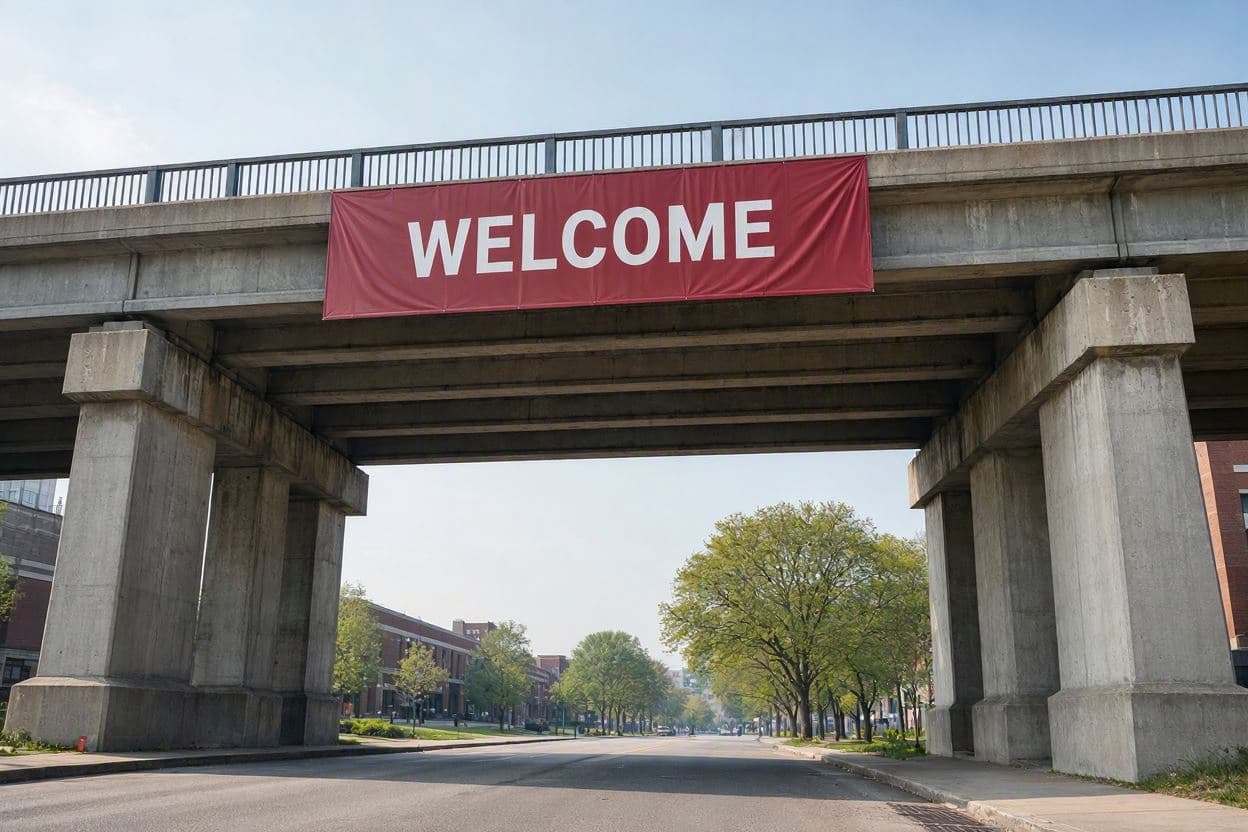
Indigenous Services Minister Mandy Gull-Masty was noncommittal when asked whether the federal government would criminalize residential school denialism, days after a group linked with white nationalism reportedly staged a demonstration in the British Columbia interior. The incident occurred in Kamloops, where masked individuals dropped a banner from an overpass questioning reports of human burials at former residential school sites .
Roseanne Casimir, chief of Tk'emlúps te Secwépemc First Nation, confirmed the demonstration took place on Sunday, just ahead of the National Day for Truth and Reconciliation—a day meant to honor the children who attended residential schools and to remember those who never came home .
More than 150,000 Indigenous children were forced to attend residential schools, the last of which closed in 1996. Thousands of children died in those institutions . These are not contested facts among historians; they are the documented record of a system designed to erase cultures and sever families.
NDP MP Leah Gazan has introduced a private member's bill that would criminalize as hate speech the condoning, denying, downplaying, or justifying of residential schools . Some First Nations chiefs have asked the Liberal government to introduce its own similar legislation—which would be more likely to pass—but Gull-Masty would not commit to that on Monday .
"We have to be led by community to ensure that the decisions we make is truly reflective of what they want to receive in terms of support," Gull-Masty said at an unrelated news conference in Ottawa . It is a position that respects consultation, yet leaves open the question of how long consultation can continue before the silence becomes its own kind of statement.
The federal government has allocated $5 million in its 2024 budget toward a national public education effort to address denialism, and Minister Rebecca Alty has stated that work is underway to reinforce the historical record . But when asked earlier this year why residential school denialism was not included in the government's hate speech legislation, Alty said the bill "hadn't done the legislative analysis" .
The National Day for Truth and Reconciliation arrives each September with orange shirts and solemn ceremonies. What it asks of the living is not merely remembrance, but the harder work of ensuring that what was denied for so long cannot be denied again.
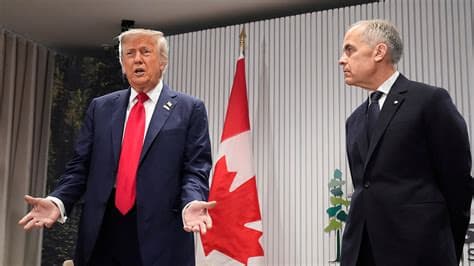
AI Image Disclaimer: The images in this article were created using artificial intelligence and are intended for illustrative purposes only.
Sources: The Canadian Press, CityNews Vancouver, Global News, Government of Canada, CBC News, Toronto Star
Published by Banx Network. This article is part of the Banx decentralized media programme, powered by the BXE token on the XRP Ledger.