There is a particular kind of hope that attaches itself to the idea of return—the belief that what has been lost might somehow be recovered, that the door to the past is not permanently closed but merely waiting for the right key. In laboratories in Texas and beyond, a company called Colossal Biosciences is trying to turn that hope into biology, using artificial intelligence and gene editing to resurrect creatures that vanished thousands of years ago.
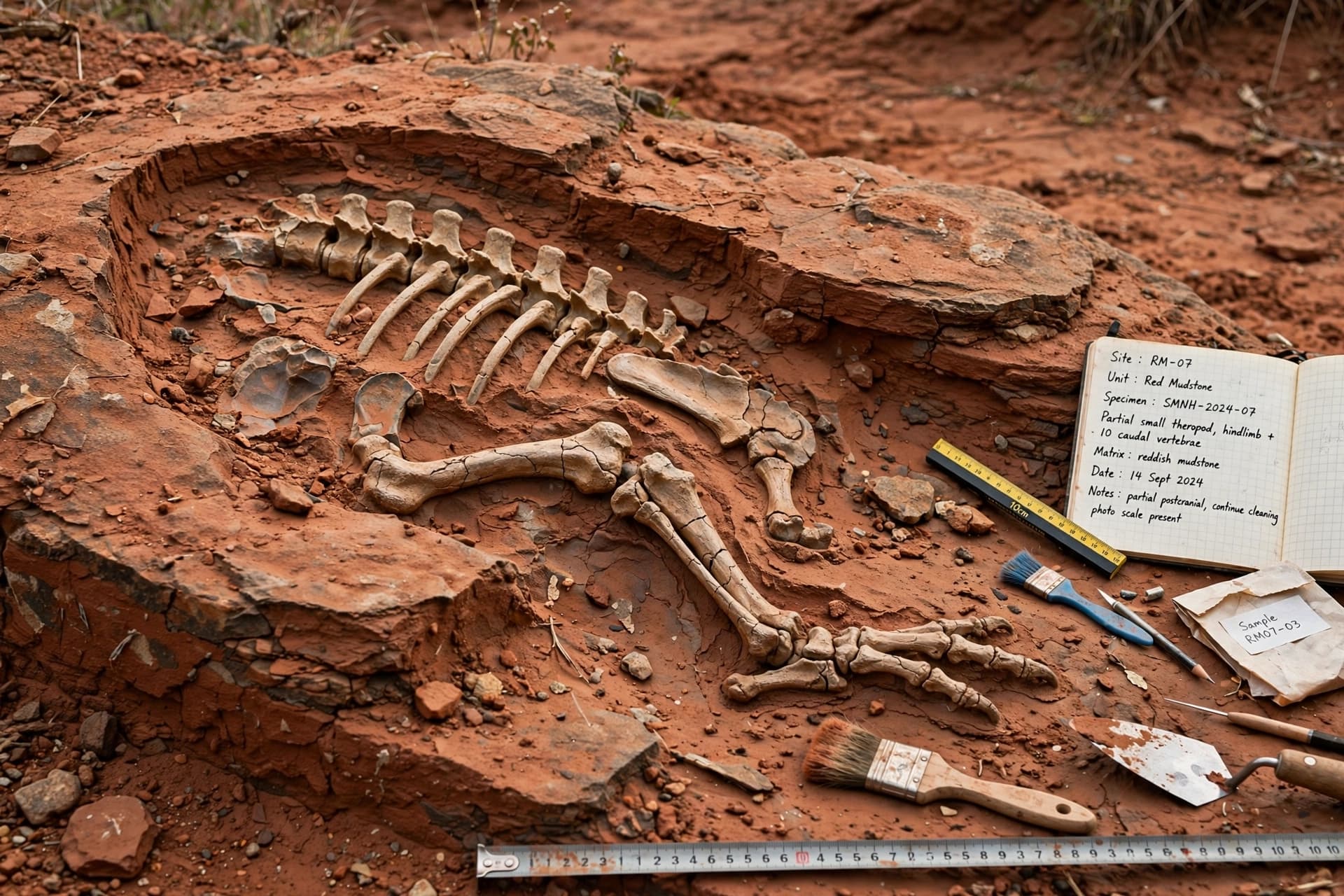
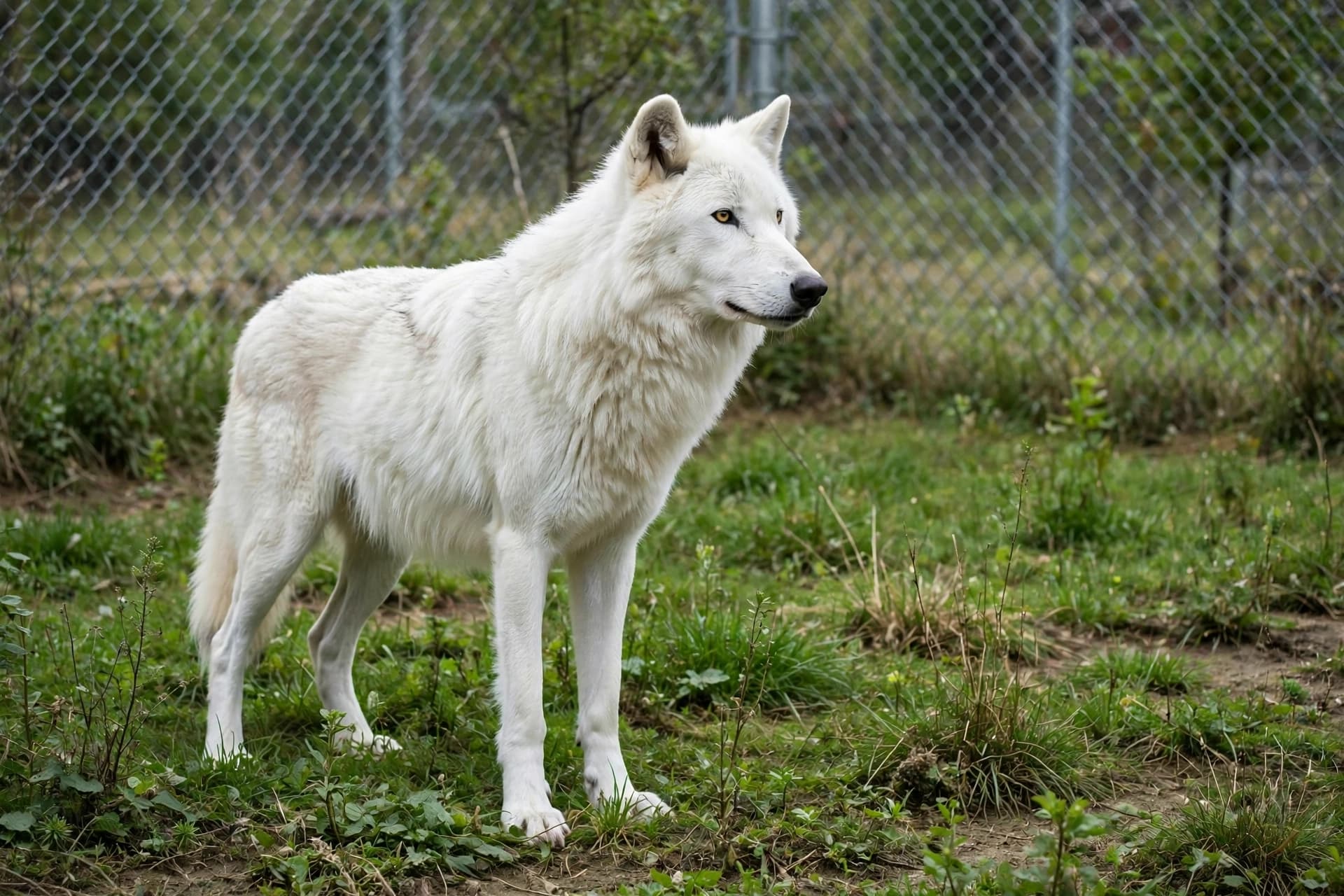
The company's most publicized achievement came in April 2025, when it announced the birth of three "dire wolf" pups—Romulus, Remus, and Khaleesi—born to domestic dog surrogates in North Texas . The animals were created by extracting fragmented DNA from a fossilized skull and tooth, using AI models to piece together the broken genetic sequence, and then editing living gray wolf cells to incorporate traits associated with the extinct dire wolf . The result, Colossal says, is the first successful lineage bred from the DNA of an animal that disappeared more than 12,500 years ago.
Not everyone agrees with that characterization. Critics note that gray wolves and dire wolves differ by approximately 12 million DNA bases, while Colossal made only about 20 edits across 14 genes . By that measure, the pups are gray wolves with a few superficial modifications—white coats, larger size—rather than true dire wolves. Colossal's chief scientific officer, Beth Shapiro, has acknowledged the gap but argued that the goal is not perfect replication. "If we brought something back that was 100% identical, it wouldn't necessarily fit in the environment of today," she told an interviewer . The company prefers to focus on ecological function rather than genetic fidelity.
The woolly mammoth project is more ambitious and, by Colossal's own admission, further from completion. The original target was a mammoth birth by 2028; that date has since shifted to the early 2030s . The number of genetic edits required has grown from an initial estimate of about 60 to roughly 150, as researchers have discovered more about the differences between mammoths and their closest living relatives, Asian elephants . Among the traits being engineered are smaller ears to reduce heat loss, shorter tails, thicker fur, and sebaceous glands to keep that fur supple .
The company's broader vision extends beyond spectacle. Colossal argues that reintroducing large herbivores to Arctic landscapes could help preserve permafrost by compacting snow and preventing it from insulating the ground, thereby slowing the release of greenhouse gases . Critics counter that the ice age environment these animals inhabited no longer exists, and that resources spent on de-extinction might be better directed toward preventing the extinction of species currently at risk .
For now, the three "dire wolf" pups remain in an undisclosed location, growing into animals that are, by any genetic measure, mostly gray wolves. The mammoths, if they arrive, will be elephants edited to resemble something that once roamed the tundra. Whether these creatures represent genuine restoration or a sophisticated form of nostalgia remains an open question—one that science alone may not be able to answer.
AI Image Disclaimer: All images associated with this report are AI-generated and serve illustrative purposes only, not as documentary records of the animals or research described.
Sources: The Times of India, MIT Technology Review, Time Magazine, CBC Radio
Published by Banx Network. This article is part of the Banx decentralized media programme, powered by the BXE token on the XRP Ledger.