In the quiet hum of a laboratory, where microscopes focus on the intricate dance of life, a new kind of cell is being born—not in a petri dish, but in the digital realm. These virtual entities, crafted from artificial intelligence and detailed biological data, promise to transform the slow, often trial-and-error process of drug discovery into a precise, predictive science.
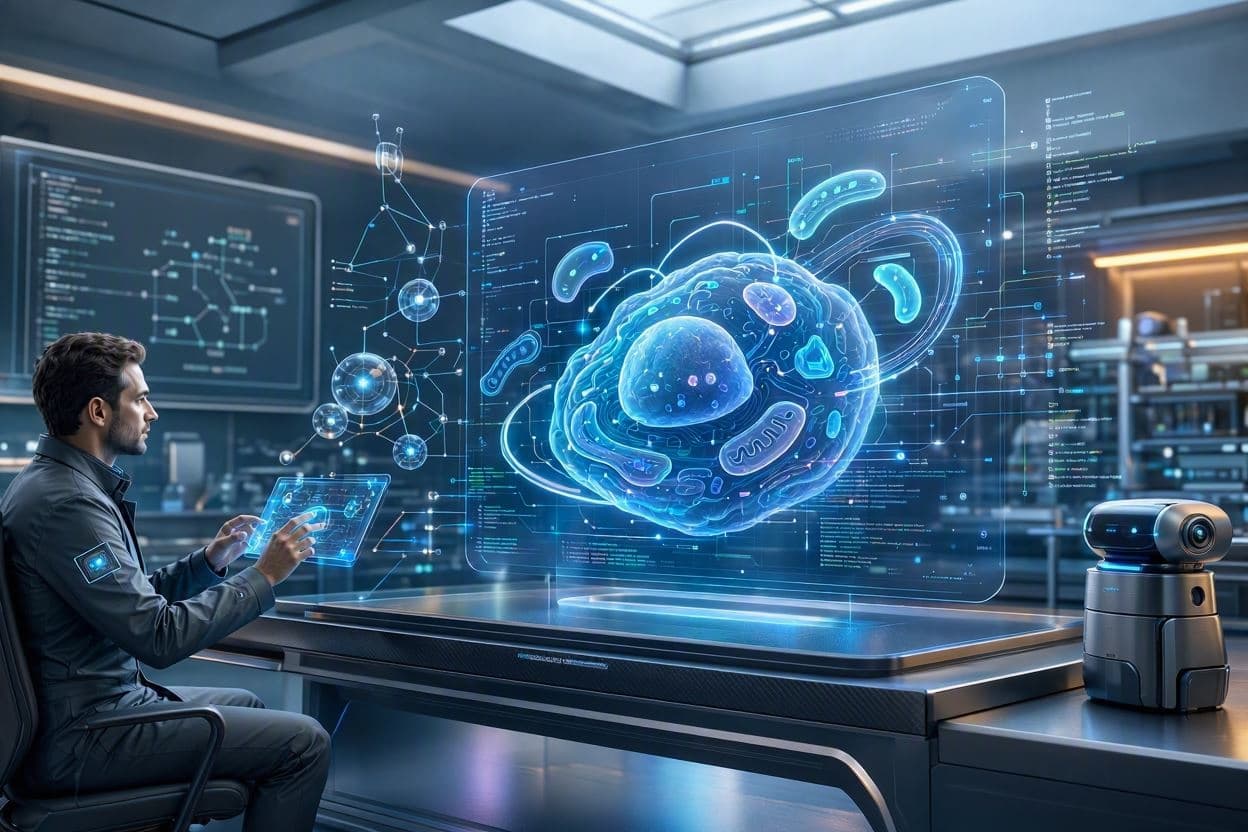
Researchers at the University of California, San Diego, have developed a groundbreaking approach using "digital twins" of real cells. By combining advanced microscopy with AI models, they create four-dimensional representations that capture not just the structure of a cell, but its behavior over time. This 4D perspective allows scientists to observe how cellular components, such as mitochondria, respond to various stimuli and treatments in real-time.
The core of this innovation is an AI model called MitoSpace, which specializes in predicting mitochondrial dynamics. Mitochondria are the powerhouses of the cell, and their health is crucial for preventing diseases like cancer, diabetes, and neurodegenerative disorders. By simulating how these organelles function under different conditions, researchers can identify potential drug targets without the need for extensive physical testing.
This method significantly accelerates the early stages of drug development. Traditional wet-lab experiments are time-consuming and expensive, often requiring years to yield results. In contrast, virtual cells can test thousands of compounds in a fraction of the time, filtering out ineffective candidates before they ever reach a physical lab. This efficiency not only saves resources but also reduces the reliance on animal testing.
The accuracy of these models relies on high-quality data from live-cell imaging. By tracking individual cells over hours or days, scientists gather a wealth of information about their growth, division, and response to stress. This data trains the AI to recognize subtle patterns that might be missed by the human eye, leading to more reliable predictions about drug efficacy and safety.
Beyond drug discovery, this technology has implications for personalized medicine. In the future, doctors could create digital twins of a patient’s specific cells to test how they will respond to a particular treatment. This tailored approach could minimize side effects and improve outcomes, marking a shift from one-size-fits-all therapies to highly individualized care.
While the technology is still in its early stages, the potential is immense. As AI models become more sophisticated and data collection methods improve, the fidelity of these virtual cells will continue to grow. The goal is to create a comprehensive digital library of cell types, providing a universal tool for biomedical research.
As the boundary between the biological and the digital blurs, the promise of faster, safer, and more effective medicines comes into clearer view. The virtual cell is not just a computational tool; it is a new frontier in our quest to understand and heal the human body.
AI Image Disclaimer: The images associated with this article are AI-generated visualizations created to illustrate the themes of digital biology and medical innovation.
Sources: UC San Diego Today, Labcompare, Nature Digital Medicine, Smartech Daily
Published by Banx Network. This article is part of the Banx decentralized media programme, powered by the BXE token on the XRP Ledger.