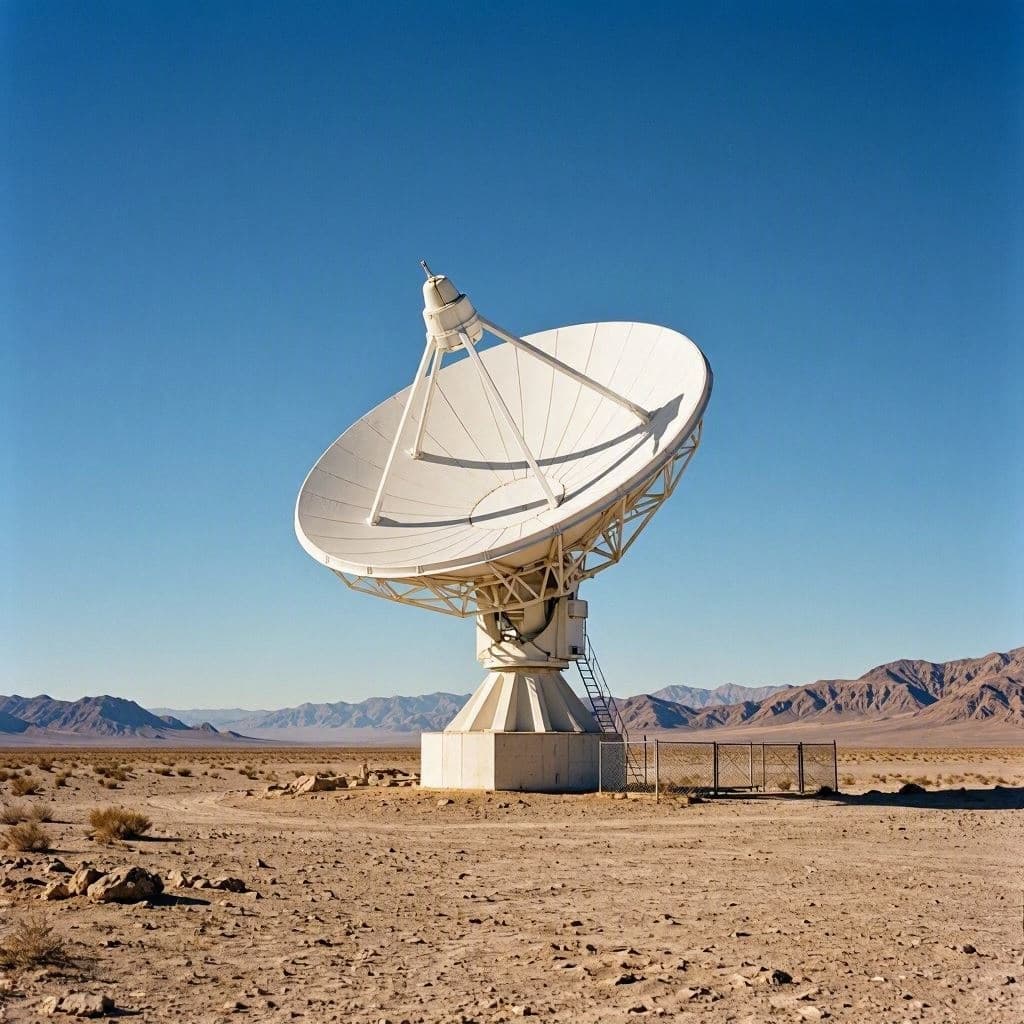
Communication across the vast emptiness of space is a delicate thread, connecting our small blue planet to the machines we send into the unknown. It requires patience, precision, and powerful ears to listen to the faint whispers of spacecraft millions of miles away. With the integration of a new antenna at the Goldstone Deep Space Communications Complex, this network of listening grows stronger, ensuring that no voice from the deep is lost in the silence.
The Goldstone Deep Space Communications Complex, located in the Mojave Desert, is a critical node in NASA’s Deep Space Network (DSN). Recently, a new 34-meter beam-waveguide antenna has joined the existing array, enhancing the facility’s ability to track and communicate with interplanetary missions. This addition is not merely an upgrade in hardware; it is a reinforcement of the lifeline that sustains our exploration of the solar system.
The new antenna operates in the Ka-band, a frequency range that allows for higher data rates compared to older systems. This means that spacecraft can send back more detailed images and scientific data faster than before. For missions like Voyager, which continues to send signals from the edge of the solar system, or newer probes exploring Mars and Jupiter, this increased bandwidth is invaluable. It transforms trickle-like data streams into richer flows of information.
Goldstone’s location in the desert provides a quiet radio environment, essential for detecting weak signals from space. The new antenna complements the existing dishes, creating a more robust and flexible network. By working in tandem, these antennas can track multiple spacecraft simultaneously, reducing downtime and increasing the efficiency of mission operations. It is a symphony of coordination, where each instrument plays its part in harmony.
The construction of the antenna reflects advances in engineering and materials science. Its design minimizes signal loss and maximizes sensitivity, allowing it to pick up transmissions that would otherwise be drowned out by noise. This technical prowess is a testament to the ingenuity of the teams who build and maintain these vital structures. They work quietly, often unnoticed, to keep the lines of communication open.
Beyond its technical capabilities, the antenna symbolizes our enduring commitment to exploration. As we send missions further into the cosmos, the need for reliable communication becomes ever more critical. The Deep Space Network is the backbone of this endeavor, ensuring that every discovery, every image, and every byte of data reaches Earth safely. It is the silent partner in every successful mission.
The integration of the new antenna also prepares the DSN for future challenges. With plans for manned missions to Mars and increased robotic exploration, the demand for data transmission will only grow. This upgrade ensures that the network can handle the increased load, supporting the next generation of explorers. It is a forward-looking investment in our cosmic future.
As the Goldstone antenna turns its ear to the sky, it reaffirms our connection to the distant reaches of space. It is a reminder that even in the vastness of the universe, we are not alone in our quest for knowledge. Through these quiet giants in the desert, we continue to listen, learn, and reach out to the stars.
AI Image Disclaimer: The images associated with this piece are AI-generated illustrations of radio antennas in a desert setting and do not represent specific real-time photographs of the Goldstone facility.
Sources: NASA JPL, SpaceNews, IEEE Spectrum, TechCrunch
Published by Banx Network. This article is part of the Banx decentralized media programme, powered by the BXE token on the XRP Ledger.