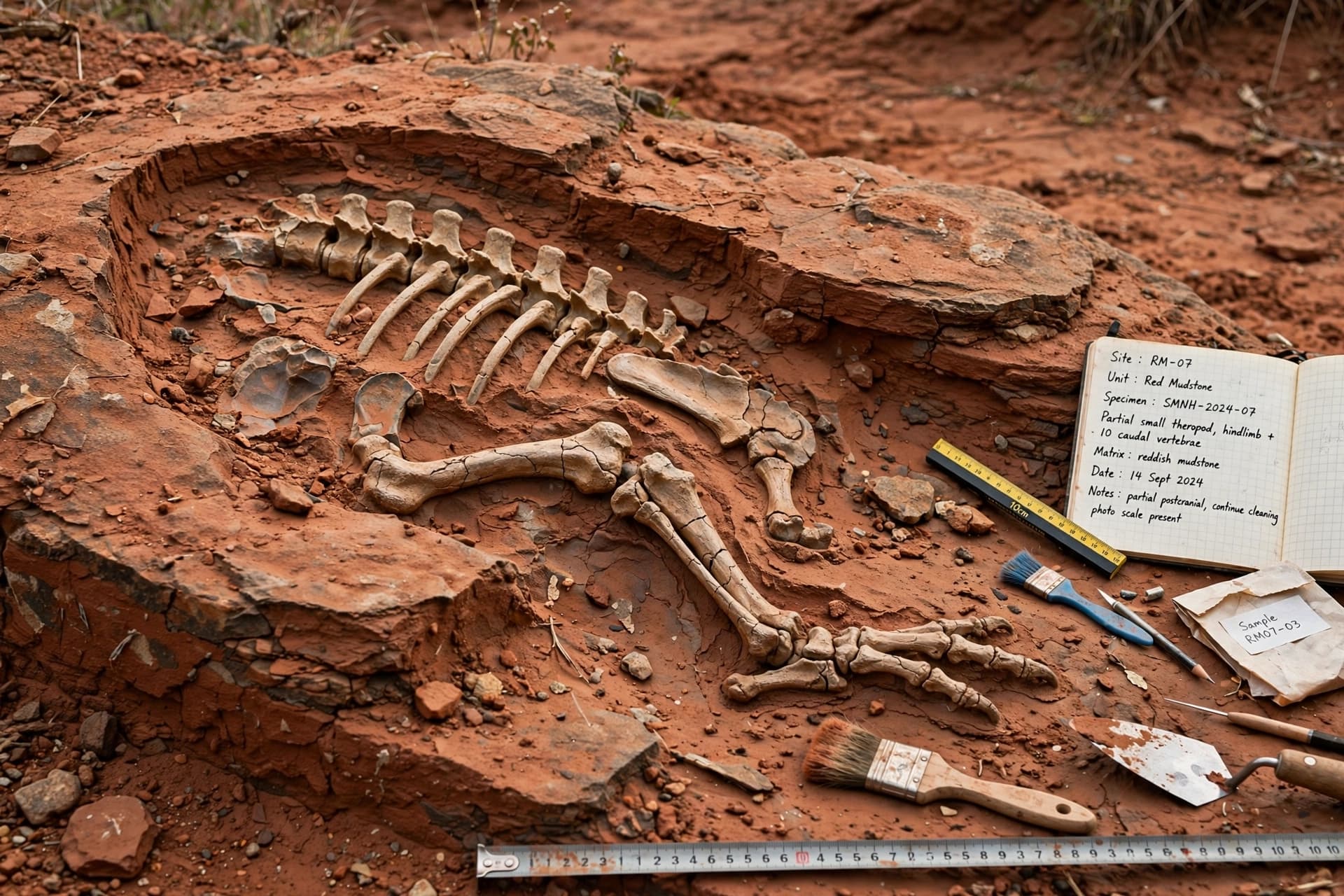
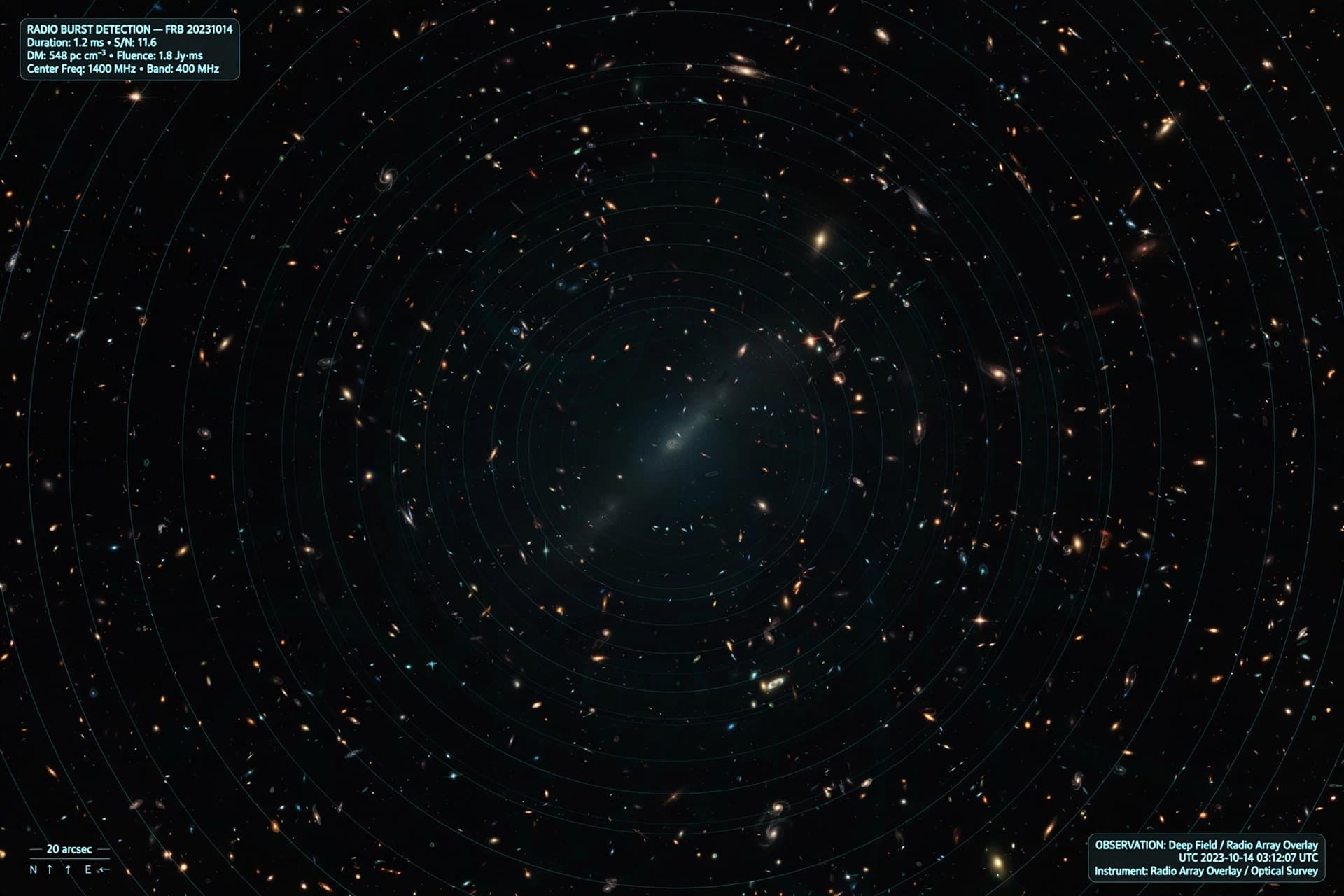
There are moments in Earth’s long memory when silence arrives suddenly, like a breath held too long and never released. The plains that once trembled under mammoth feet grew still, and the firelit camps of early humans faded into cold ash. Time carried on, but something vast had passed through, leaving absence where abundance once lived.
Scientists have long searched for reasons behind the disappearance of the mammoths and the sudden disruptions faced by human communities near the end of the last Ice Age. Climate shifts, overhunting, and slow ecological change have each been offered as explanations, woven carefully into the story of extinction. Yet another idea has lingered at the edge of acceptance, returning whenever new fragments of evidence rise from ice cores, sediments, or ancient soils.
This idea suggests that a cosmic explosion, possibly a comet fragment or asteroid airburst, detonated above Earth roughly 12,800 years ago. Unlike an impact that leaves a crater, this event may have unfolded in the sky, releasing immense heat and energy across continents. Researchers point to unusual layers of charcoal, microscopic diamonds, and melted materials found at sites across North America and beyond, quietly marking a moment of extraordinary disturbance.
In this telling, the mammoths did not vanish alone. Human populations, already adapting to harsh environments, may have faced sudden fires, collapsing ecosystems, and plunging temperatures that followed the blast. The proposed explosion is often linked to the onset of the Younger Dryas, a rapid return to near-glacial conditions that reshaped landscapes and survival itself.
The theory does not claim certainty. Some scientists view the evidence as compelling but incomplete, while others argue that natural climate variability and human pressures remain sufficient explanations. The debate continues with careful language, as each new study adds weight to one side or gently shifts the balance back toward doubt.
Still, the possibility of a space-driven catastrophe invites reflection beyond data points. It reminds us that life on Earth has always existed under a fragile sky, shaped not only by choices made on the ground but by forces moving silently above it. Whether the mammoths fell to fire from the heavens or to slower earthly causes, their absence stands as a quiet testament to vulnerability shared by humans and animals alike.
Today, scientists continue to test sediments, refine models, and compare timelines. The question remains open, carried forward not as a verdict, but as a careful inquiry into how suddenly the world can change.
AI Image Disclaimer Visuals in this article are created using AI tools and are intended as conceptual representations, not real photographs.
Sources Nature Science Proceedings of the National Academy of Sciences National Geographic Scientific American
Published by Banx Network. This article is part of the Banx decentralized media programme, powered by the BXE token on the XRP Ledger.