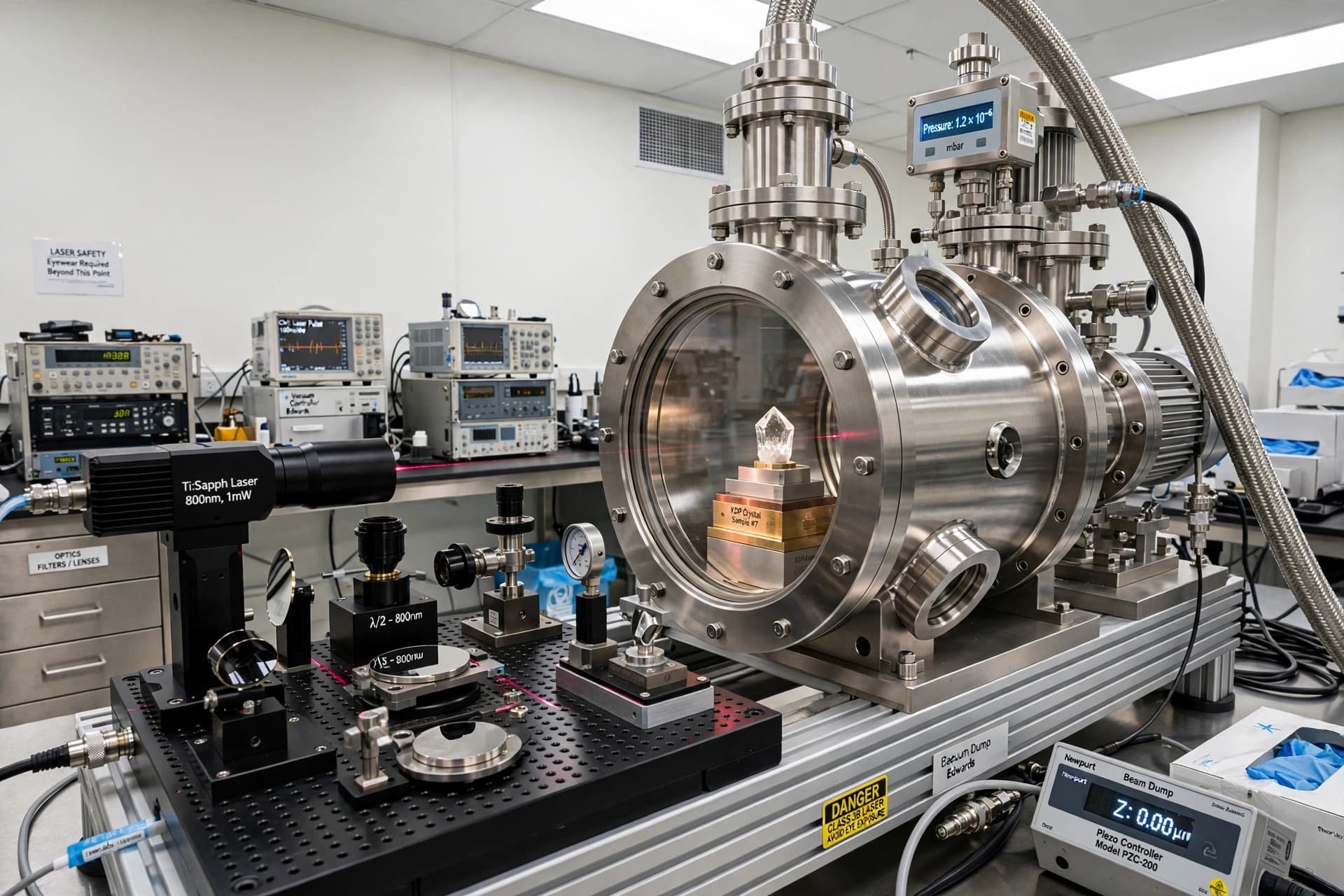
In the quiet hush of a laboratory, as scientists watch magnetic loops and glowing plasmas dance like ethereal flames, one begins to imagine that humanity has always yearned for the fire of the stars. Since ancient campsites warmed early storytellers and lit their faces in the dark, we have been seekers of energy — not merely to survive, but to transcend. In this unfolding moment, researchers around the world are gently but persistently pushing the boundaries of what was once the dream of myth: harnessing a source of power that resembles the beating heart of the sun itself.
For decades, the promise of next-generation energy — especially nuclear fusion — has lived on the horizon of possibility, like a distant sunrise that seems to retreat when you reach for it. Fusion, the process that powers stars by fusing light atomic nuclei together, could one day yield abundant, clean energy without the long-lasting waste of conventional nuclear fission. Recent advances suggest that horizon might be closer than it once seemed. Chinese researchers operating their fully superconducting tokamak have pushed plasma into densities once thought unreachable, overcoming a physical barrier that had slowed progress and bringing fusion ignition nearer. Meanwhile in the United Kingdom, scientists have demonstrated new ways to stabilize super-hot plasma inside experimental reactors, a crucial step toward making future fusion plants viable.
These advances are not isolated sparks but part of a wider tapestry of global effort. International collaborations envision new reactor designs and more efficient magnetic confinement strategies, weaving knowledge from Europe to America, and Asia to the Southern Hemisphere. At the same time, broader shifts in the energy landscape — like the rapid expansion of renewables celebrated as a “Breakthrough of the Year” by Science journal — remind us that the journey to cleaner power is both broad and deep.
Yet the path from laboratory milestone to everyday reality remains long. Challenges of engineering, economics, and scale remain to be met before fusion — or any “next-gen” source — becomes part of the world’s energy mix. Still, each success is like a ripple in a quiet pond: subtle, resonant, and slowly changing the shape of what’s possible.
In these moments of careful progress, where lasers, magnetic fields, and human ingenuity intersect, we are reminded that science often advances not in sudden flashes but in accumulated insight — a gentle, persistent leaning into the unknown, accompanied by deep curiosity and cautious optimism.
Rotated AI Image Disclaimer “Visuals are created with AI tools and are not real photographs.”
Sources (listed) ScienceDaily UKAEA Fusion Energy Science journal / EurekAlert! ScienceDaily (fusion collaboration) National Ignition Facility (verifiable science history)
Published by Banx Network. This article is part of the Banx decentralized media programme, powered by the BXE token on the XRP Ledger.