There is a particular irony to a danger that lives in the very soil we walk upon—a fungus that thrives in the damp earth and fallen leaves of a landscape many residents cherish for its beauty. As autumn settles over northern Ontario, Public Health Sudbury & Districts is asking people to be aware of blastomycosis, a rare but potentially serious lung infection that becomes more relevant as hunters, hikers, and gardeners spend time in the bush.
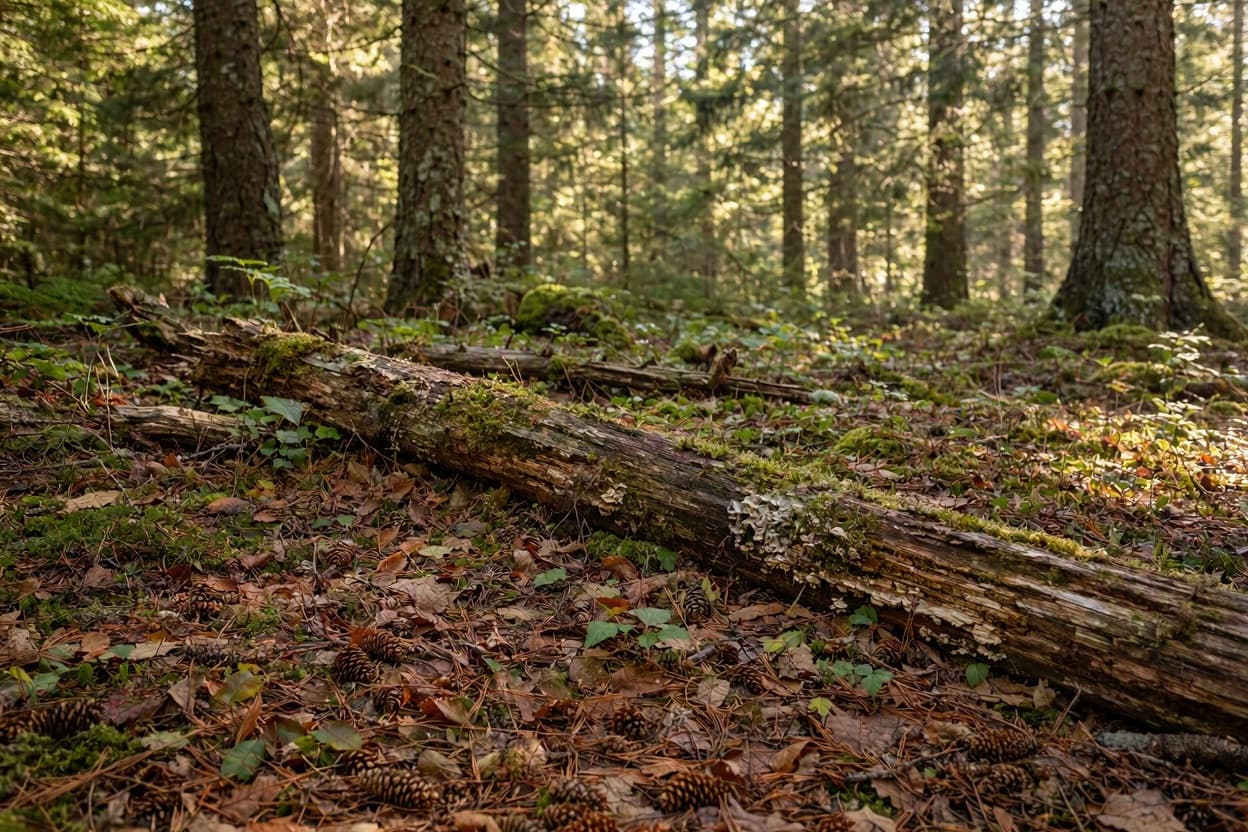
The infection is caused by breathing in spores from a fungus called Blastomyces, which lives in moist, acidic soil and decaying wood. Dr. Emily Groot, the health unit's associate medical officer of health, explained that the fungus is common in northern Ontario, particularly in the northwest and on Manitoulin Island, where coniferous trees acidify the soil and create conditions the fungus favors .
So far this year, six cases have been reported in the Public Health Sudbury & Districts region—a figure Groot described as typical. Not every exposure leads to illness; some people inhale the spores and never know it. Others develop symptoms resembling pneumonia or a cold, and their immune systems clear the infection on their own .
But for some, the infection can become serious, spreading to other organs and affecting the central nervous system. Mazen Saleh, a professor at Laurentian University, noted that advanced stages of the infection, if untreated, can be fatal . The symptoms are frustratingly generic—persistent cough, low-grade fever, joint pain—which means diagnosis often depends on the patient mentioning their outdoor activities to a healthcare provider .
The incubation period can range from three weeks to four months, making it difficult to trace an exposure to a specific outing. Public health officials recommend wearing a mask during activities that disturb soil or leaves—gardening, hiking, construction work—as a simple protective measure .
The warning carries a particular weight in a region that has known loss. Between November 2021 and January 2022, an outbreak in Constance Lake First Nation killed five people. A coroner's jury later issued 79 recommendations aimed at preventing similar deaths, and Public Health Sudbury & Districts has since developed a plan to implement those recommendations within its jurisdiction .
Dr. Groot said she is excited about the work, though she acknowledged the difficult circumstances that prompted it. Among the efforts is an Indigenous data sovereignty project, which she said would help the health unit understand how to collect and use Indigenous health data in a culturally safe way .
For residents of the region, the message is one of balance—not fear of the outdoors, but awareness of what the outdoors may carry. The fungus cannot be seen. But knowing where it lives, and what symptoms to watch for, offers a measure of protection.
Public health officials continue to urge anyone with persistent pneumonia-like symptoms to tell their healthcare provider about any exposure to soil, leaves, or decaying wood.
AI Image Disclaimer: The visual elements in this report were produced using AI generation tools and are intended for editorial illustration only.
Sources: CBC News, CTV News, Radio-Canada, Public Health Ontario
Published by Banx Network. This article is part of the Banx decentralized media programme, powered by the BXE token on the XRP Ledger.