Death is often viewed as an end, but in nature, it is merely a transformation. As we seek more sustainable ways to live, some are now reimagining how we depart, choosing paths that return us gently to the earth. In a pioneering move in Australia, a woman has been laid to rest in a coffin crafted from mycelium, the root structure of mushrooms. This innovative approach marks a significant shift in funeral practices, blending reverence with ecological responsibility.
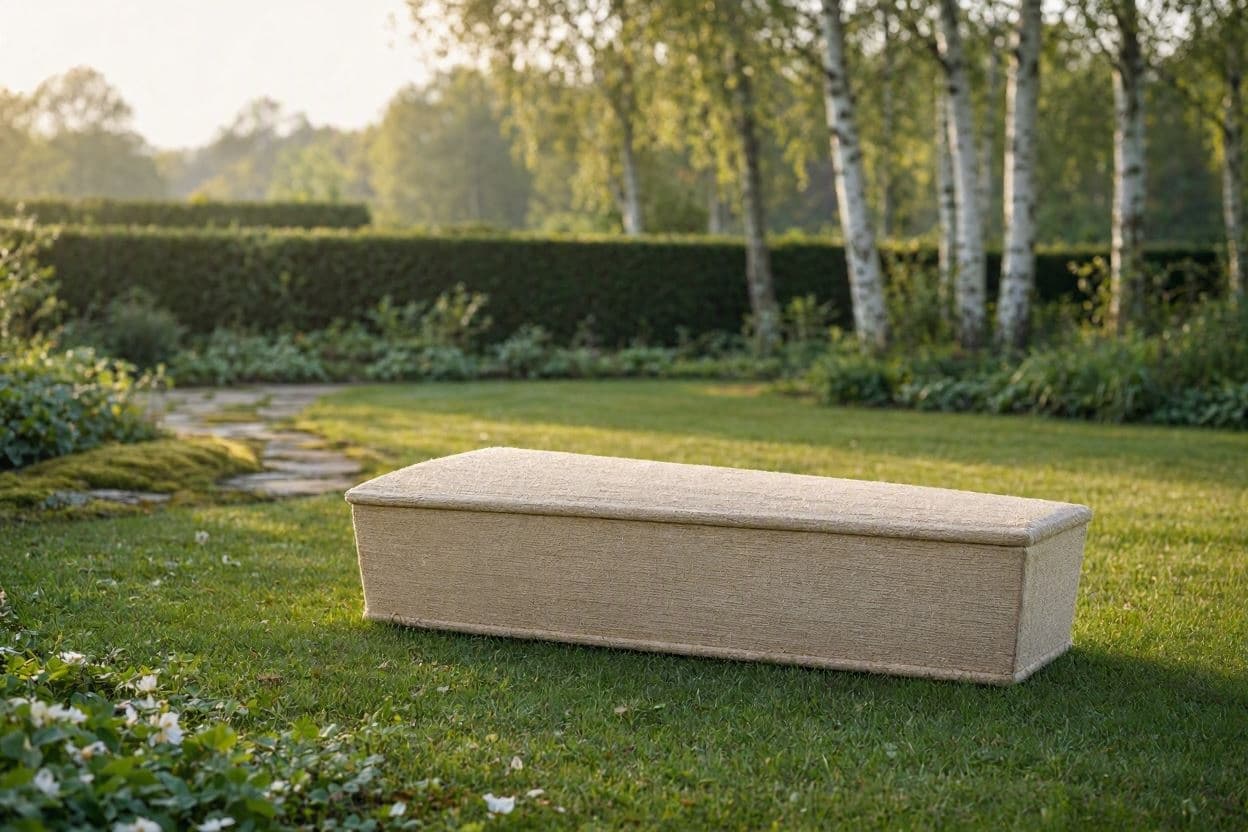
The biodegradable coffin, made from agricultural waste and mushroom roots, offers a natural alternative to traditional timber or metal caskets. Unlike conventional materials, which can take decades to decompose or release harmful chemicals, mycelium breaks down rapidly, enriching the soil rather than burdening it. For the family of the deceased, this choice was a reflection of her lifelong commitment to environmental stewardship. It was a final act of care for the planet she loved.
This funeral is believed to be the first of its kind in Australia, signaling a growing interest in green burial options. While eco-friendly funerals have gained traction in Europe and North America, they are still emerging in the Australian market. Regulatory hurdles and cultural traditions have slowed adoption, but attitudes are shifting. People are increasingly seeking ways to minimize their environmental footprint, even in death.
The process involves cultivating mycelium around a mold of the coffin shape, allowing it to grow into a solid, durable structure. Once the funeral is complete, the coffin decomposes naturally within weeks, leaving no trace behind. This cycle mirrors the natural decomposition of leaves and wood in a forest, creating a harmonious link between human life and the ecosystem. It is a poetic return to the source.
Funeral directors and sustainability experts are watching this development closely. They note that while the initial cost may be higher than standard options, the long-term environmental benefits are significant. Additionally, the emotional comfort of knowing that a loved one is contributing to new life can be profound for grieving families. It transforms the narrative of loss into one of renewal and continuity.
Challenges remain, including the need for specialized facilities and updated regulations to accommodate biodegradable materials. Cemeteries must adapt their practices to allow for natural decomposition, which differs from traditional burial methods. However, pilot projects and successful cases like this one are paving the way for broader acceptance. Innovation often requires patience and persistence.
The story has resonated with many Australians, sparking conversations about legacy and impact. It challenges us to think about how we wish to be remembered and what we leave behind. For some, a mushroom coffin is not just a practical choice but a philosophical statement. It affirms the belief that we are part of nature, not separate from it.
As the trend gains momentum, more funeral providers are expected to offer mycelium coffins and other green alternatives. The family of the deceased has expressed satisfaction with the process, hoping it inspires others to consider sustainable options. It is a small step toward a larger change in how we honor life and death.
AI Image Disclaimer: The visual content associated with this report is generated by artificial intelligence and does not depict real individuals or specific events.
Sources: The Guardian ABC News (Australia) Sustainable Funeral Alliance Local News Outlets
Published by Banx Network. This article is part of the Banx decentralized media programme, powered by the BXE token on the XRP Ledger.