Nature often conceals its most fascinating stories in places easily overlooked. Within the orderly hum of a beehive, thousands of insects work together in remarkable coordination. For decades, scientists believed they largely understood how honeybee queens were selected. New research, however, suggests that the process may be far more intricate than previously thought.
Body:
The study, conducted by researchers examining honeybee development, challenges long-standing assumptions regarding queen selection. Traditionally, royal jelly—a nutrient-rich substance fed to developing larvae—was considered the primary factor determining which bee would become queen.
According to the new findings, the process appears to involve additional biological and environmental influences. Researchers observed patterns suggesting that colony dynamics and developmental timing may play a more significant role than once believed.
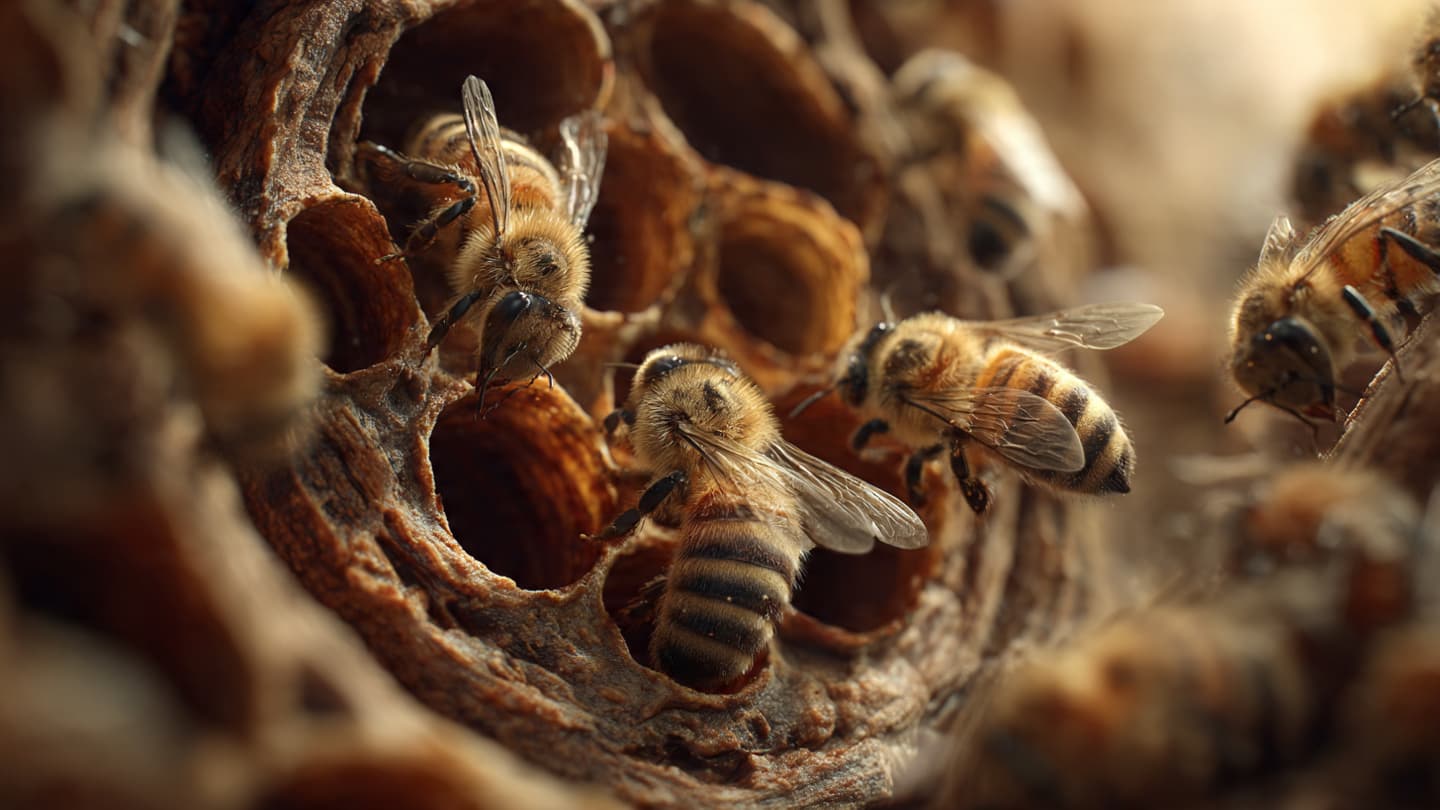
Honeybee societies are among the most sophisticated examples of collective organization in nature. A single queen serves as the colony's primary reproductive individual, making queen selection one of the most important processes within the hive.
Scientists used advanced monitoring techniques to observe larval development and worker bee behavior. These observations provided new insights into how colonies manage succession when a new queen is required.
The findings highlight the complexity of social insects. Rather than relying on a single biological trigger, honeybee colonies may employ a combination of nutritional, environmental, and behavioral factors to guide development.
Researchers believe the study could improve understanding not only of honeybees but also of broader evolutionary mechanisms related to cooperation and social organization among living organisms.
The discovery arrives at a time when pollinator health remains a global concern. Understanding bee biology more thoroughly may contribute to future conservation efforts aimed at protecting species that play critical roles in agriculture and ecosystems.
Closing:
While much remains to be learned about the inner workings of the hive, the research demonstrates that even familiar natural systems can still surprise science. The humble honeybee continues to offer valuable lessons about cooperation, adaptation, and biological complexity.
AI Image Disclaimer: The accompanying images are AI-generated illustrations created to visualize scientific concepts and natural environments discussed in this article.
Source Verification Check: University of California Riverside, ScienceDaily, Nature, New Scientist, Scientific American
Published by Banx Network. This article is part of the Banx decentralized media programme, powered by the BXE token on the XRP Ledger.