A piece of peeling material at one of Washington's most recognizable landmarks became the center of an unexpected legal dispute this summer. What began with the arrest of former Olympic canoeist David Hearn ultimately reached a point where prosecutors acknowledged that evidence undermined the vandalism case. On Thursday, a D.C. judge took the final step, dismissing the case with prejudice and preventing prosecutors from bringing the same charges against Hearn again.
D.C. Superior Court Judge Todd Edelman issued the ruling October 1, permanently closing the criminal case against Hearn, who had been accused of damaging the Lincoln Memorial Reflecting Pool. The dismissal with prejudice means the government cannot revive the same prosecution against him in the future.
Hearn, 67, had been charged with felony destruction of property after he was accused of damaging part of the pool's newly installed liner in June. Hearn said he had merely touched a piece of liner that was already peeling away while passing the pool during a bicycle ride. The case initially received significant public attention after President Donald Trump publicly described the damage as vandalism.
The prosecution later changed course. In July, the U.S. Attorney's Office for the District of Columbia asked the court to dismiss the felony case after receiving Interior Department documents indicating that problems with the pool's liner were associated with a rushed or flawed installation. Prosecutors acknowledged that the newly provided information would have changed the government's assessment of the case.
That development left an important distinction between the original accusation and the later evidence. The Justice Department had initially alleged that Hearn intentionally damaged government property. Later documents instead pointed toward problems with the renovation itself. The Washington Post reported that its own analysis also found evidence suggesting the peeling was connected to installation problems rather than deliberate vandalism.
The government initially sought dismissal without prejudice, which would have left open the possibility of bringing the case again if circumstances changed. Hearn's lawyers opposed that approach and asked Judge Edelman to dismiss the case with prejudice. They argued that leaving the case open could expose their client to renewed prosecution despite the government's acknowledgment that the evidence did not support the existing charge.
Judge Edelman ultimately agreed to the permanent dismissal. In his ruling, he cited what he described as exceptional circumstances and the possibility that Hearn could otherwise face renewed prosecution despite the lack of a viable case. The decision closes the legal proceedings against Hearn over the alleged Reflecting Pool damage.
The case had become more politically charged after Trump criticized prosecutors for dropping the charge. Hearn's attorneys argued that the public pressure surrounding the case made permanent dismissal particularly important. Those claims were arguments from the defense; the judge's ruling itself focused on the legal circumstances surrounding the prosecution and whether leaving the case open was appropriate.
For Hearn, the ruling brings an end to a case that began with a brief encounter at the Reflecting Pool and developed into a national legal controversy. For federal prosecutors, it represents the final closure of a prosecution they had already acknowledged was unsupported by information later provided by the Interior Department. The Reflecting Pool itself remains part of a larger renovation story, but Hearn is no longer legally exposed to the same vandalism charges.
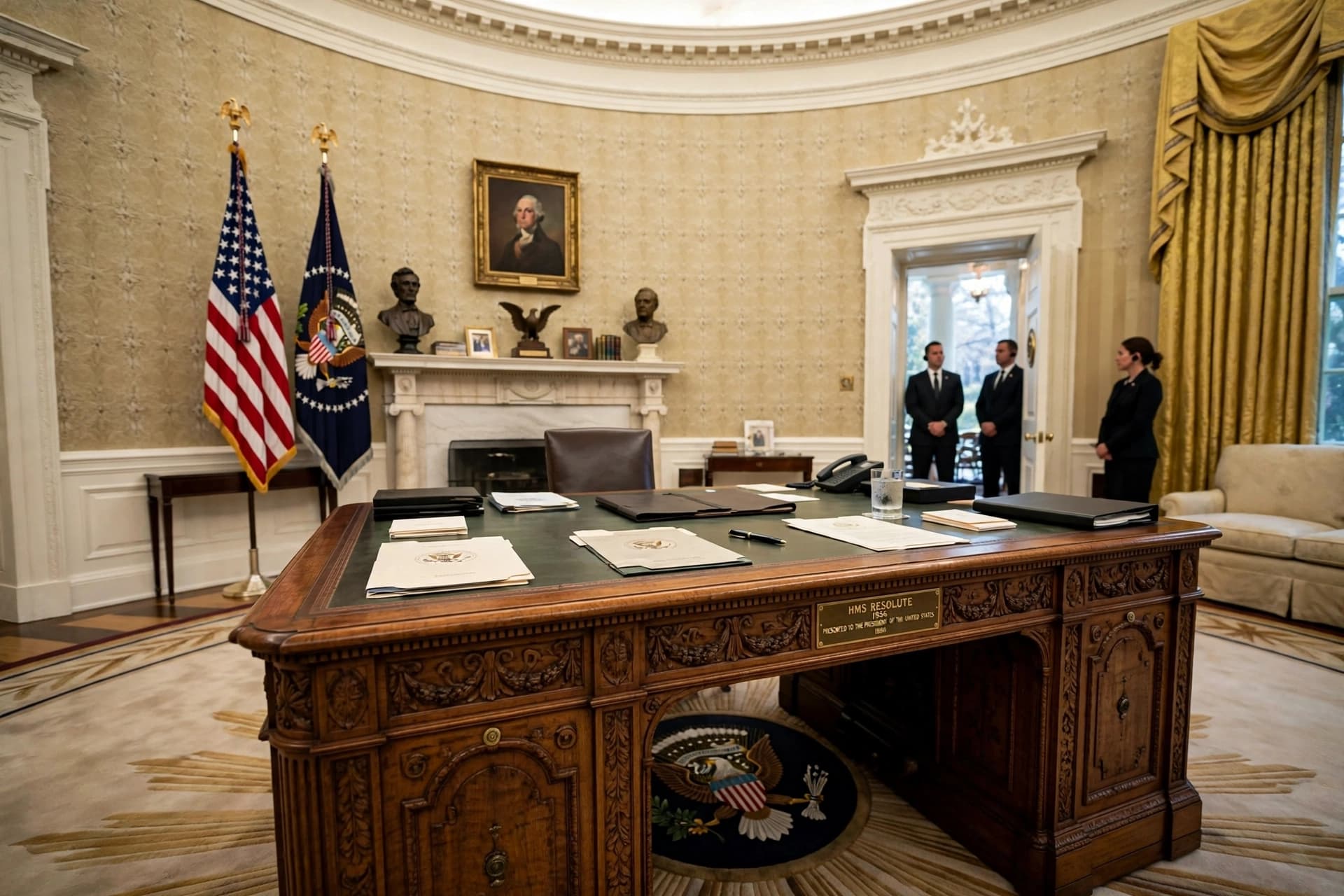
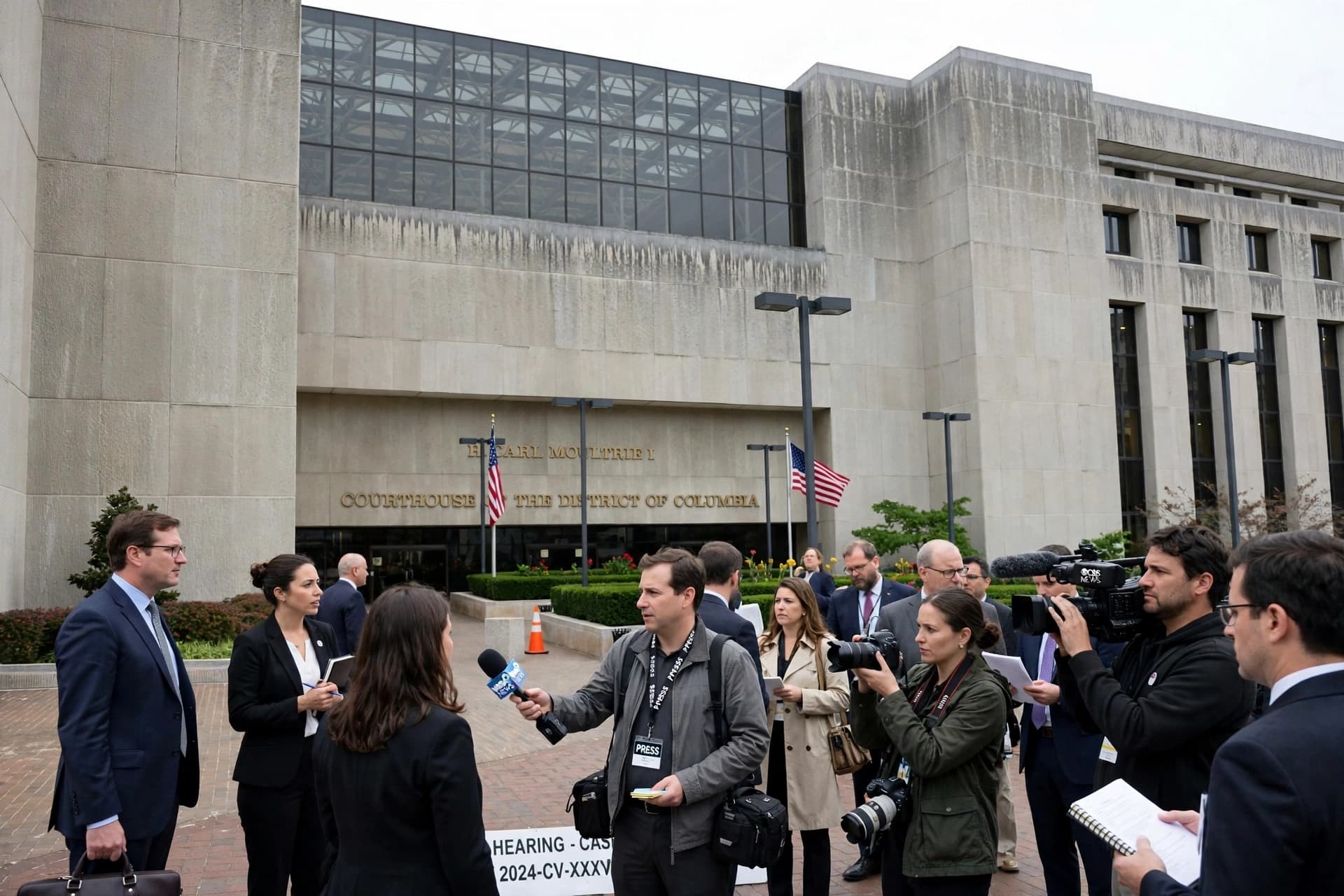
AI Image Disclaimer: The accompanying visual is AI-generated and intended only to illustrate the location and legal story; it is not an actual photograph of David Hearn or the court proceedings.
Sources: Associated Press The Washington Post ABC News Axios The Guardian UPI
Published by Banx Network. This article is part of the Banx decentralized media programme, powered by the BXE token on the XRP Ledger.