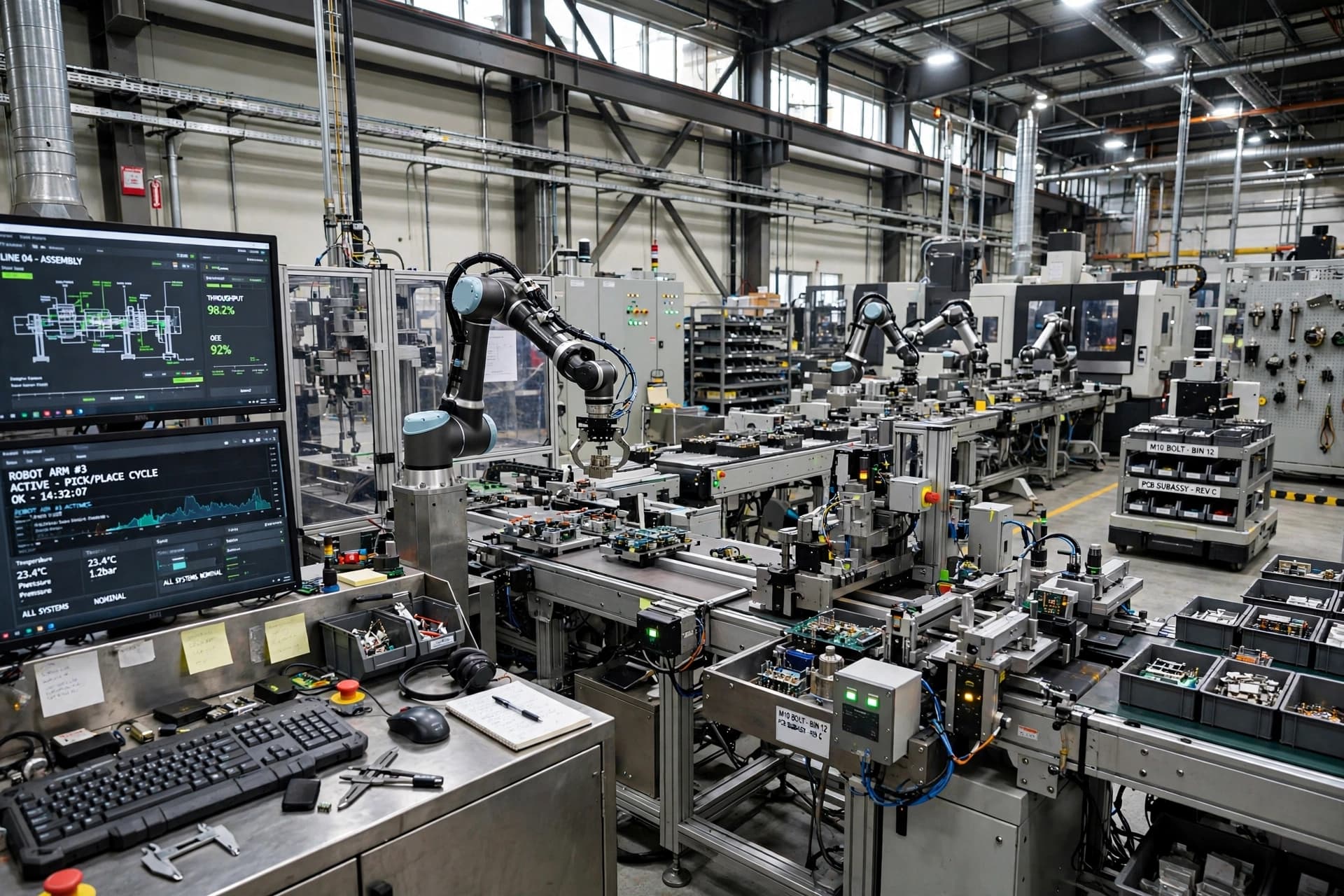
In the background of global markets, far from trading floors and consumer showrooms, a quieter tension has been building. It does not announce itself with a single headline or a sudden collapse. Instead, it moves gradually, carried in balance sheets and procurement calls, in revised forecasts and cautious language. The memory chip — small, unassuming, essential — has become the center of this slow shift.
Demand for memory has rarely been higher. Artificial intelligence systems, data centers, and high-performance computing have developed an appetite that grows with every model update. High-bandwidth memory and advanced DRAM are no longer niche components; they are now structural pillars of modern technology. Supply, however, has struggled to keep pace.
The effects are beginning to surface across markets. Prices for memory components have climbed steadily, and with them the costs of devices that rely on them. Manufacturers of smartphones, personal computers, and graphics hardware find themselves recalculating margins and tempering expectations. What once seemed like isolated price adjustments now appear connected, part of a broader pattern moving through the industry.
Upstream pressures add another layer. Materials and advanced packaging processes are under strain, narrowing production flexibility even further. Expanding capacity is possible, but it is neither quick nor simple. New fabrication plants take years to reach scale, and current output remains pulled toward the highest-margin uses, often at the expense of consumer electronics.
Market responses have been measured rather than panicked. Companies explore alternative sourcing, adjust product mixes, and quietly revise shipment projections. Investors take note, watching earnings calls for hints of relief or further tightening. The language used is careful, acknowledging headwinds without overstating disruption.
What unsettles analysts most is not the present constraint, but its persistence. Expectations are forming that relief may arrive slowly, extending well beyond the current year. In the meantime, the memory crunch acts less like a shock and more like a current — subtle, continuous, and difficult to resist.
For now, markets adapt. They absorb higher costs, adjust timelines, and wait. The ripple has not yet become a wave, but its direction is clear. In an industry built on speed and scale, even the smallest shortages can leave a lasting impression.
AI Image Disclaimer Graphics are AI-generated and intended for representation, not reality.
Sources (Source Check) Bloomberg Reuters Nikkei Asia IDC DigiTimes
Published by Banx Network. This article is part of the Banx decentralized media programme, powered by the BXE token on the XRP Ledger.