There is a particular pleasure in finding the eerie where we expected only the sublime. Space, for most of us, is a place of quiet grandeur—the slow wheeling of galaxies, the patient light of ancient stars. Yet the same telescopes that reveal the cosmos in its majesty also, on occasion, turn up something that feels almost like a prank. A nebula that looks like a hand reaching through the dark. A star system that stares back like an eye. The universe, it seems, is not above a little theater.
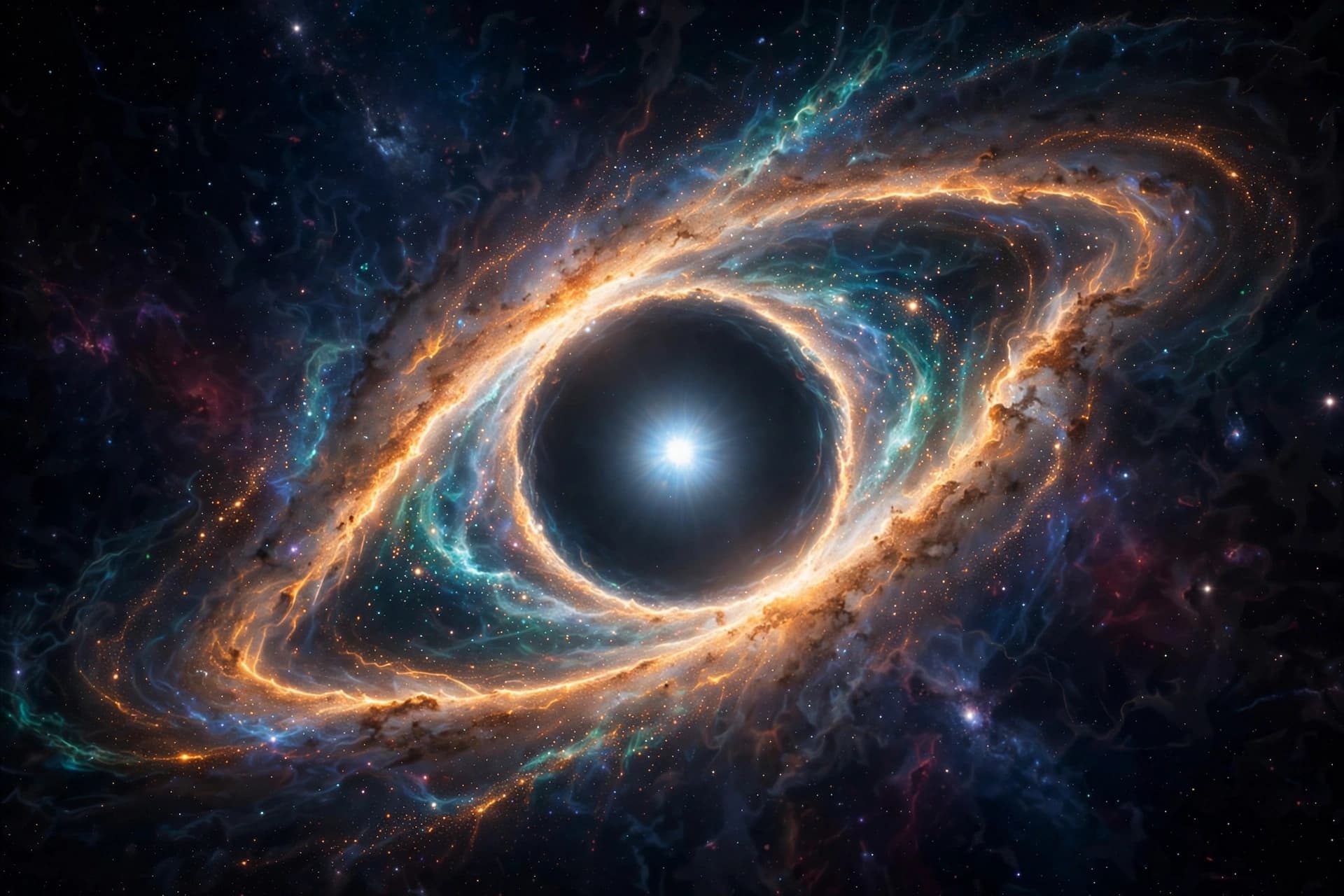
Take Fomalhaut, a young star about twenty-five light-years away, whose wide disk of debris is in the process of forming a planetary system. When Hubble first imaged it in 2004, the tilted ring of dust bore an uncanny resemblance to the Eye of Sauron from The Lord of the Rings—a comparison that astronomers have not entirely resisted . More recently, a bright region in that disk appeared to be a planet gathering dust, then faded from view by 2020. The most likely explanation is not a ghost but a collision between two large planetesimals, the dust cloud brightening and then cooling and dimming over time .
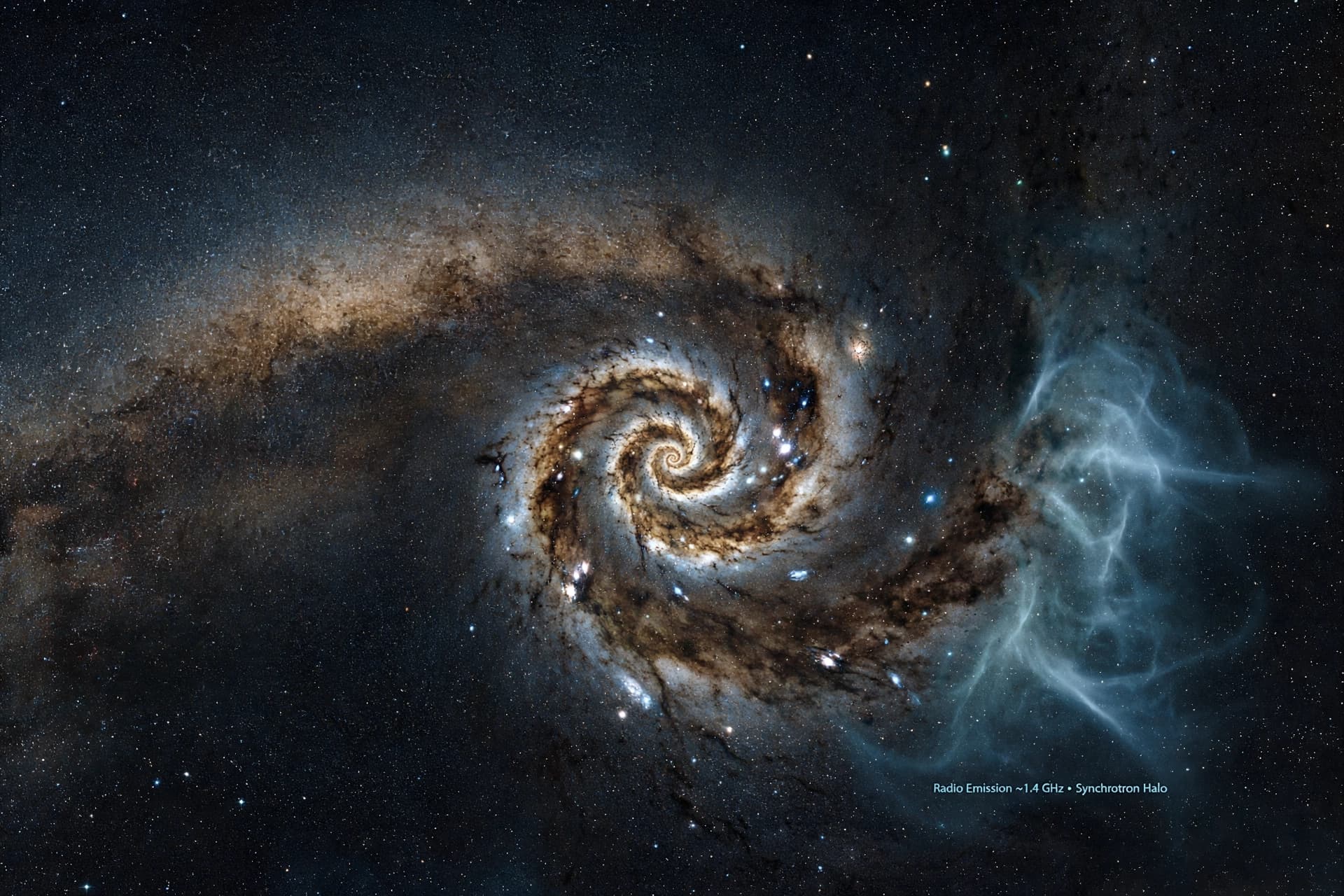
Then there is MSH 15-52, a cloud of energized particles some seventeen thousand light-years away, nicknamed the Cosmic Hand or the Hand of God. The shape is the result of a supernova that left behind a spinning neutron star, whose stellar wind carved the surrounding gas and dust into the form of a skeletal hand reaching through space . Scientists have converted the data into sound—a ghostly sonification in which the brightness of the X-ray data becomes string-like tones, the blast wave is rendered as firework-like pitches, and the dead star’s pulses are heard nearly seven times every second .
NASA has been collecting these cosmic sounds for years, turning radio emissions and plasma waves into audio that can be played through ordinary speakers. The results are not recordings in any conventional sense; they are translations, data made audible. Jupiter’s magnetic field, captured by the Juno spacecraft, produces a roar. Saturn’s radio emissions, monitored by Cassini, carry the eerie suggestion of auroral activity near its poles . These sounds are real, in the sense that they originate from real physical phenomena, but they are also acts of interpretation, a human attempt to make the inaudible heard.
There is something fitting about this seasonal framing. Halloween is a holiday of permitted fright, a night when the unsettling is invited rather than avoided. Space, with its vastness and its indifference, is unsettling in a more fundamental way—but the whimsy of finding a face in a nebula or a hand in a supernova remnant softens that unease into something almost playful. The astronomers who nickname these objects are not diminishing the science; they are acknowledging that wonder and delight are part of how we relate to the unknown.
The scientific value of these objects is real. Fomalhaut’s debris disk is a laboratory for understanding planet formation. The Cosmic Hand offers a window into the dynamics of pulsar winds and supernova remnants. The sonifications help researchers perceive patterns in data that might otherwise remain invisible. But the appeal is not purely instrumental. These are objects that invite us to look, and to feel something while looking.
Perhaps that is the quiet lesson of a cosmic Halloween. The void is not empty, and it is not silent. It is full of structures that happen to resemble the things we fear or imagine, and sounds that happen to resemble the moans and whispers of a haunted house. The resemblance is coincidental, but the pleasure we take in it is not. It is the pleasure of finding the familiar in the utterly foreign, and of being reminded that the universe is stranger, and more whimsical, than we sometimes remember.
Image note: The images accompanying this article were generated by artificial intelligence and are not actual telescope photographs.
Sources: Yahoo News Canada, NASA, Space Coast Daily
Published by Banx Network. This article is part of the Banx decentralized media programme, powered by the BXE token on the XRP Ledger.