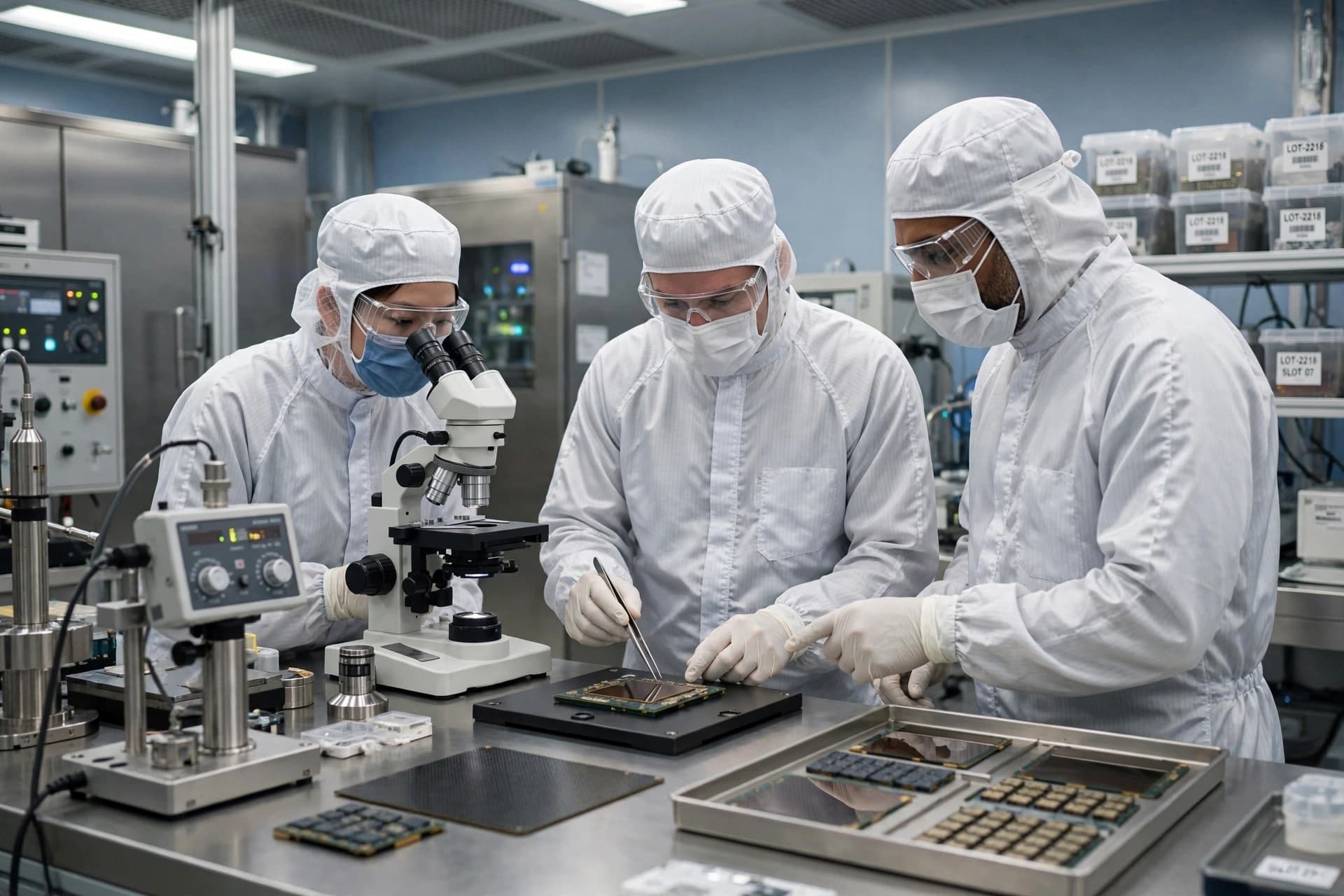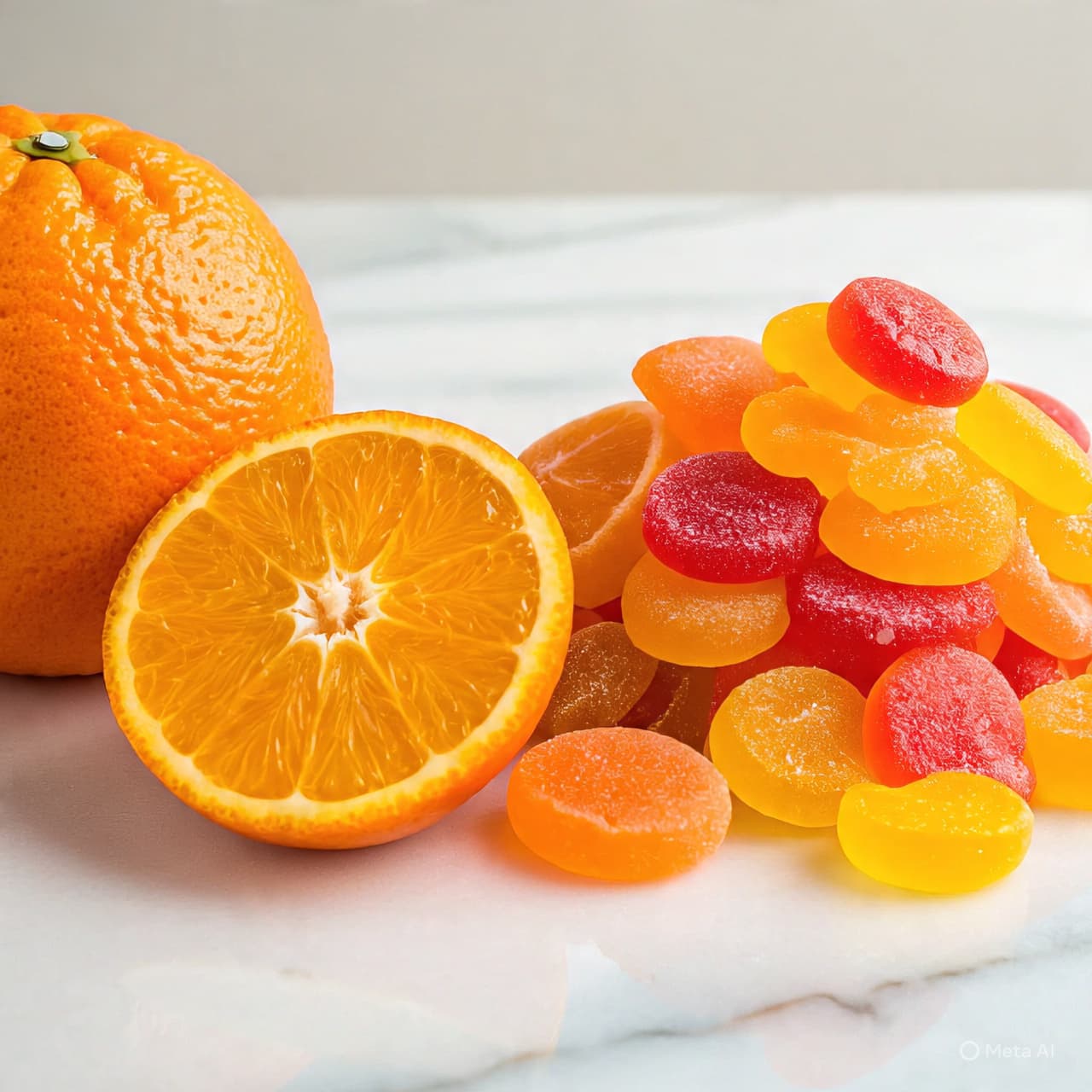
In the quiet hum of our modern kitchens, a new kind of harvest has taken root—one that does not grow from the dark, rich soil or reach for the morning sun, but emerges instead from the sterile, bright halls of industrial ingenuity. We have become accustomed to the convenience of the crinkle, the ease of a meal that requires nothing more of us than a moment of heat and a fleeting appetite. Like a fast-moving stream that promises a quick passage through a busy day, these ultraprocessed offerings have flowed into our cupboards, carrying with them the vibrant colors and bold flavors of a science that has mastered the art of imitation. We reach for them in the blurred hours between work and rest, trusting that the efficiency of the machine can provide the same sustenance as the slow, deliberate work of the hands. Yet, as the years turn, we are beginning to see that the stream may be carrying us toward a shore we did not intend to visit, where the heart, that tireless and faithful drummer, begins to falter under the weight of a diet it was never designed to translate.
The link between these highly engineered foods and the health of our cardiovascular systems has moved from a quiet suspicion to a loud and persistent resonance in the halls of global medicine. When we peel back the layers of these products, we find a complex architecture of additives, emulsifiers, and refined sugars—elements that have been stripped of their natural context and reassembled into something that looks like food but behaves differently within the delicate chemistry of our veins. It is a narrative of biological dissonance; the heart, used to the slow burn of complex fibers and the clean energy of whole ingredients, finds itself navigating a sudden spike of inflammatory signals and metabolic confusion. This is not a sharp indictment of the individual, but a reflective look at a system that has prioritized the shelf life of a product over the longevity of the person reaching for it. We are being invited to consider whether the "ultra" in our processing has taken us a step too far away from the fundamental rhythms that keep our pulses steady and our spirits vibrant.
Recent longitudinal studies involving over 100,000 participants have demonstrated that individuals with the highest intake of ultraprocessed foods face a nearly 25% higher risk of serious cardiovascular events. Researchers point to the high sodium content and the absence of naturally occurring micronutrients as primary drivers in the elevation of blood pressure and the hardening of arterial walls. Public health agencies are now suggesting that even a small shift—replacing just one processed snack with a whole-food alternative—can have a measurable impact on long-term heart health. As of early 2026, several nations are considering updated labeling requirements to help consumers identify these products more clearly in the grocery aisle. The focus remains on education and the gradual return to dietary patterns that emphasize minimally processed staples as the foundation of a resilient lifestyle.
AI Image Disclaimer Illustrations were produced with AI and serve as conceptual depictions.
Verified Sources:
The British Medical Journal (BMJ) The Lancet Public Health American Heart Association (AHA) Harvard T.H. Chan School of Public Health World Health Organization (WHO)
Published by Banx Network. This article is part of the Banx decentralized media programme, powered by the BXE token on the XRP Ledger.

.jpg&w=3840&q=75 "Qantas Grounds Plane After Passengers Report Bedbug Bites")