In times of regional conflict, alliances often move like currents beneath the surface. Some are visible through official statements and military cooperation, while others emerge gradually through actions that reshape the balance of an already fragile landscape. The Middle East has once again become a stage where multiple actors are drawn into a conflict larger than any single border.
Reports surrounding the ongoing confrontation involving Iran, the United States, and Israel have increasingly highlighted the role of additional regional powers. Among the countries drawing attention is the United Arab Emirates (UAE), following claims that military operations connected to the broader conflict extended beyond the two principal allies.
According to reports cited by regional observers and media outlets, dozens of strikes were allegedly linked to military actions involving facilities, strategic assets, and logistical targets connected to Iran’s defense infrastructure. The developments emerged amid a period of heightened instability following the escalation that began earlier in 2026.
The UAE has long maintained complex relationships across the region, balancing economic partnerships, security cooperation, and diplomatic engagement with multiple countries. As tensions increased, analysts closely monitored whether Gulf states would become more directly involved in the conflict environment.
Regional security experts note that modern conflicts rarely remain limited to two opposing parties. Strategic waterways, energy infrastructure, airspace coordination, and defense partnerships often create overlapping interests that influence decisions across neighboring states.
The broader conflict has already affected global energy markets, shipping routes, and diplomatic discussions involving international powers. Concerns regarding stability in the Strait of Hormuz continue shaping calculations among governments whose economies depend heavily on uninterrupted trade and energy flows.
Iranian officials have repeatedly accused foreign governments of supporting military pressure campaigns against Tehran. Meanwhile, governments across the region continue issuing statements emphasizing security concerns and national interests as the conflict evolves.
Observers caution that information emerging from active conflict zones often remains difficult to verify independently in real time. Claims regarding operational participation, military coordination, or strike responsibility frequently require confirmation from multiple sources before broader conclusions can be drawn.
For now, the situation reflects a wider regional dynamic in which local conflicts increasingly intersect with international alliances and economic interests. As diplomatic efforts continue alongside military developments, uncertainty remains one of the defining features of the current landscape.
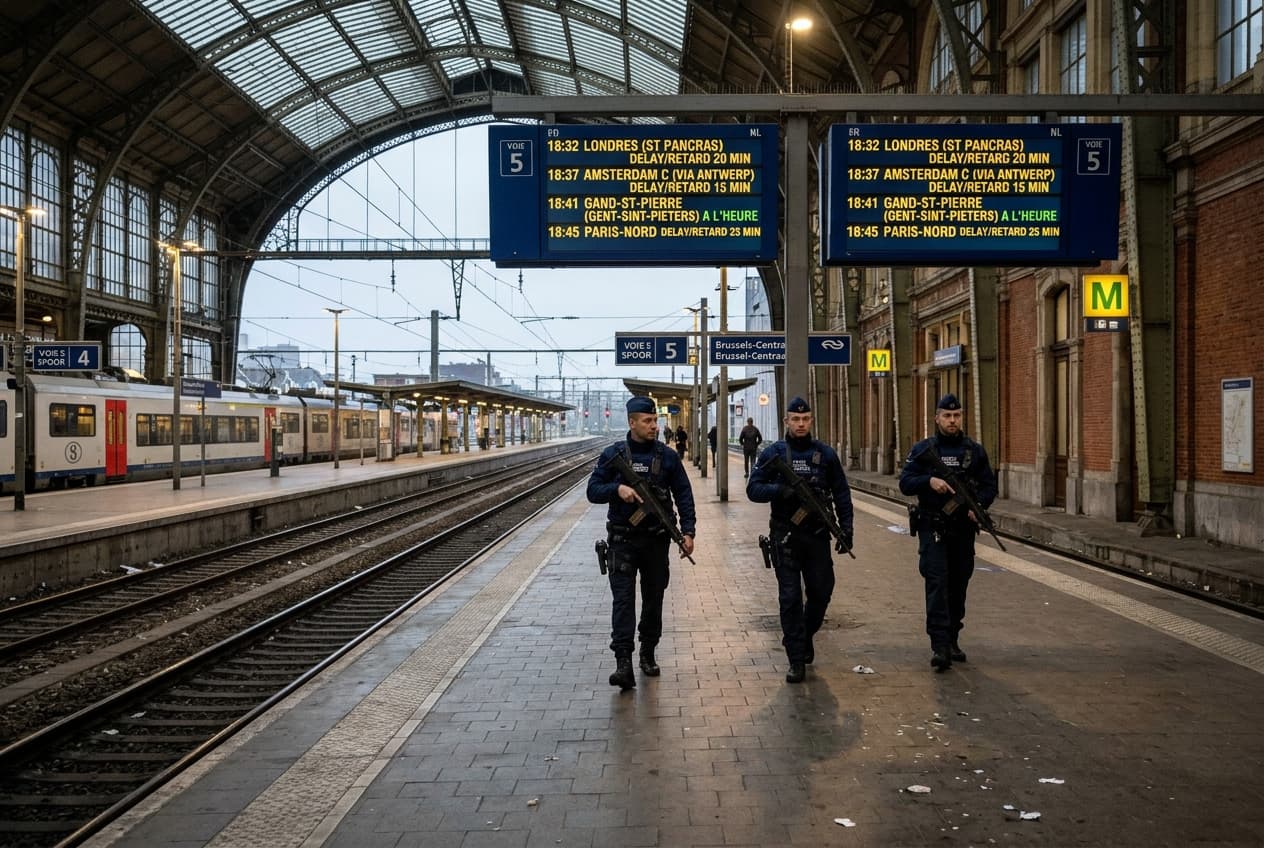
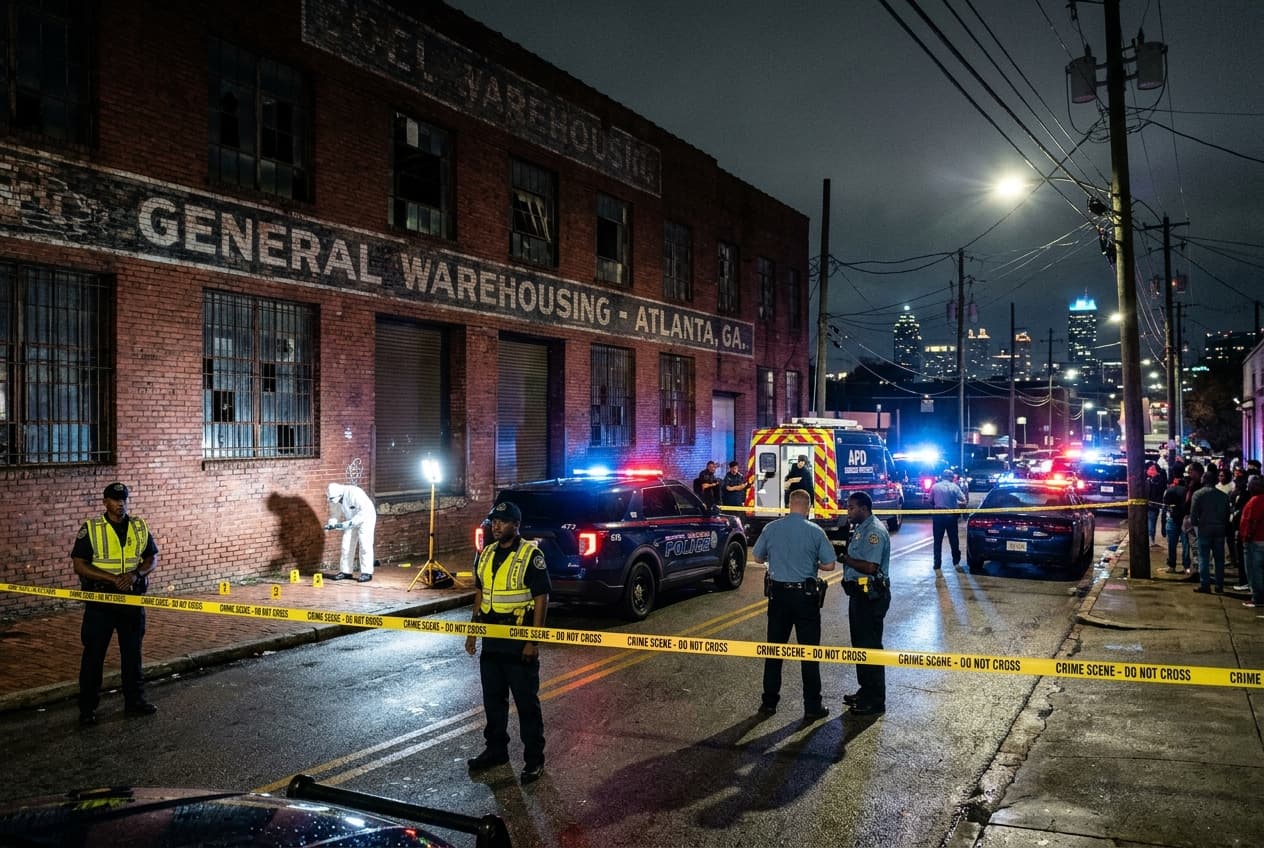
AI Image Disclaimer: Some visual illustrations accompanying this article are AI-generated and intended solely to support editorial presentation.
Sources: Kompas.com Reuters The Guardian Associated Press Al Jazeera
Published by Banx Network. This article is part of the Banx decentralized media programme, powered by the BXE token on the XRP Ledger.