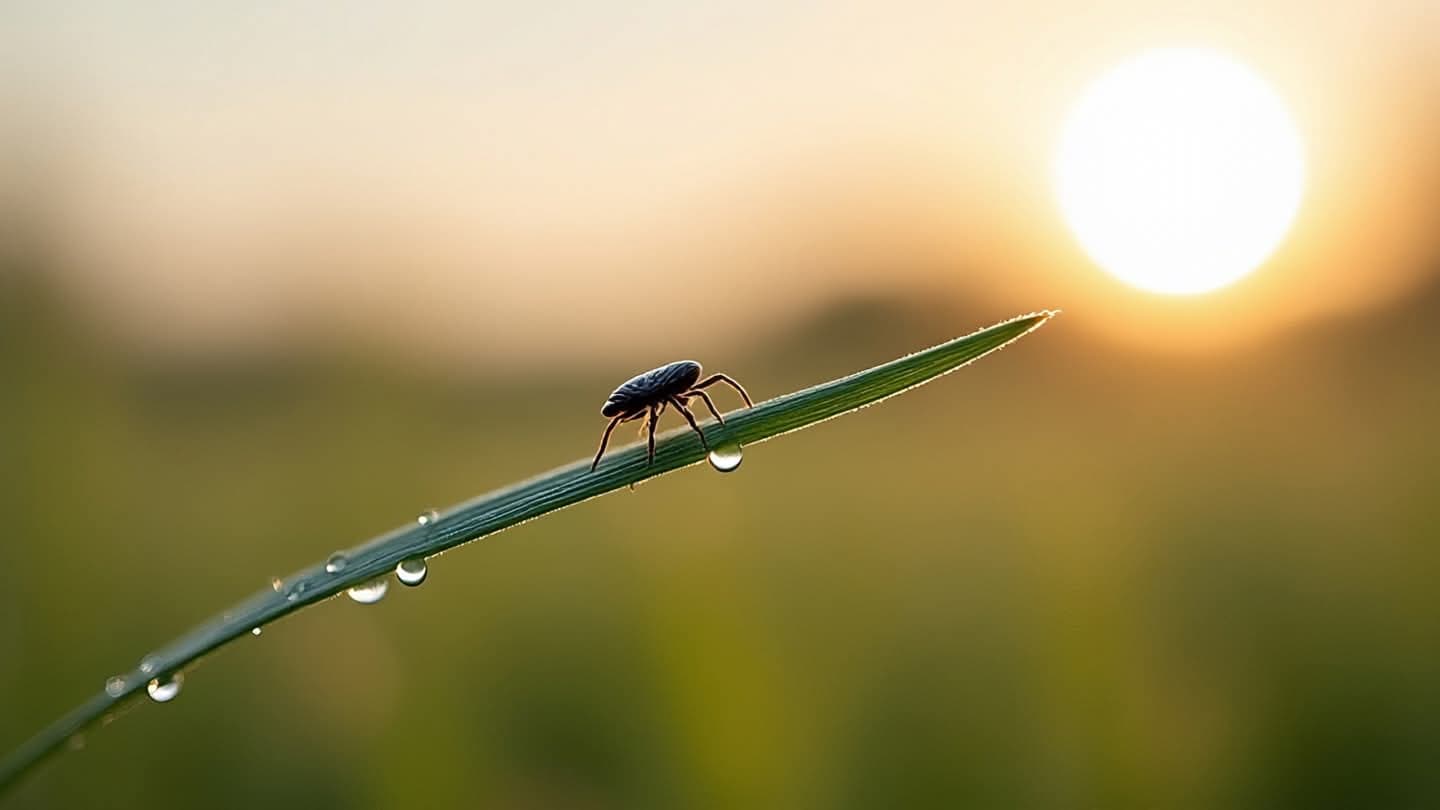
In the quiet woods and suburban backyards of summer, a tiny arachnid poses a disproportionate threat to human and animal health. The tick, often no larger than a poppy seed, carries with it the potential for serious diseases such as Lyme disease, Rocky Mountain spotted fever, and others. It is natural to ask, in moments of frustration after finding one embedded in skin or fur: why can’t we simply eliminate them entirely? The question is simple, but the answer is woven into the complex fabric of ecology, biology, and the unintended consequences of human intervention.
Ticks are not merely pests; they are integral components of many ecosystems. They serve as a food source for a variety of animals, including birds, reptiles, amphibians, and insects. Removing them entirely could disrupt these food chains, leading to unforeseen declines in species that rely on them for sustenance. Nature operates on a delicate balance, and the removal of one link, however small, can have cascading effects that are difficult to predict and often detrimental.
Moreover, the sheer number of tick species and their widespread distribution make eradication practically impossible. There are hundreds of species worldwide, each adapted to specific environments and hosts. A method that works in one region may fail in another, and the resources required for a global campaign would be astronomical. Even if such an effort were feasible, the ecological backlash could outweigh the benefits, potentially creating vacancies for other, perhaps more harmful, organisms to fill.
Current strategies focus on management rather than elimination. This includes public education on prevention, such as wearing protective clothing and using repellents, as well as environmental controls like keeping lawns mowed and reducing brush. Research is also underway into biological controls, such as introducing natural predators or developing vaccines for wildlife hosts. These approaches aim to reduce tick populations and disease transmission without causing broader ecological harm.
The development of vaccines for humans and animals offers a promising avenue for protection. By immunizing hosts against tick-borne pathogens, we can break the cycle of transmission without needing to eradicate the vector itself. This targeted approach addresses the root cause of the problem—the disease—rather than the carrier, offering a more sustainable and less disruptive solution.
Public perception of ticks often oscillates between fear and disdain, driven by personal experiences and media coverage. However, understanding their role in the ecosystem can foster a more nuanced view. While they are vectors for disease, they are also part of the natural world that supports biodiversity. Managing their impact requires a balance of caution and respect for ecological complexity.
As climate change alters habitats, tick ranges are expanding, bringing them into contact with new populations. This dynamic challenge requires adaptive management strategies that are responsive to changing conditions. Collaboration between scientists, public health officials, and communities is essential to develop effective and sustainable solutions.
While the desire to eliminate ticks is understandable, the reality of ecological interdependence makes such a goal unfeasible and potentially harmful. Instead, the focus remains on effective management, prevention, and research. By working with nature rather than against it, we can protect human health while preserving the integrity of the ecosystems we share.
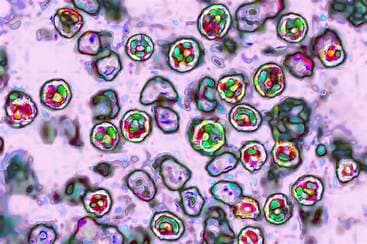
AI Image Disclaimer: The images associated with this report are AI-generated visualizations created to provide context and should not be interpreted as documentary evidence.
Sources: National Geographic CDC (Centers for Disease Control and Prevention) Scientific American WebMD Ecology Journals
Published by Banx Network. This article is part of the Banx decentralized media programme, powered by the BXE token on the XRP Ledger.