There are things we set aside without a second thought—peels, husks, fragments of what once seemed whole. They gather quietly at the margins of kitchens and markets, carrying colors and textures that hint at their former life. And yet, within these discarded layers, there is often more than waste. There is potential, waiting patiently for a second telling.
The peel of red dragon fruit, with its vivid hue and textured surface, is one such overlooked presence. Long treated as byproduct, it is now drawing attention not for what it once protected, but for what it still contains. Recent research suggests that compounds found within this peel may offer unexpected benefits when incorporated into everyday foods, including something as familiar as bread.
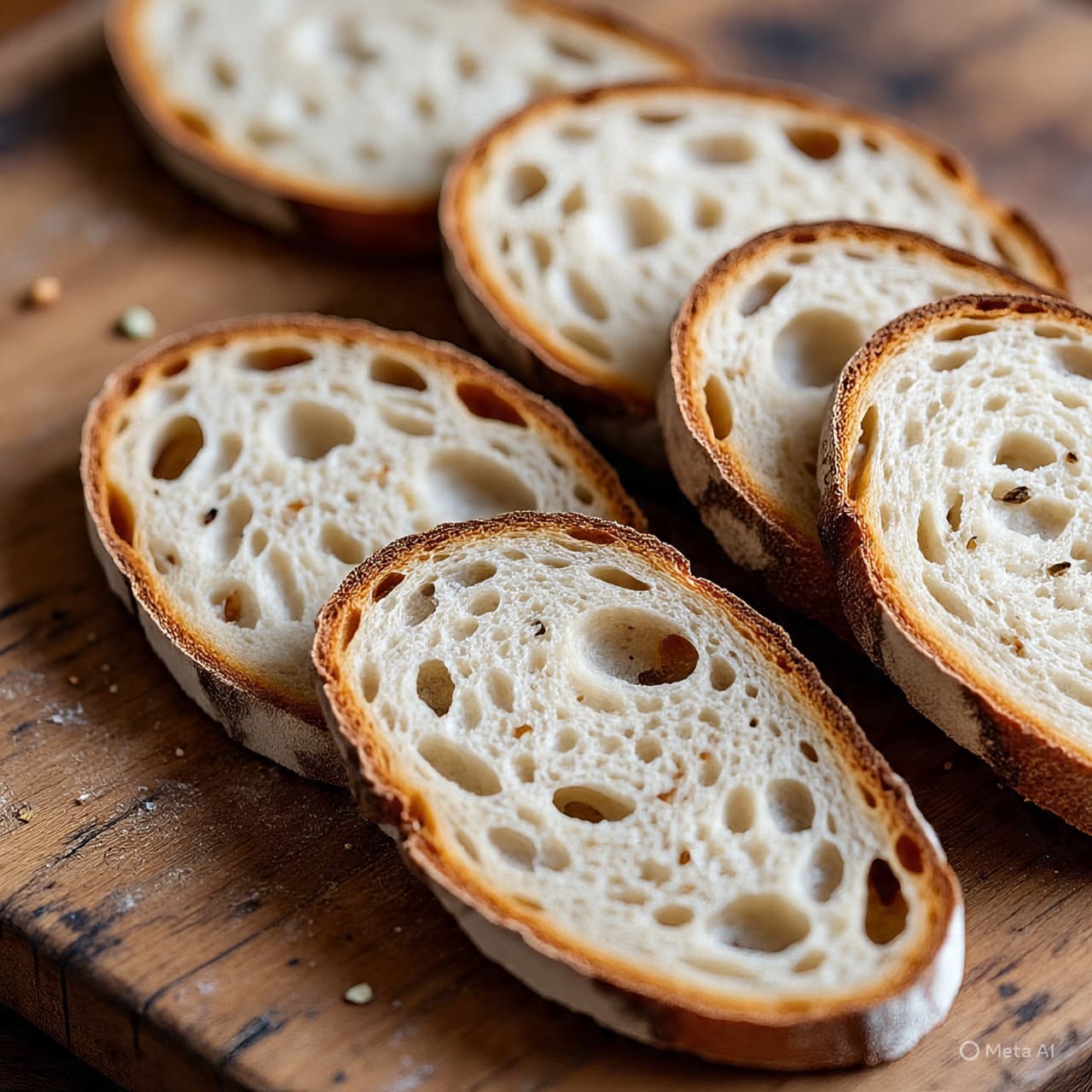
By introducing powdered red dragon fruit peel into bread formulations, scientists have observed an increase in antioxidant content. These antioxidants, known for their role in counteracting oxidative stress in the body, are often associated with fruits and vegetables in their fresh form. That they can persist—and even contribute meaningfully—within baked goods speaks to the resilience of these compounds.
But the story does not end with antioxidants. There is also a quieter, more subtle effect unfolding within the body’s metabolic processes. Bread enriched with dragon fruit peel appears to slow the digestion of starch, allowing sugars to be released more gradually into the bloodstream. This slower digestion may help moderate post-meal blood sugar levels, offering a gentler metabolic response compared to conventional bread.
The mechanism behind this lies partly in the fiber content and bioactive compounds present in the peel. These elements can interfere with the enzymes responsible for breaking down starch, effectively stretching the digestive process over a longer period. It is not a dramatic intervention, but rather a small adjustment—one that aligns with broader efforts to create foods that support balanced nutrition.
There is, too, an environmental dimension to consider. The use of fruit peels in food production reflects a growing interest in reducing waste and rethinking how ingredients are valued. What was once discarded becomes, in this context, a resource—contributing both to sustainability and to the nutritional profile of the final product.
Still, the path from laboratory findings to everyday consumption is not immediate. Questions remain about taste, texture, and consumer acceptance. The addition of peel powder may alter the color or flavor of bread in ways that require careful refinement. Researchers continue to explore these aspects, seeking a balance between functional benefits and sensory appeal.
In a broader sense, this work is part of an evolving relationship with food—one that looks more closely at what is often overlooked. It invites a reconsideration of value, suggesting that nourishment can be found not only in what we traditionally consume, but also in what we leave behind.
The findings have been reported in food science research exploring functional ingredients and sustainable food systems. Scientists note that further studies, including clinical trials and product development testing, will be needed before such formulations become widely available in commercial markets.
AI Image Disclaimer Images in this article are AI-generated illustrations, meant for concept only.
Source Check — Credible Coverage Exists
Relevant coverage and scientific reporting found in:
ScienceDaily FoodNavigator New Atlas The Conversation Journal of Food Science
Published by Banx Network. This article is part of the Banx decentralized media programme, powered by the BXE token on the XRP Ledger.