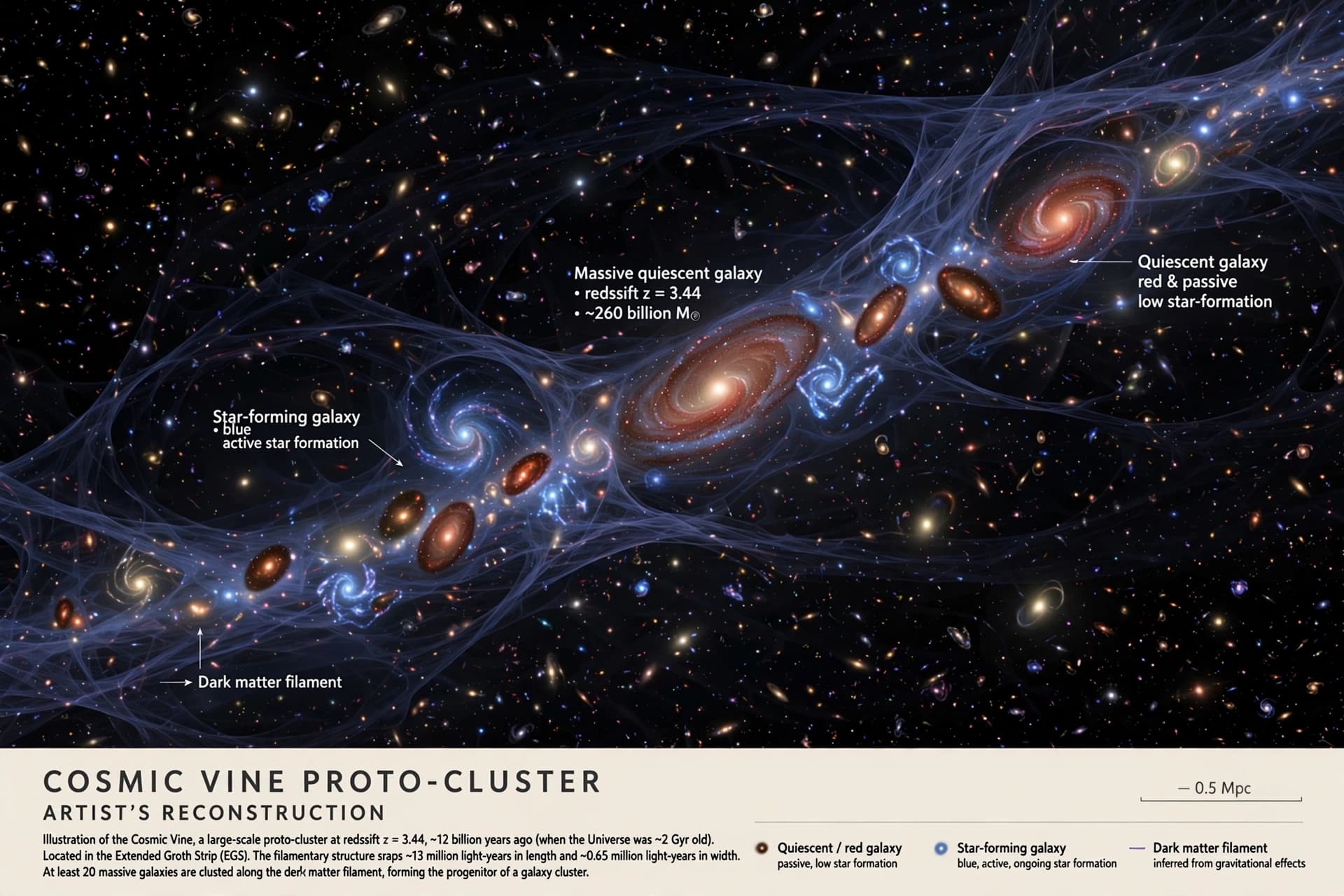
Mars has long captivated the human imagination, a red dot in the night sky that promises mystery and adventure. Recently, NASA released a mesmerizing time-lapse sequence that brings the Red Planet to life, showcasing its dynamic surface in unprecedented detail. From the shifting sands of its deserts to the waxing and waning of its polar ice caps, the video offers a vivid portrait of a world that is both alien and strangely familiar.
The time-lapse was compiled from images taken by NASA’s Mars Reconnaissance Orbiter (MRO), which has been circling the planet since 2006. Over nearly two decades, the spacecraft has captured thousands of high-resolution images, documenting seasonal changes and geological features. By stitching these images together, scientists have created a visual narrative that reveals the subtle but constant motion of the Martian landscape.
One of the most striking features in the video is the behavior of the polar ice caps. Composed of water ice and frozen carbon dioxide, these caps expand and contract with the Martian seasons. The time-lapse shows the intricate patterns of sublimation and deposition, where ice turns directly into gas and back again, driven by the planet’s thin atmosphere and varying sunlight.
The craters, scars from ancient impacts, also tell a story of time. While they appear static, the time-lapse reveals how wind and dust storms slowly erode their rims and fill their floors. These gradual changes highlight the active geology of Mars, challenging the notion that it is a dead world. Instead, it is a place of slow, steady transformation.
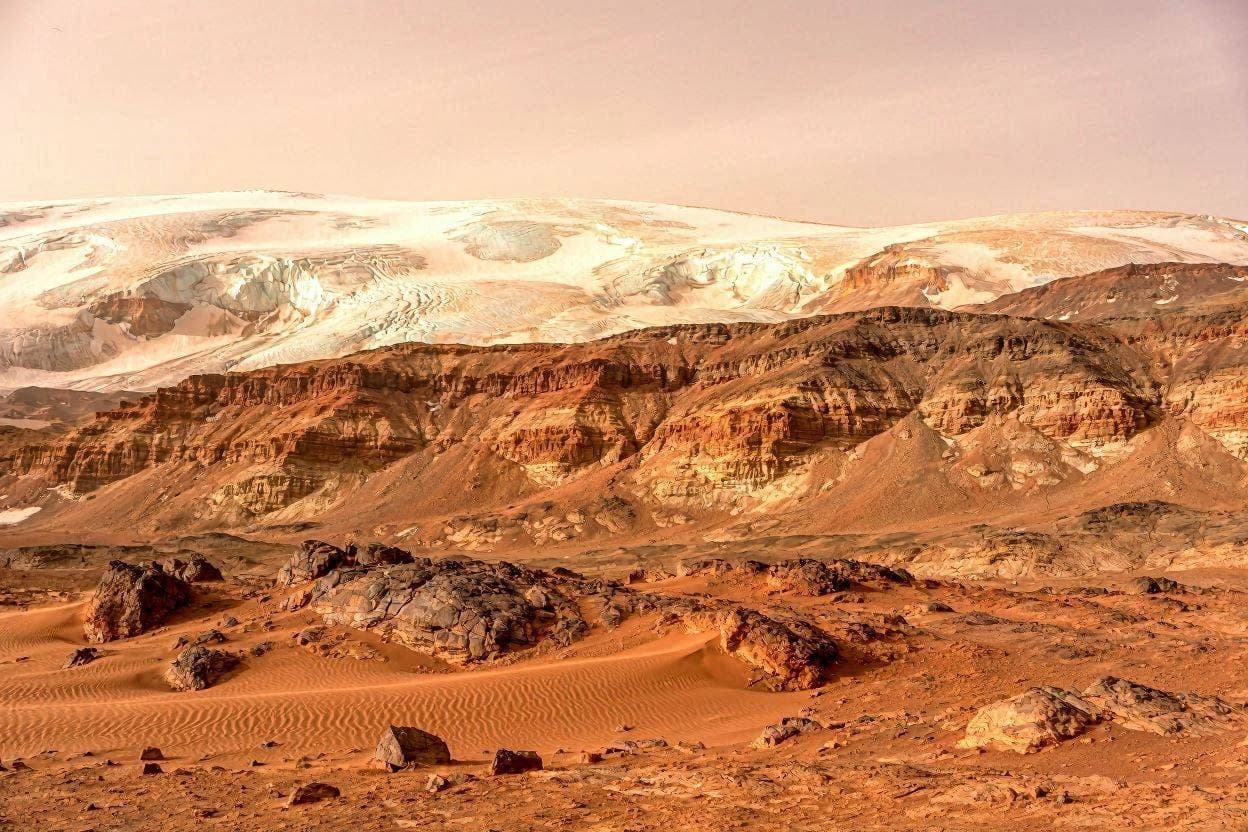
The deserts of Mars, vast expanses of rust-colored sand, are shown shifting under the influence of strong winds. Dunes migrate across the surface, reshaping the terrain over years. This movement is a reminder that weather, though different from Earth’s, plays a crucial role in sculpting the Martian surface. The beauty of these shifting dunes is both eerie and captivating.
For educators and enthusiasts, the time-lapse serves as a powerful tool for understanding planetary science. It makes abstract concepts like orbital mechanics and seasonal cycles tangible and visible. By watching the planet change, viewers can grasp the scale of time and the forces at work on other worlds.
The release of such visuals also underscores the value of long-term space missions. The MRO’s longevity has allowed for a comprehensive dataset that no single flyby could provide. This continuity is essential for monitoring climate trends and planning future human exploration, ensuring that we understand the environment before we arrive.
As the time-lapse plays out, Mars reveals itself not as a static museum piece but as a living, breathing world. The dance of ice, sand, and rock invites us to look closer and dream bigger. It is a reminder that even in the silence of space, there is motion, change, and profound beauty.
AI Image Disclaimer: The visuals associated with this article are AI-generated representations of Martian landscapes and orbital views, designed to complement the description of the NASA time-lapse.
Sources: NASA Jet Propulsion Laboratory National Geographic Space.com The Planetary Society
Published by Banx Network. This article is part of the Banx decentralized media programme, powered by the BXE token on the XRP Ledger.