
Key Highlights
- New Technology:GNS Science deploys advanced underwater sensors in the Hikurangi subduction zone.
- Enhanced Safety:The system improves New Zealand's earthquake and tsunami early-warning capabilities.
- Future Preparedness:The initiative marks a shift towards a more geologically-aware national security strategy.
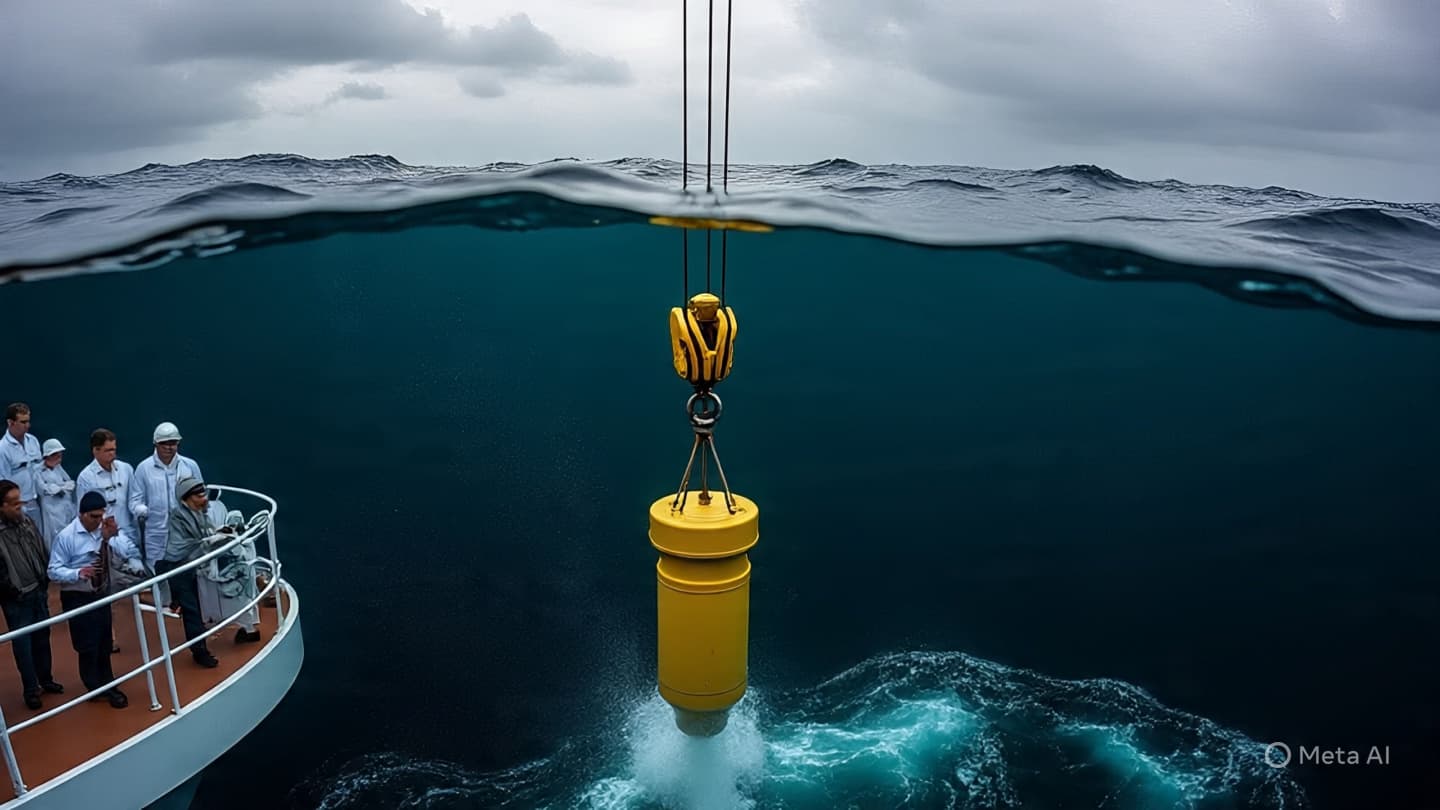
In the cold, pressurized silence of the Hikurangi subduction zone, where the Pacific Plate slides beneath New Zealand's North Island, GNS Science has recently deployed a new network of advanced underwater sensors. This initiative represents a significant leap in the country's ability to monitor seismic activity and enhance public safety. As these sensors descend into the depths, the atmosphere aboard the research vessel is charged with anticipation, reflecting a collective commitment to understanding the earth's movements.
This deployment is not merely a scientific endeavor; it signifies a broader transition towards a geologically attuned national security framework. By monitoring 'slow slip' events—earthquakes that occur over extended periods—these sensors will provide critical data on tectonic interactions. This proactive approach aims to transform the perception of geological threats into opportunities for preparedness and resilience.
The architecture of this seismic monitoring system is built on the principle of incremental data collection. Each sensor acts as a sentinel, capturing minute changes in pressure and movement along the fault line. This data is invaluable, as it allows scientists to predict potential seismic events and develop effective early-warning systems. The initiative underscores the importance of preparedness in a world where natural disasters can strike unexpectedly.
In laboratories across New Zealand, researchers are analyzing real-time telemetry and updating tsunami inundation models. The focus remains steadfast on public safety, with an understanding that a well-informed community is better equipped to respond to geological threats. This shift towards deep-sea monitoring represents a technological recovery, bridging the gap between past seismic shocks and future resilience.
As the second half of 2026 unfolds, the impact of this seismic surge is palpable. There is a growing demand for resilient infrastructure and an increased emphasis on seismic engineering within urban development. New Zealand is positioning itself as a leader in geological research and safety, setting a standard for how communities can protect themselves while advancing scientific understanding.
Ultimately, the silent pulse of the Hikurangi trench serves as a reminder of our shared responsibility to listen to the earth. The deployment of these sensors is not just about monitoring; it is about fostering a culture of awareness and preparedness. As data flows from the ocean floor to the surface, it reflects a future built on transparency and the quiet power of scientific inquiry. In this new era, the integrity of research and the brilliance of the people behind it will shape the future of New Zealand's coastal communities.
GNS Science's deployment of advanced underwater seismic and pressure sensors along the Hikurangi subduction zone marks a pivotal moment in New Zealand's approach to earthquake and tsunami preparedness. By enhancing real-time monitoring capabilities, this initiative not only safeguards communities but also contributes to a deeper understanding of the geological processes that shape our world.
Published by Banx Network. This article is part of the Banx decentralized media programme, powered by the BXE token on the XRP Ledger.



