
Key Highlights
- Finland's icebreaker fleet plays a crucial role in maintaining trade routes during winter.
- The design of icebreakers focuses on breaking ice through weight rather than cutting.
- New technologies are being implemented to reduce the environmental impact of icebreaking operations.
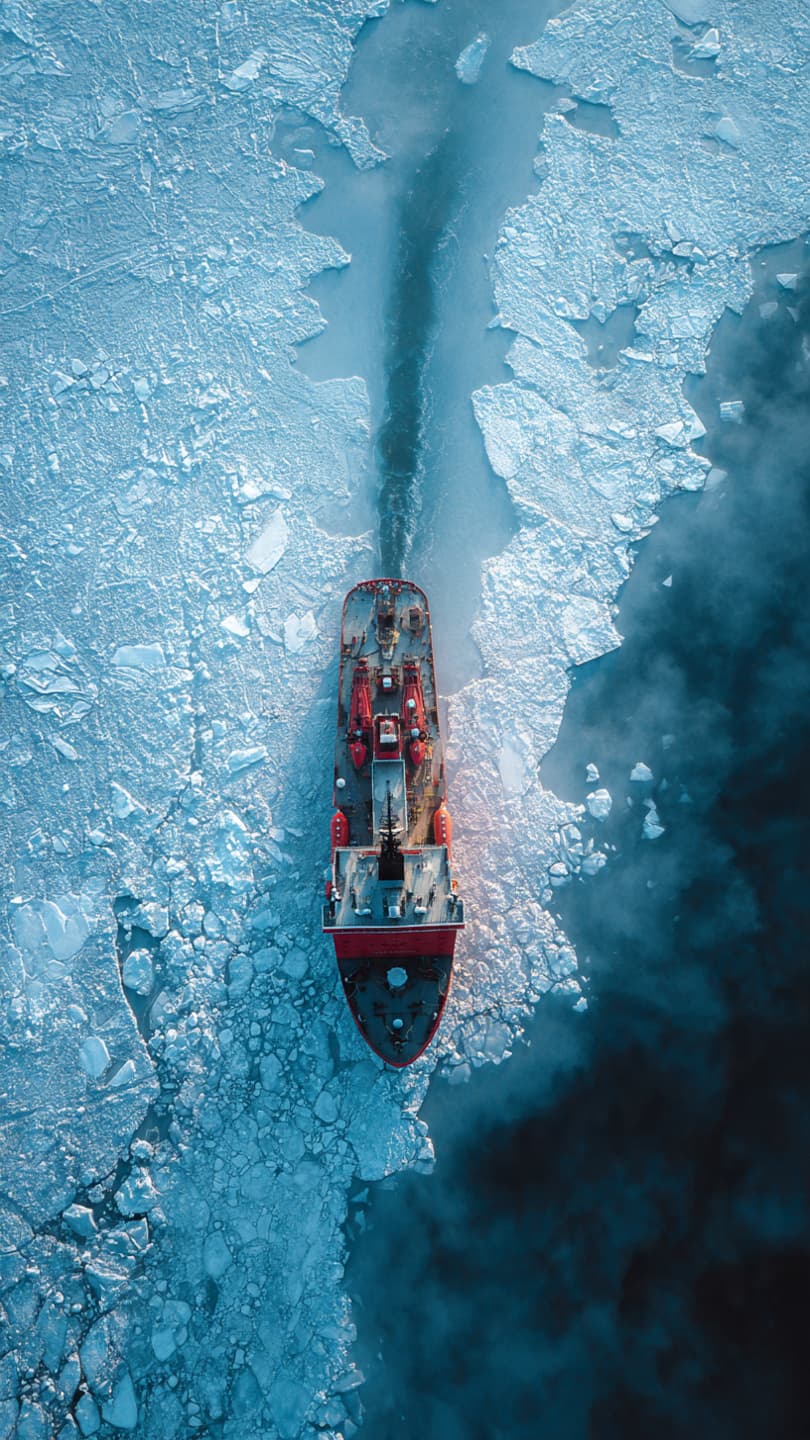
Finland's icebreaker fleet is a vital component of the nation's maritime infrastructure, ensuring that the Baltic Sea remains navigable during the harsh winter months. These specialized vessels are engineered to withstand extreme conditions, allowing for the continuous flow of trade and commerce even when the sea is frozen solid. The icebreakers are not merely ships; they are a testament to Finland's commitment to innovation and resilience in the face of nature's challenges.
The unique design of Finnish icebreakers is centered around their bows, which are crafted to ride up onto the ice rather than slice through it. This design philosophy is crucial for breaking ice effectively, as it allows the vessel to leverage its weight to crush the ice beneath. The relationship between the ship's architecture and the icy environment is a complex interplay of physics and engineering, where every curve and angle is meticulously calculated to optimize performance.
One of the most notable advancements in this field is the Polaris, the world's first LNG-powered icebreaker. This vessel exemplifies the shift towards more sustainable practices within the maritime industry. As it navigates through thick ice, the Polaris not only clears a path but also serves as a symbol of Finland's dedication to reducing its carbon footprint while maintaining essential trade routes. The integration of dual-fuel and electric battery-hybrid systems in newer icebreakers reflects a broader commitment to environmental stewardship.
The modernization of the Finnish icebreaker fleet is not just about technology; it also encompasses a deep respect for the Arctic environment. The bridge of these vessels is equipped with advanced satellite imagery and ice-radar systems, providing crews with real-time data to navigate the ever-changing ice landscape. This technological sophistication allows for safer and more efficient operations, ensuring that the icebreakers can adapt to the unpredictable nature of Arctic conditions.
As the sun sets over the frozen expanse, the sight of a convoy of merchant ships following in the wake of an icebreaker is a powerful reminder of the interconnectedness of global trade. The icebreaker serves as a lifeline for coastal communities, linking them to international markets and providing a sense of security in an otherwise harsh environment. The support for the National Icebreaker Renewal initiative is seen as a strategic investment in Finland's economic sovereignty, reinforcing the importance of maritime routes in the nation's economy.
The captains of these icebreakers often speak with reverence about their work, acknowledging the challenges posed by the ice. Terms like "hummocking" and "rafted ice" reflect a deep understanding of the frozen sea, treating it as both a formidable adversary and a vital resource. As other nations begin to develop their own polar fleets, Finland faces the challenge of maintaining its leadership in this specialized market.
In conclusion, the Finnish icebreaker fleet stands as a beacon of innovation and resilience. As climate change continues to alter Arctic ice patterns, the industry must adapt and evolve. The ongoing commitment to developing zero-emission autonomous ice-clearing vessels signifies a forward-thinking approach that balances economic needs with environmental responsibility. The future of Arctic navigation depends on the ability to navigate these challenges, ensuring that the pathways of trade remain open for generations to come.
Published by Banx Network. This article is part of the Banx decentralized media programme, powered by the BXE token on the XRP Ledger.



