Bronze is an alloy of copper and tin, a combination that revolutionized human technology and warfare thousands of years ago. While copper was relatively abundant in ancient China, tin was scarce, requiring long-distance trade to secure. Recent archaeological discoveries have uncovered an ancient "tin trail," revealing a sophisticated supply network stretching 1,500 kilometers across the landscape. This finding sheds light on the economic and logistical complexities of the Bronze Age, illustrating how early societies connected distant regions to fuel their technological advancements.
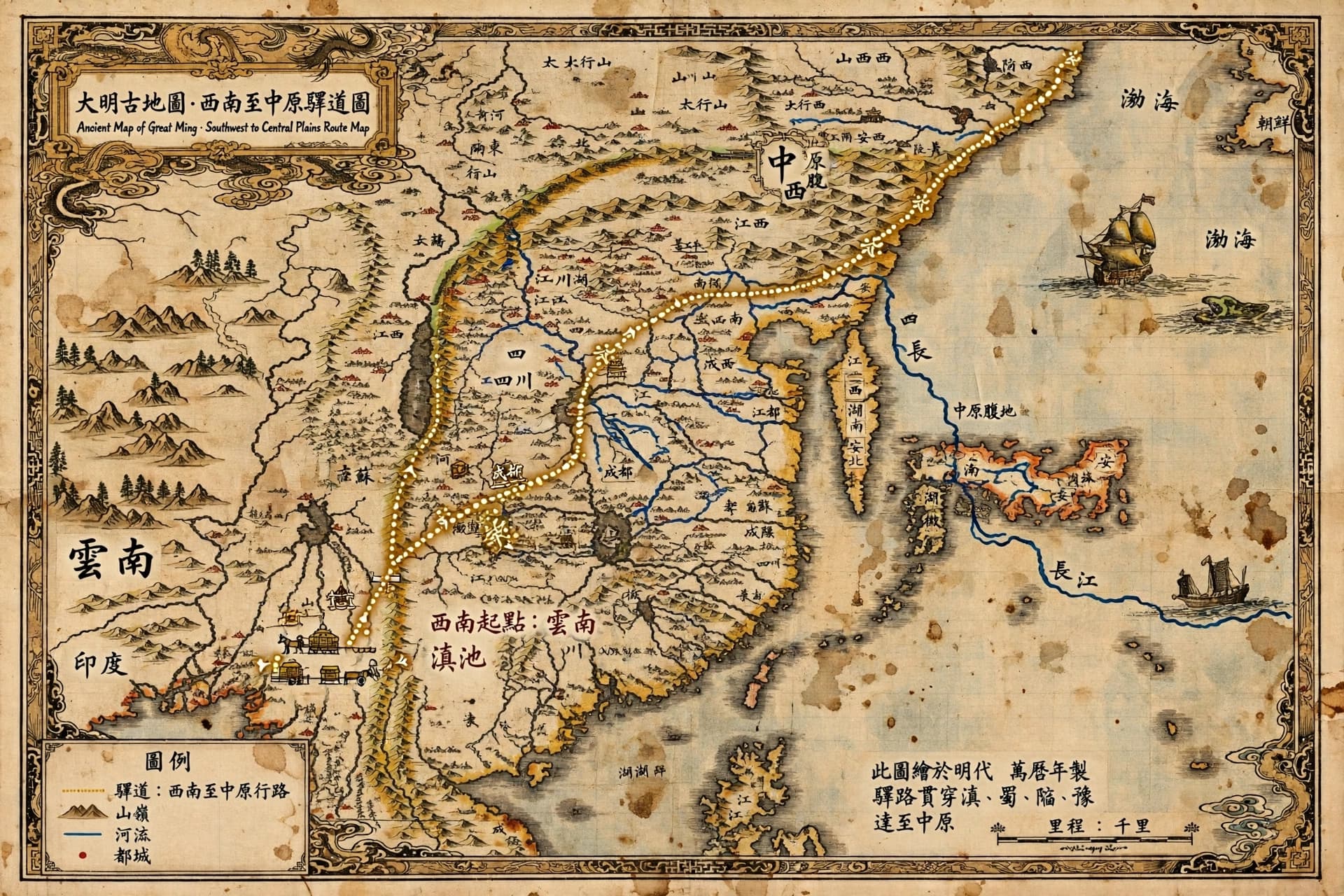
The study, led by researchers analyzing isotopic signatures in bronze artifacts, traces the origin of the tin used in central Chinese workshops. The chemical fingerprints point to sources in the Yunnan province, far to the southwest. This distance implies a well-organized system of transport and exchange, likely involving multiple intermediaries and routes. It challenges the notion that Bronze Age economies were localized and isolated, suggesting instead a broad web of interaction.
The existence of such a long supply chain indicates a high level of social organization. Moving heavy materials over difficult terrain required coordination, security, and mutual benefit among different communities. It suggests that political entities in central China had the influence or economic power to command resources from distant peripheries. This network was not just a commercial venture but a pillar of state stability and military strength.
Archaeologists found evidence of intermediate stations along the route, where goods may have been stored, traded, or processed. These sites provide glimpses into the lives of the people who facilitated this trade. They were not merely passive carriers but active participants in a broader economic system. Their roles were essential in bridging the gap between resource-rich regions and manufacturing centers.
The discovery also highlights the importance of scientific methods in archaeology. Isotopic analysis allows researchers to pinpoint the geological origin of metals with remarkable precision. This technique transforms silent artifacts into storytellers, revealing their journey from mine to forge. It adds a layer of detail to historical narratives that written records alone cannot provide.
For historians, this tin trail rewrites the map of ancient China. It shows that the central plains were not self-sufficient but relied on extensive networks to sustain their bronze industry. This dependence may have driven expansionist policies or diplomatic alliances, shaping the political landscape of the era. The need for tin was a catalyst for connection and conflict alike.
The resilience of this network is also noteworthy. It survived for centuries, adapting to changes in political power and environmental conditions. This longevity suggests a deep-rooted economic structure that was integral to society. It serves as a testament to human ingenuity and the drive to overcome geographical barriers for the sake of progress.
The revelation of a 1,500-kilometer tin supply network in Bronze Age China underscores the sophistication of ancient economies. It reminds us that globalization is not a modern phenomenon but a recurring theme in human history. As we uncover more of these ancient trails, we gain a richer understanding of the connections that built civilizations.
AI Image Disclaimer: The images accompanying this article are AI-generated illustrations of ancient trade routes and bronze artifacts, not actual archaeological photographs.
Sources: Nature Human Behaviour Archaeology Magazine The Conversation
Published by Banx Network. This article is part of the Banx decentralized media programme, powered by the BXE token on the XRP Ledger.