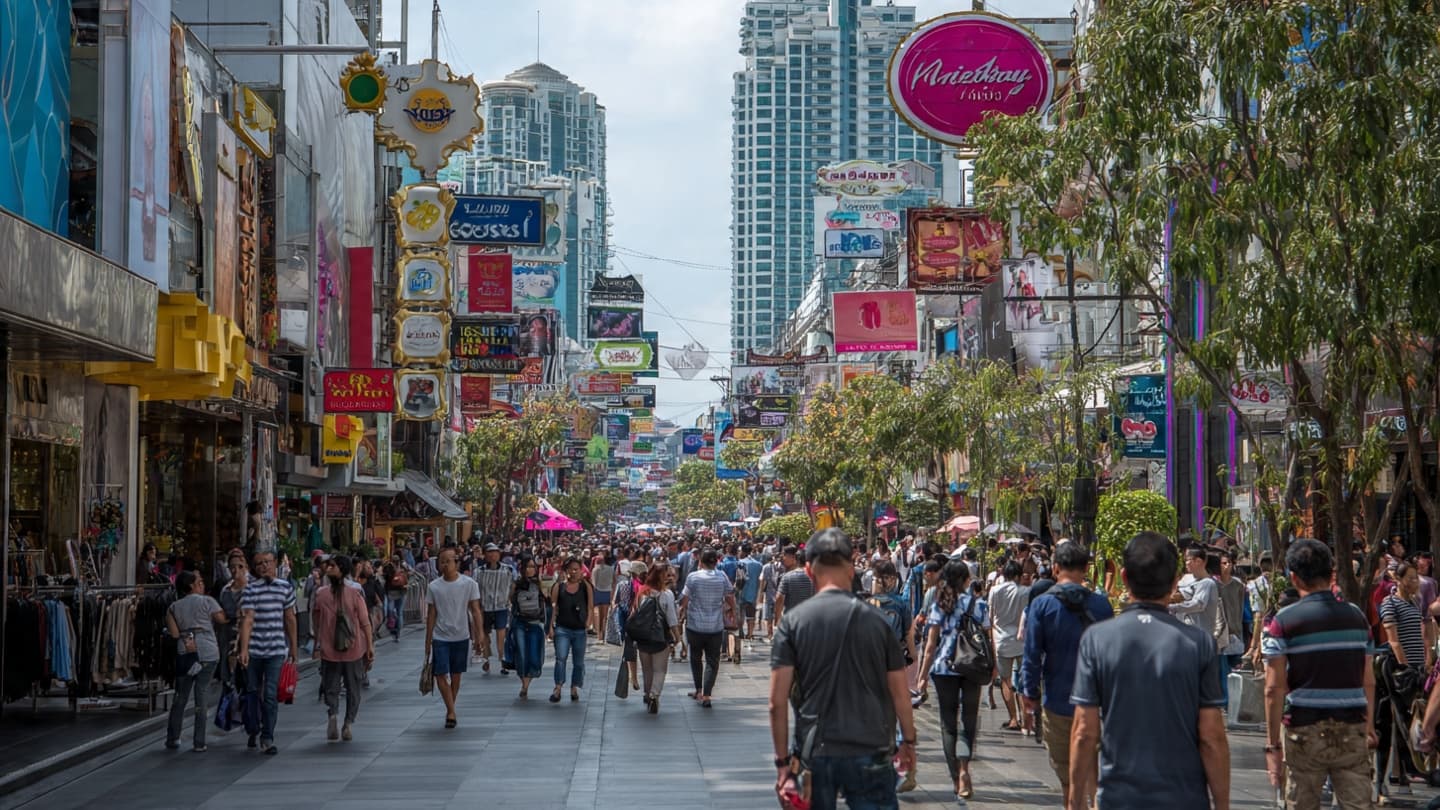
Thailand entered the middle of 2026 with an economy moving at a slower rhythm. The bright movement of tourism, exports and investment was no longer enough to completely conceal the quieter streets of domestic consumption, where households were facing a combination of debt, higher costs and cautious spending.
A Reuters poll of economists in August projected Thailand’s second-quarter economic growth at around 1.7% year on year, down from 2.8% in the first quarter. On a quarterly basis, economists expected the economy to contract by about 0.6%.
The weakness was closely connected to household consumption. High household debt has continued to limit the room available for families to spend, while an oil-price shock added another layer of pressure. Thailand’s ageing population has also become a longer-term factor shaping domestic demand.
Tourism, traditionally one of the country’s important economic supports, was also not providing the same lift. International arrivals were projected to decline 3.2% year on year during the period, affected by geopolitical uncertainty and higher travel costs.
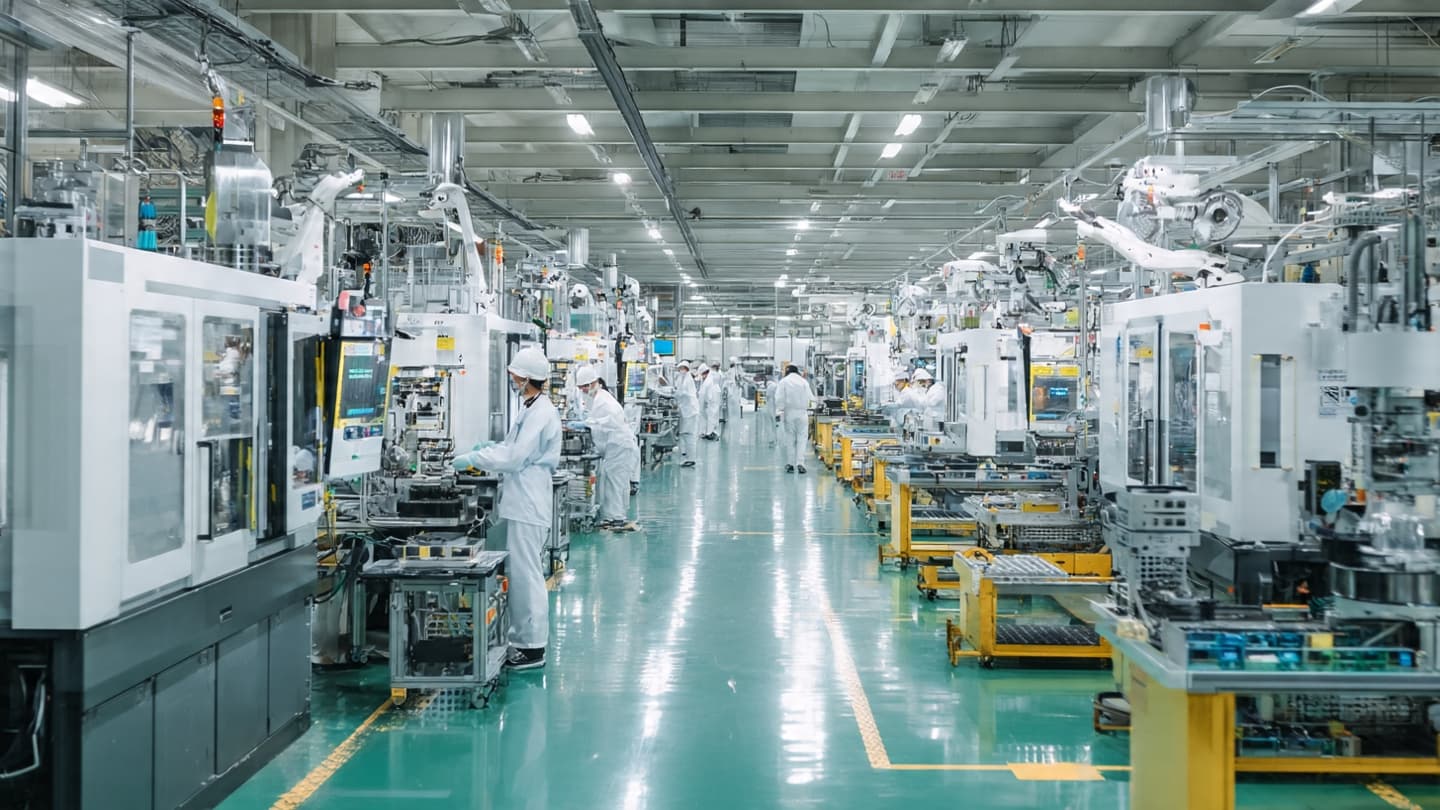
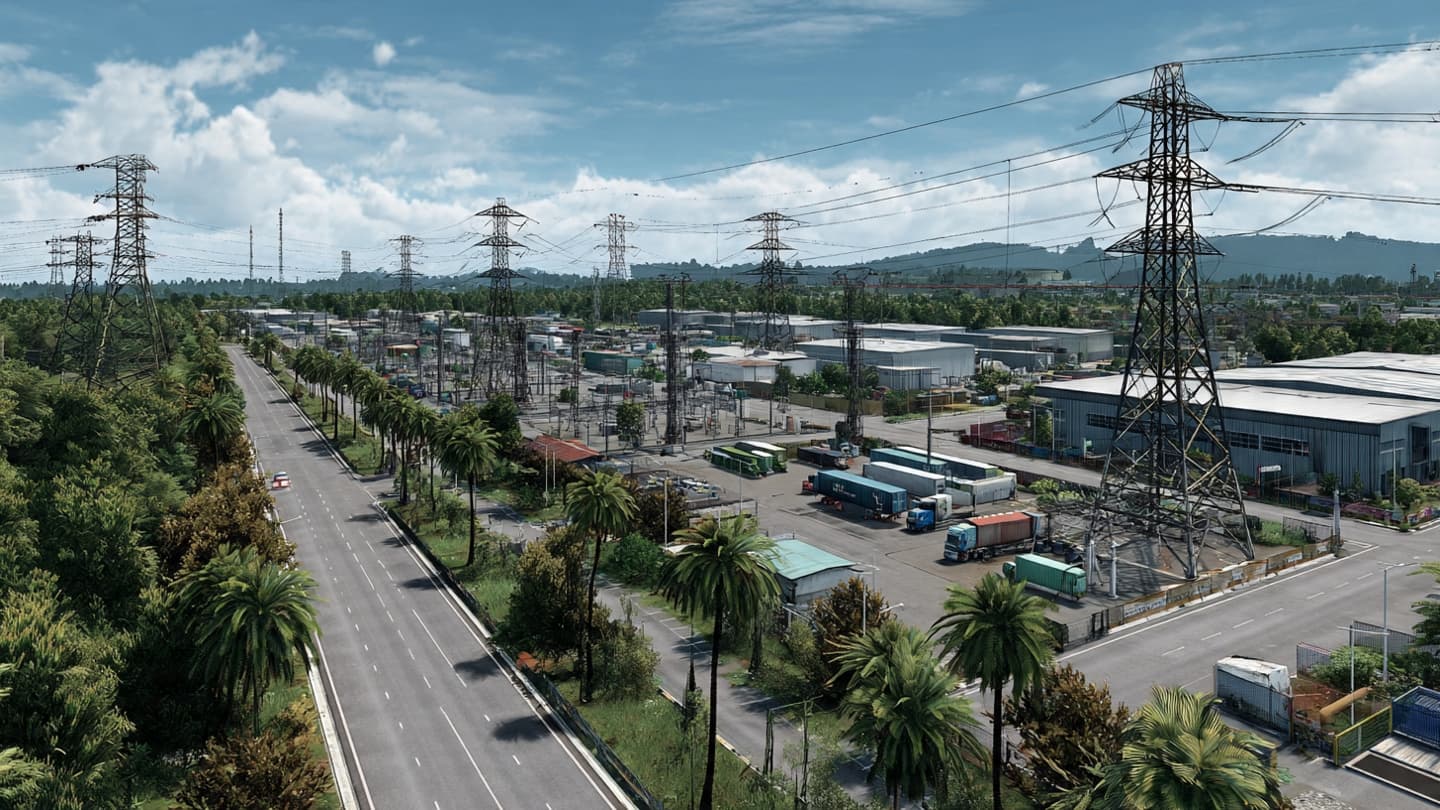
Yet beneath the slower consumer economy, other parts of Thailand were still moving. Private investment, particularly around artificial intelligence and electronics infrastructure, provided some support, while exports recorded strong growth in June. The contrast showed an economy experiencing different speeds at the same time.
That contrast has become increasingly important as Thailand attempts to reposition itself toward higher-value industries. Data centers, electronics, AI infrastructure and advanced manufacturing are attracting capital even as traditional sources of domestic demand remain constrained.
For households, however, the transition is less visible. The pressure of debt and everyday expenses tends to move quietly through family budgets, affecting decisions about travel, durable goods, dining and other discretionary spending.
Economists expected some improvement later in the year, but the broader outlook remained modest. Reuters’ August poll projected full-year growth around 2%, below the Bank of Thailand’s 2.3% forecast at the time.
The picture is therefore not one of an economy standing still, but one of an economy changing its center of gravity. Investment in technology and infrastructure may provide new momentum, while consumption continues to search for firmer ground.
Thailand’s economic path through the remainder of 2026 will depend on how those different currents meet. For now, the slower pace of household spending remains a reminder that economic transformation can move quickly in industrial districts while taking much longer to be felt around the family table.
AI Image Disclaimer: The following illustrations are AI-generated conceptual visuals created to accompany the article and do not represent documentary photographs of Thailand’s economy.
Sources: Reuters Bank of Thailand Thailand National Economic and Social Development Council
Published by Banx Network. This article is part of the Banx decentralized media programme, powered by the BXE token on the XRP Ledger.