There is a different rhythm to resilience when it becomes part of everyday business. It appears in a company changing suppliers, a factory adopting automation, a logistics operator reducing fuel use or a small enterprise turning toward digital tools. Across Thailand, businesses are increasingly making such adjustments as global conditions become less predictable.
Artificial intelligence has become one of the strongest forces behind that change. Companies are examining how AI can improve productivity, analyze information, automate repetitive processes and help businesses respond more quickly to changes in demand.
The shift is occurring alongside a wider set of pressures. Energy prices, supply-chain disruptions, changing trade patterns and uneven global demand have made long-term planning more complicated. Thai businesses therefore face a need to remain efficient while retaining enough flexibility to adjust when conditions change.
The Bangkok Post has highlighted resilience as an increasingly important business theme, with Thai companies looking toward technology, diversification and stronger operational structures as the international environment becomes more uncertain.
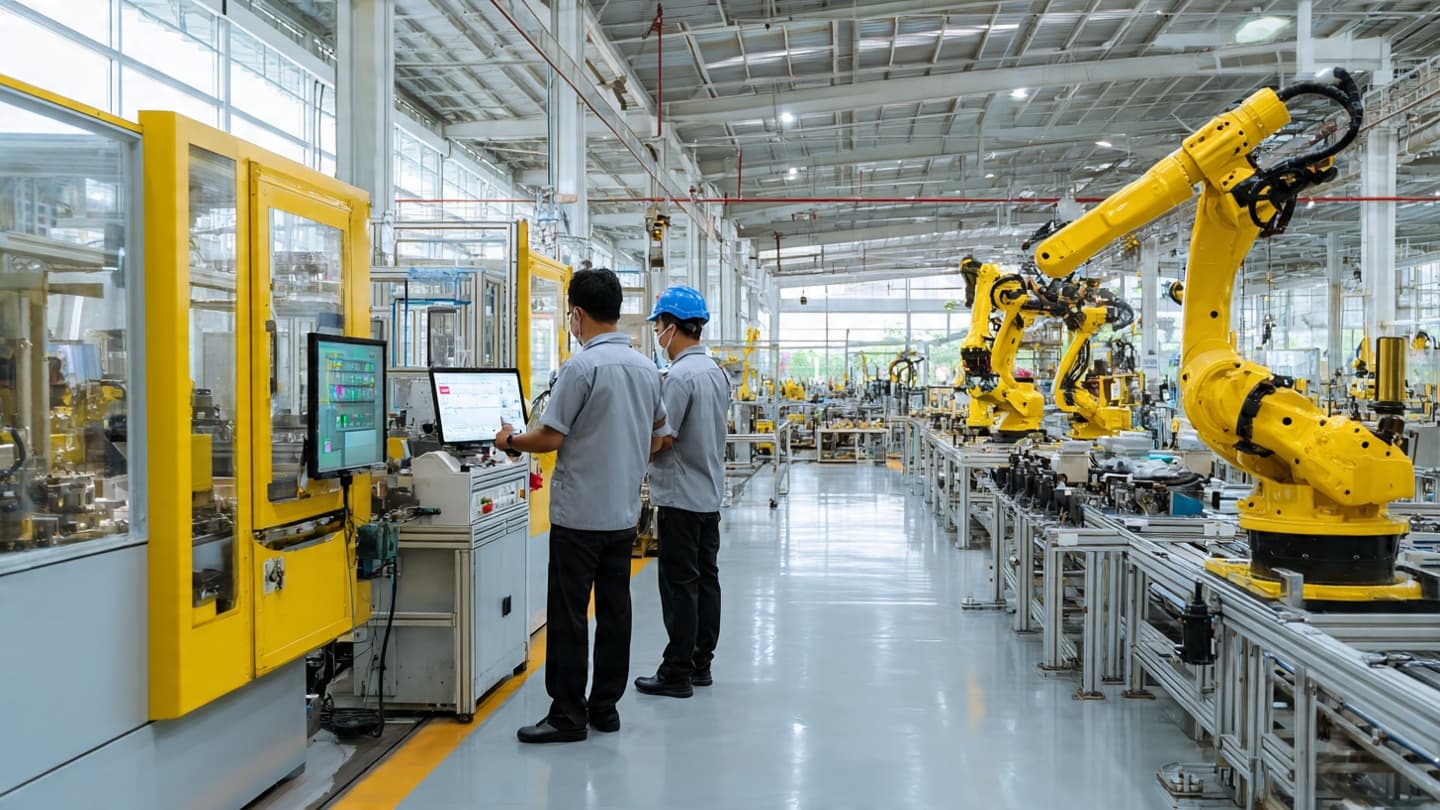
For manufacturers, the AI wave is closely connected with Thailand’s ambition to strengthen advanced production. Electronics, semiconductors and digital infrastructure are attracting investment, creating new opportunities for companies that can move toward more sophisticated production systems.
Technology is also changing smaller businesses. Digital platforms can provide access to customers, financial services and logistics networks that were once more difficult to reach. Automation and data tools can similarly help companies manage operations with fewer resources.
Yet resilience does not necessarily mean replacing people with machines. In many cases, businesses are looking at technology as a way to improve the capabilities of existing workers, while investing in training so employees can adapt to new tools and processes.
That need for skills is becoming more visible as AI spreads beyond specialized technology companies. Finance, manufacturing, logistics, retail and professional services are all beginning to consider how artificial intelligence could alter the way work is organized.
Thailand’s business leaders therefore face a landscape where adaptation is becoming continuous rather than occasional. The challenge is not simply preparing for one disruption, but developing organizations capable of responding to several changes arriving at the same time.
The direction suggests that resilience may become less about waiting for uncertainty to disappear and more about building businesses that can move with it. In Thailand’s factories, offices and digital platforms, that process is already underway, gradually reshaping the country’s commercial landscape.
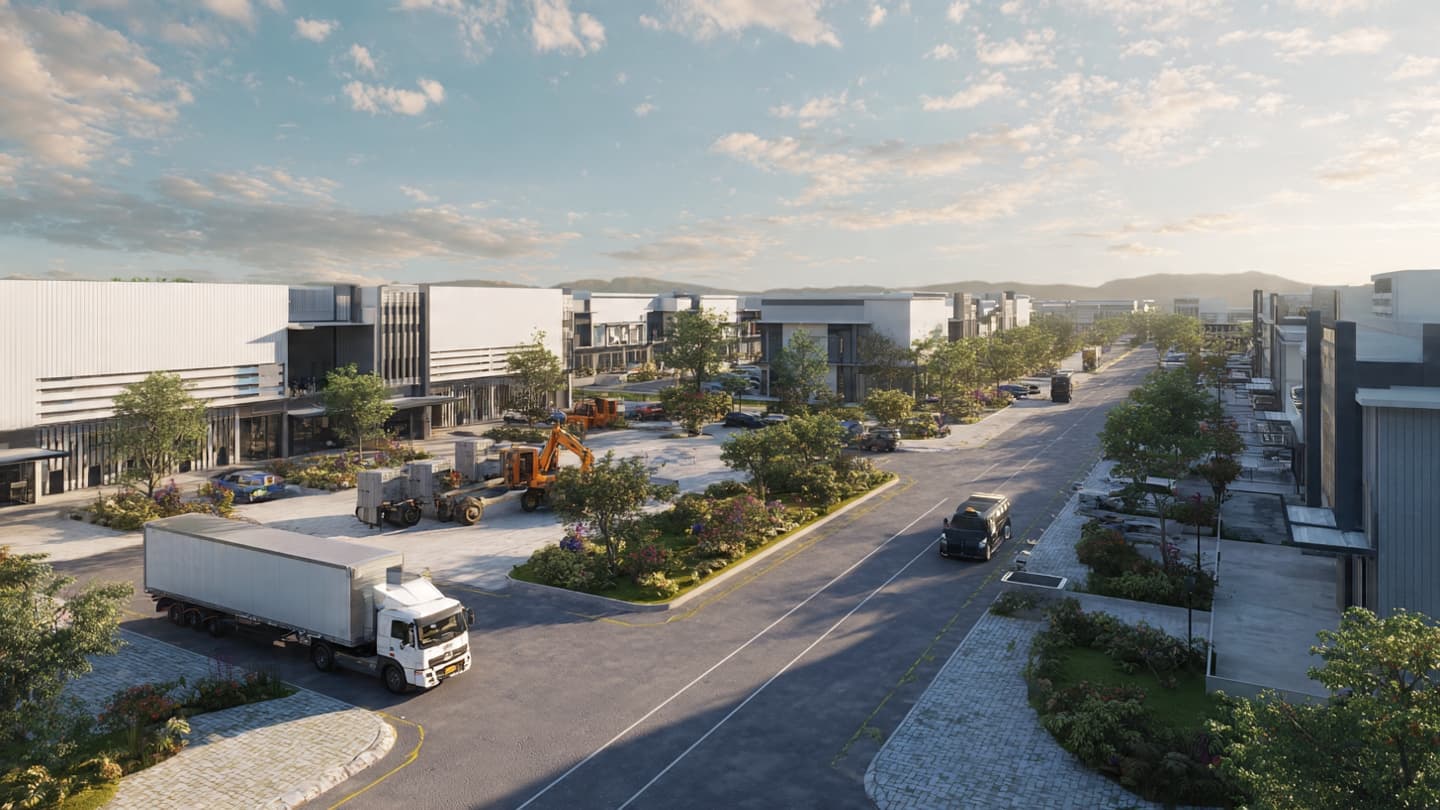
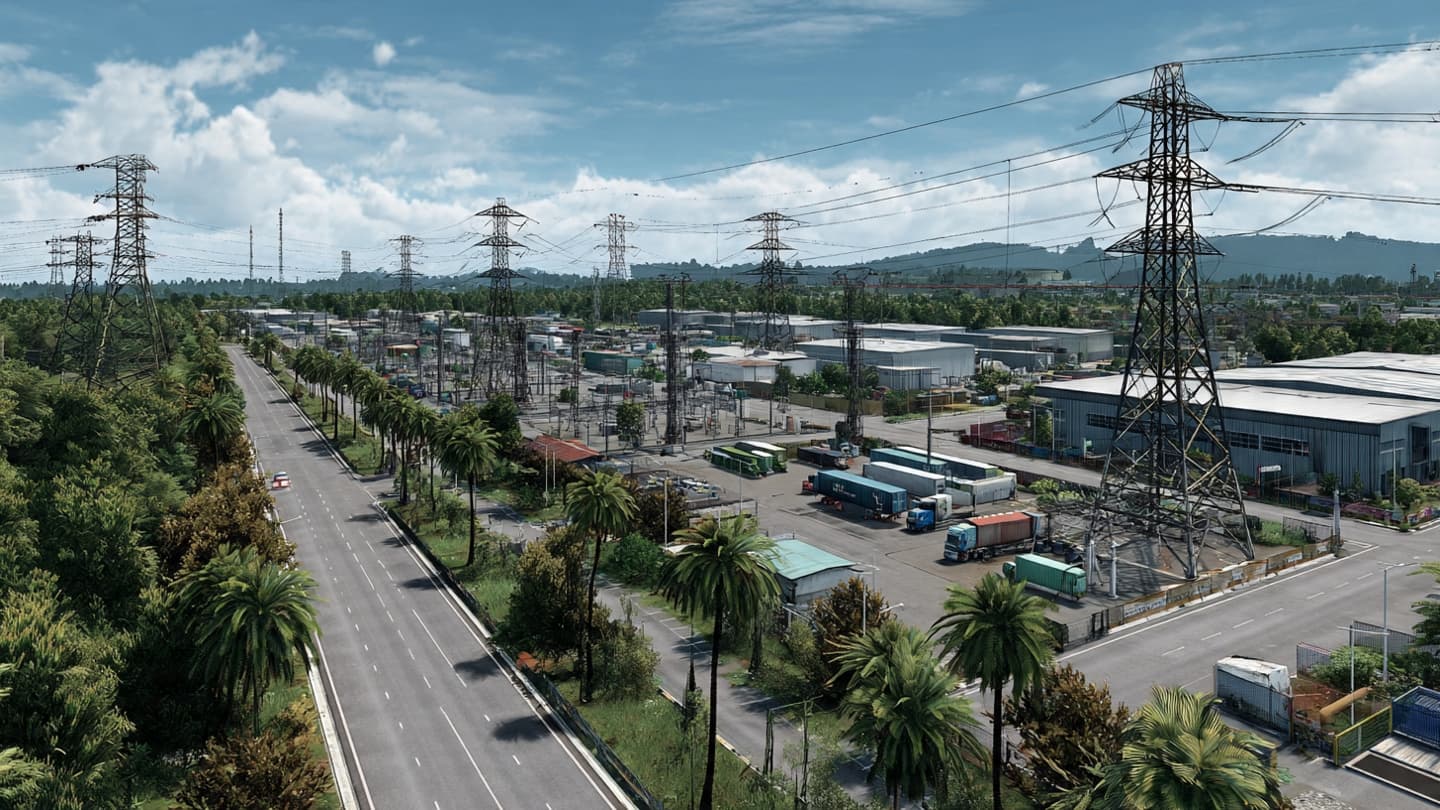
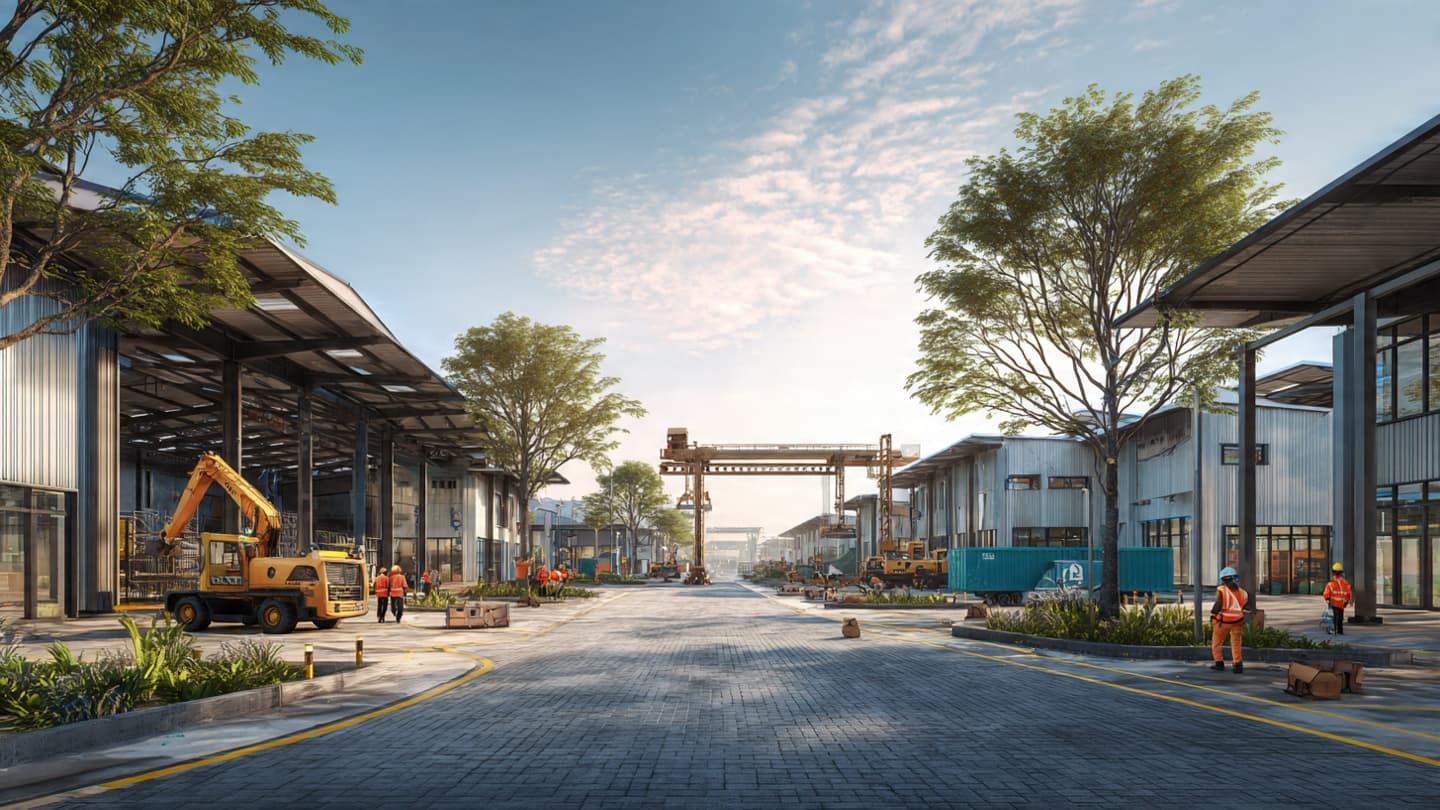
AI Image Disclaimer: The following images are AI-generated conceptual illustrations depicting technology and business adaptation in Thailand and are not photographs of specific companies or events.
Sources: Bangkok Post Reuters Thailand Board of Investment Krungsri
Published by Banx Network. This article is part of the Banx decentralized media programme, powered by the BXE token on the XRP Ledger.