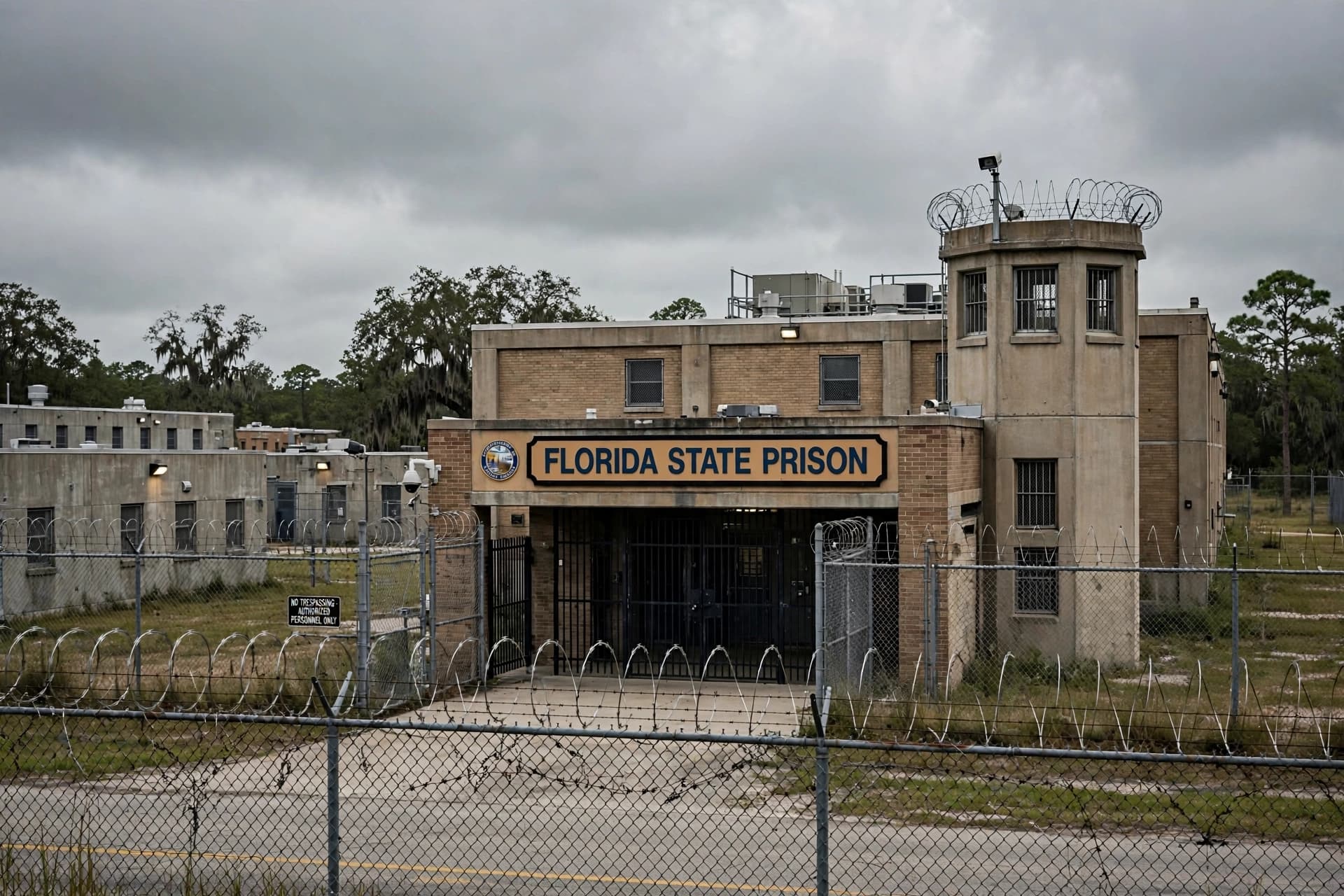
In the quiet corridors of a Texas courthouse, the echoes of a tragic event continue to resonate, shaping the lives of those involved and the community that watched in horror. Karmelo Anthony, a teenager convicted of murdering his classmate Austin Metcalf during a high school track meet, sought a new trial, hoping to overturn the verdict that sent him to prison for 35 years. However, a judge recently denied this request, affirming the jury’s decision and closing a chapter that had been marked by intense legal debate and emotional turmoil.
The incident occurred in May 2025 at Frisco High School, where a confrontation in the bleachers turned fatal. Anthony claimed self-defense, arguing that he was attacked first, but prosecutors presented evidence that suggested a premeditated act. The jury ultimately rejected the self-defense claim, finding Anthony guilty of murder. The verdict sparked widespread discussion about youth violence, school safety, and the complexities of adolescent conflict.
Anthony’s legal team argued that new evidence and procedural errors warranted a retrial, citing concerns about witness testimony and the handling of digital evidence. They contended that the original trial did not fully account for the context of the altercation, which they described as a spontaneous escalation rather than a planned attack. However, the presiding judge found these arguments insufficient to overturn the conviction.
The denial of the new trial brings a sense of finality to the case, though it does little to ease the grief of the Metcalf family, who have consistently advocated for justice. Their statements throughout the process emphasized the loss of a promising young athlete and the impact of violence on the community. For them, the judge’s decision is a validation of their pursuit of accountability.
Community reactions have been mixed, with some supporting Anthony’s call for a retrial due to his age and the circumstances of the fight, while others stand firmly behind the original verdict. The case has become a focal point for discussions about juvenile justice and the appropriate consequences for violent acts committed by minors. It highlights the delicate balance between rehabilitation and punishment.
Schools in the region have since implemented stricter security measures and conflict resolution programs, aiming to prevent similar incidents. The tragedy served as a catalyst for change, prompting educators and parents to reevaluate how they address interpersonal conflicts among students. The legacy of the case extends beyond the courtroom, influencing policy and practice in educational settings.
As Anthony begins his sentence, the focus shifts to the broader implications of the case for the legal system. The denial of the new trial reinforces the weight of jury decisions and the high bar for overturning convictions. It serves as a reminder of the rigorous standards applied in criminal proceedings, even in cases involving young defendants.
The judge’s decision to deny Karmelo Anthony’s request for a new trial marks the end of a contentious legal battle. While the case may continue to evoke strong emotions, the judicial process has reached its conclusion. The community now looks toward healing and prevention, hoping to build a safer environment for all students.
AI Image Disclaimer: The images associated with this report are AI-generated visualizations created to provide context and should not be interpreted as documentary evidence.
Sources: KCRA ABC News CNN The Guardian NBC News
Published by Banx Network. This article is part of the Banx decentralized media programme, powered by the BXE token on the XRP Ledger.