Texas is increasingly being positioned as a future global center of digital infrastructure, with industry analysts and market observers pointing to its rapid expansion in data center development and long-term growth potential. By the end of the decade, the state is widely expected to play a leading role in shaping the global data center landscape.
The shift reflects a convergence of structural advantages. Texas offers large amounts of available land, relatively lower operating costs, and a regulatory environment that is generally viewed as favorable to large-scale infrastructure investment. These factors have made it an attractive destination for cloud providers, technology firms, colocation operators, and enterprise data users seeking to expand capacity.
Energy access has also played a central role. The state’s diversified power generation mix, combined with ongoing investments in grid infrastructure and renewable energy, has created conditions that support energy-intensive operations like data centers. As demand for computing power rises—driven by cloud services, artificial intelligence, streaming, financial systems, and enterprise platforms—reliable energy supply has become as critical as network connectivity.
The growing concentration of facilities across multiple Texas metro areas signals a broader transformation of the digital economy’s physical footprint. Traditionally, data center growth has been dominated by a handful of established global hubs. The expansion in Texas suggests a redistribution of that infrastructure toward regions that can support long-term scale rather than short-term saturation.
Industry leaders increasingly view data centers not just as technical facilities, but as strategic assets tied to economic development, national competitiveness, and technological leadership. As digital services become more deeply embedded in daily life, the location of infrastructure that supports them carries economic and geopolitical significance.
The rise of artificial intelligence and high-performance computing has further accelerated demand for large, energy-intensive data environments. Training models, processing massive datasets, and running advanced applications require physical infrastructure at unprecedented scale, reinforcing the need for regions capable of sustained expansion.
Looking ahead, Texas’s trajectory reflects a broader global pattern in which digital infrastructure follows long-term structural advantages rather than traditional tech geography. If current trends continue, the state’s role in the data economy is likely to expand well beyond regional importance, placing it at the center of global computing, connectivity, and digital services.
Rather than representing a single development boom, the growth underway in Texas signals a long-term reconfiguration of where the world’s digital backbone is built—and who controls the infrastructure that powers the modern economy.
AI Image Disclaimer
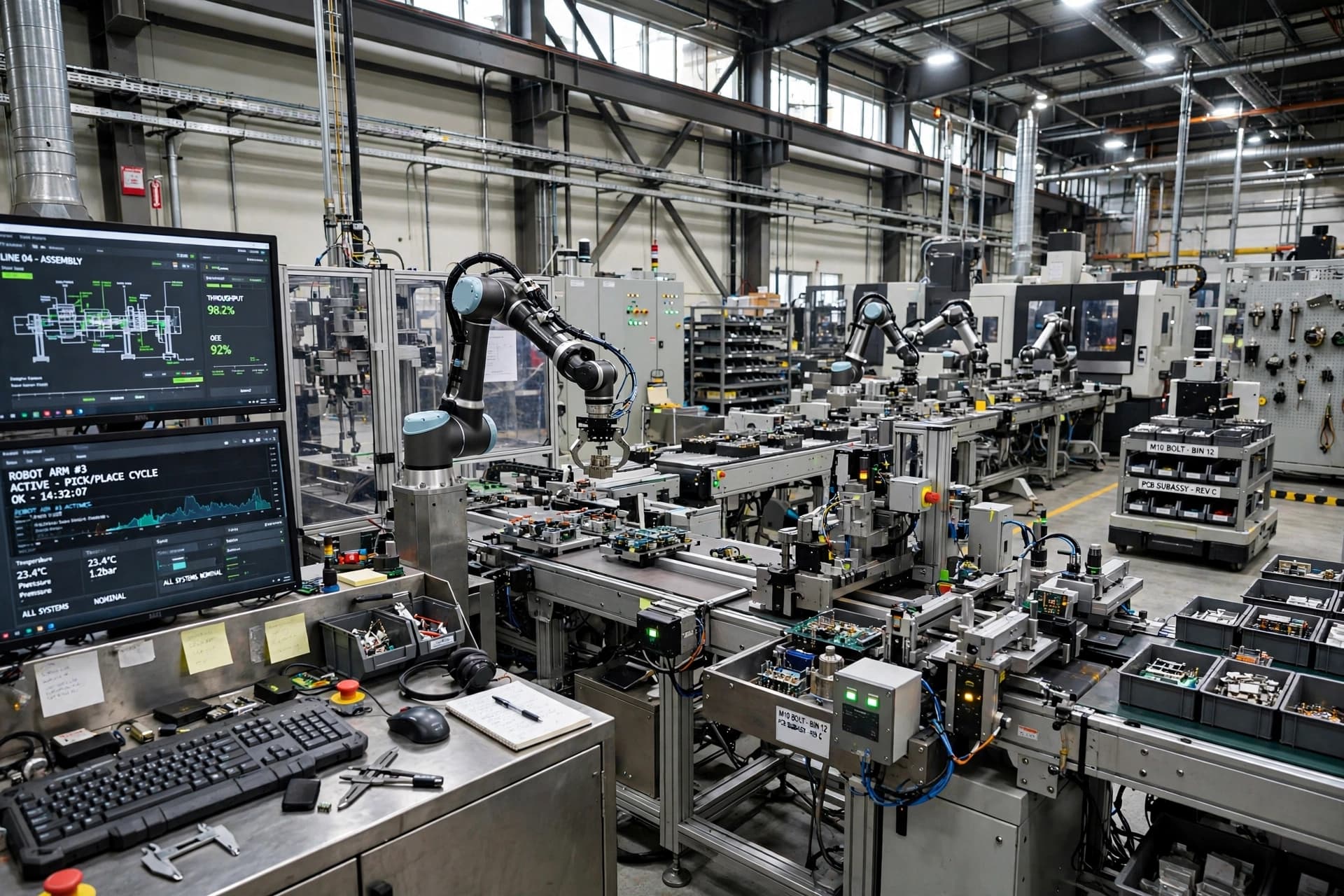
This image was generated using artificial intelligence for illustrative purposes only and does not depict real facilities or locations.
Sources
Reuters Associated Press Bloomberg The Wall Street Journal Financial Times
Published by Banx Network. This article is part of the Banx decentralized media programme, powered by the BXE token on the XRP Ledger.