In the realm of innovation, change is often the quietest force that drives the most profound transformations. When the news broke that Tesla would be cutting its car models in favor of a greater emphasis on robotics and artificial intelligence (AI), it felt as though the winds of the future were blowing with unprecedented force. Elon Musk, ever the architect of bold ambitions, is steering Tesla into a new era where machines don’t just build the cars—they design and, eventually, drive them too. What does it mean, though, when a company famous for revolutionizing the automobile industry begins to narrow its focus and retreat from the very model diversity that once marked its success? Perhaps, it is not just the cars that are changing; it’s the very nature of how we think about transportation—and the roles that humans and machines will play in shaping it.
Tesla, once heralded for its groundbreaking electric vehicles and an expanding line of models, has made a strategic decision to cut down on its vehicle offerings. This move, while surprising to some, signals a profound shift in the company’s direction, one that places robotics and artificial intelligence at the forefront of its future. The reduction in car models is not just a logistical choice—it is a fundamental rethinking of how Tesla intends to approach the future of transportation.
The move aligns with Musk’s long-standing vision of creating not just vehicles, but autonomous, self-driving machines capable of learning and adapting in real-time. Rather than producing a wide array of car models to satisfy every possible consumer need, Tesla now seems intent on honing in on the core technology that will define the next generation of driving: AI-powered automation. If the dream of a fully autonomous future is to become a reality, then AI and robotics must be the backbone of Tesla’s strategy. To achieve this, the company has chosen to simplify its offerings, focusing on fewer models that are equipped with advanced AI capabilities and autonomous features.
In many ways, this move represents a pivot toward the future of production, as much as it does toward the future of product. Tesla has long been at the forefront of integrating cutting-edge technologies into its cars. Now, however, the company is taking it a step further by redefining how those cars are made. The shift to automation in the manufacturing process is expected to reduce costs, improve efficiency, and open the door to new levels of precision and scalability. With robots taking on more complex tasks, Tesla is positioning itself as the leader in both AI and robotics, hoping to unlock efficiencies and innovations that will ripple through the entire automotive industry.
Yet, as with any major shift, there are challenges ahead. Tesla's decision to focus more on AI and robotics signals a reduction in the diversity of their product lineup, which has been a key selling point for many consumers. By narrowing its offerings, the company risks alienating some customers who may have been drawn to Tesla’s wide range of options—from the affordable Model 3 to the luxury Model S. Critics argue that Tesla’s focus on robots and AI could make its vehicles seem less accessible, both in terms of price and complexity. In this pursuit of the future, will Tesla lose sight of the immediate needs of consumers?
However, Tesla’s gamble could pay off in ways we’re only beginning to understand. The promise of self-driving vehicles—capable of navigating traffic, making decisions, and evolving through machine learning—offers a glimpse into a world where human drivers are no longer the central players. Tesla is betting that as its AI system becomes more refined, the benefits will far outweigh the inconveniences of fewer models. In the long term, the car market may shift from one focused on model variety to one focused on technological superiority. The future could see fewer car choices, but those choices would be designed to offer something more: a smarter, safer, and more efficient way to get from point A to point B.
As the automotive world watches closely, Tesla’s move also raises larger questions about the industry as a whole. Is this the dawn of an era where AI and robotics reshape the very nature of car manufacturing and ownership? Will other car manufacturers follow suit, cutting down on model diversity and focusing instead on automation and AI? For Tesla, this shift is not just about reducing costs or streamlining production—it is about positioning itself as the leader in an increasingly automated, AI-driven world.
Tesla’s decision to cut car models in favor of doubling down on robotics and AI signals a bold reimagining of the future of transportation. By simplifying its offerings, the company is betting on the future of autonomous driving and AI-powered manufacturing to lead it to new heights. While this may seem like a narrowing of vision, it could, in fact, be the widening of a new horizon—one where the very fabric of car production and driving itself is transformed by the hands of machines. As the world of transportation evolves, the question remains: will Tesla’s gamble redefine the industry, or will it find itself as an innovator left in the dust of its own ambition?
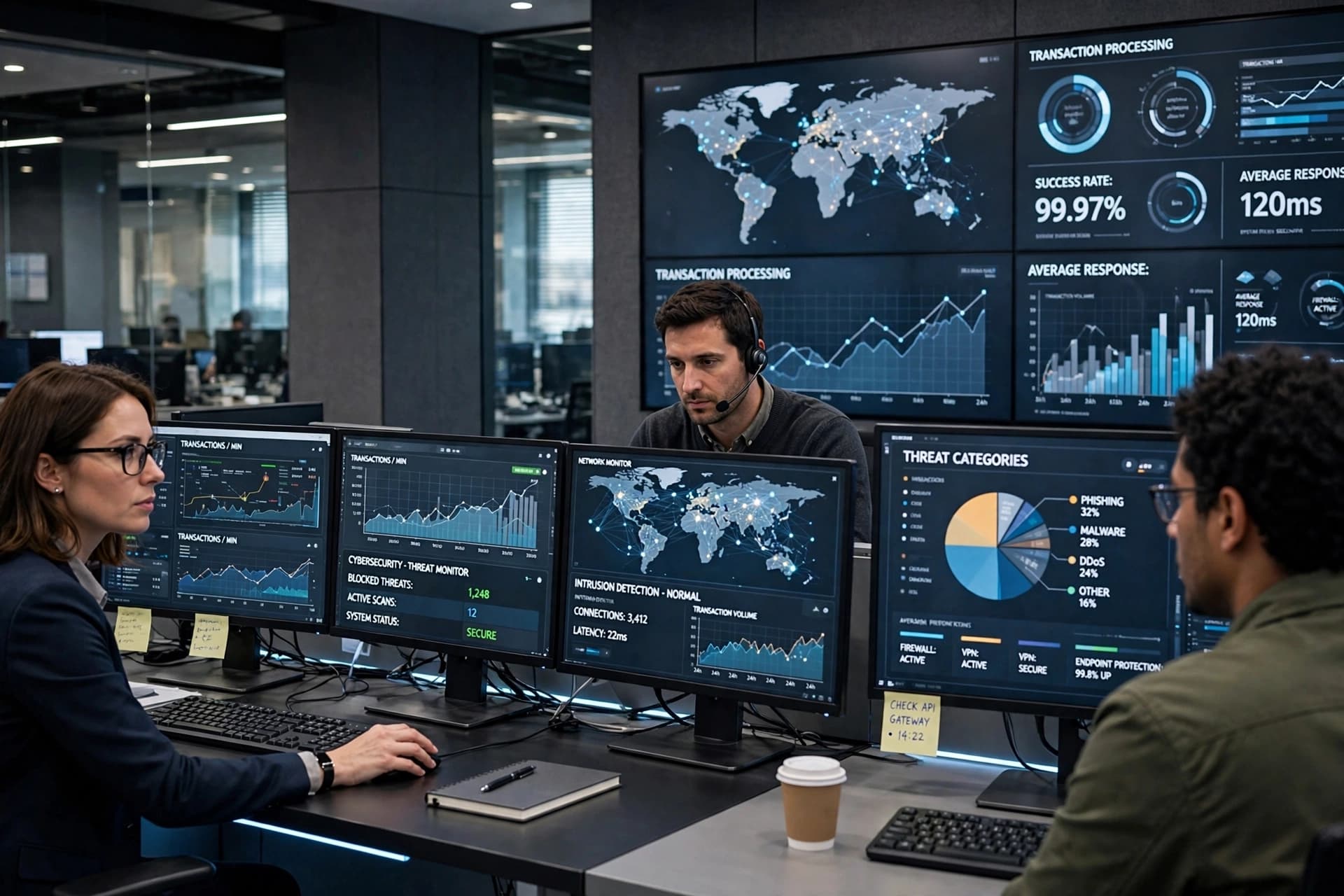
AI Image Disclaimer “Images in this article are AI-generated illustrations, meant for concept only.”
Sources BBC News Reuters The Guardian Bloomberg The Financial Times
Published by Banx Network. This article is part of the Banx decentralized media programme, powered by the BXE token on the XRP Ledger.